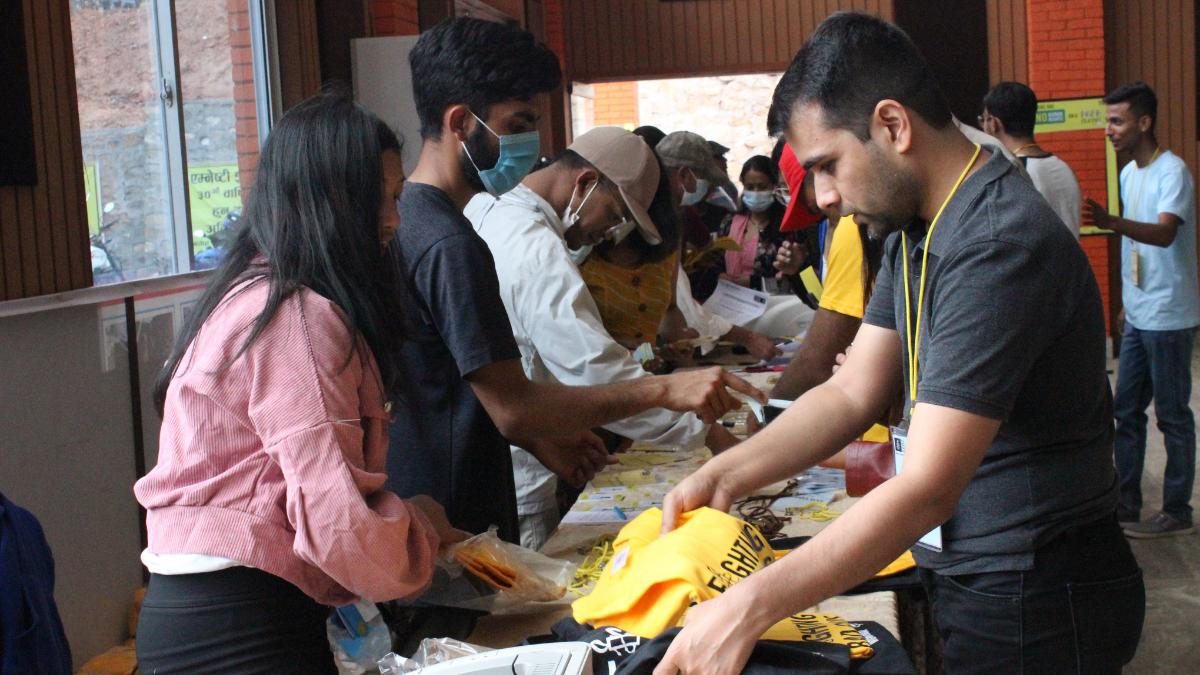
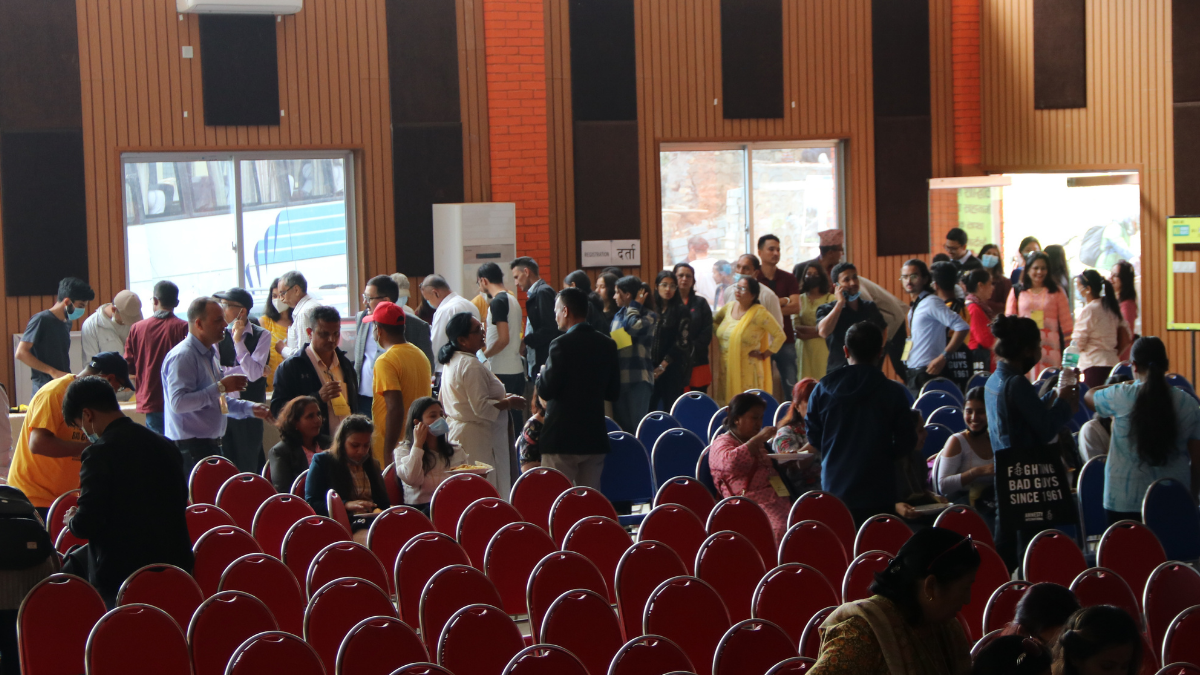
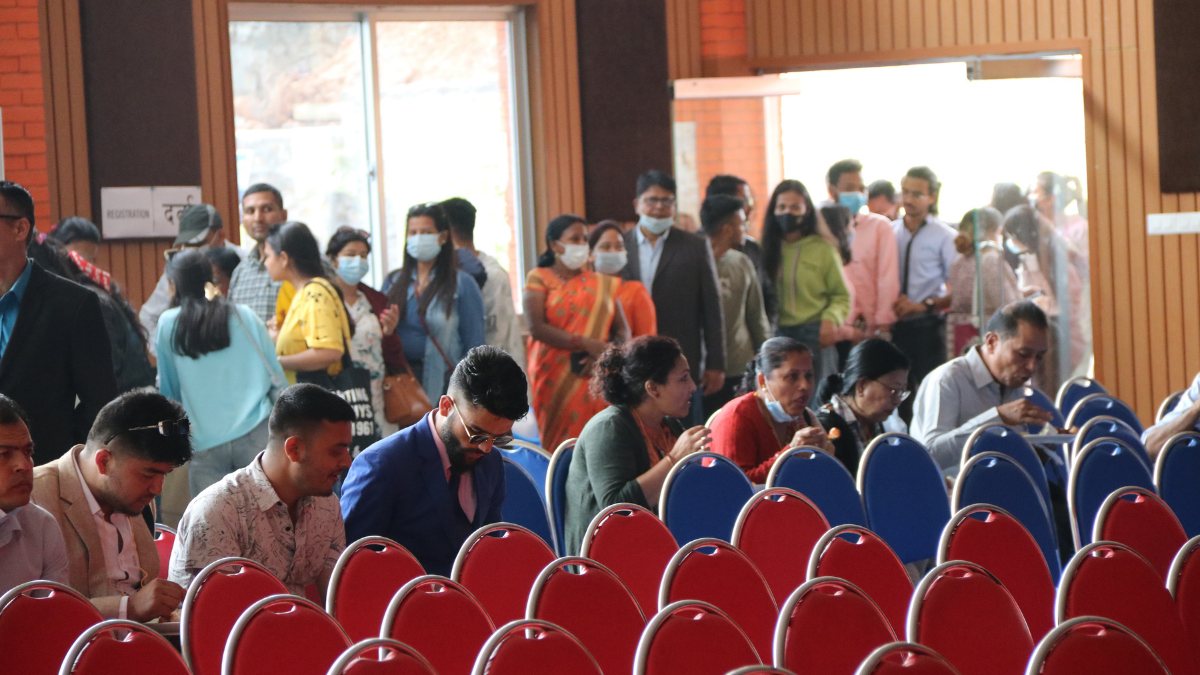
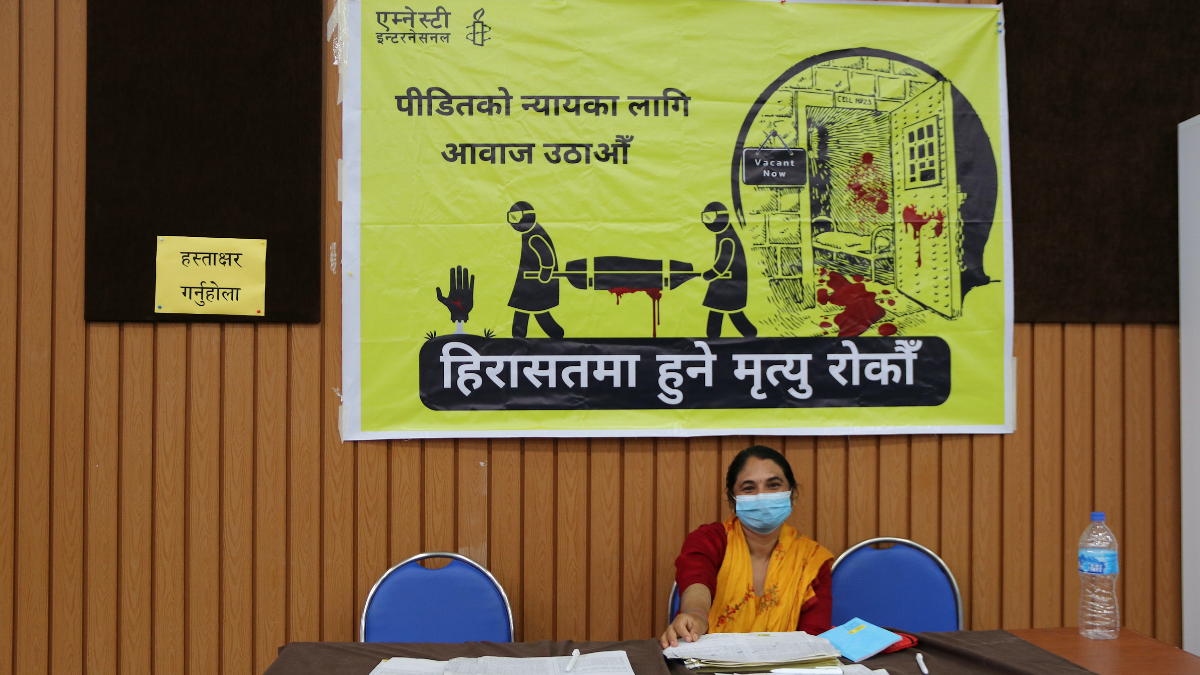
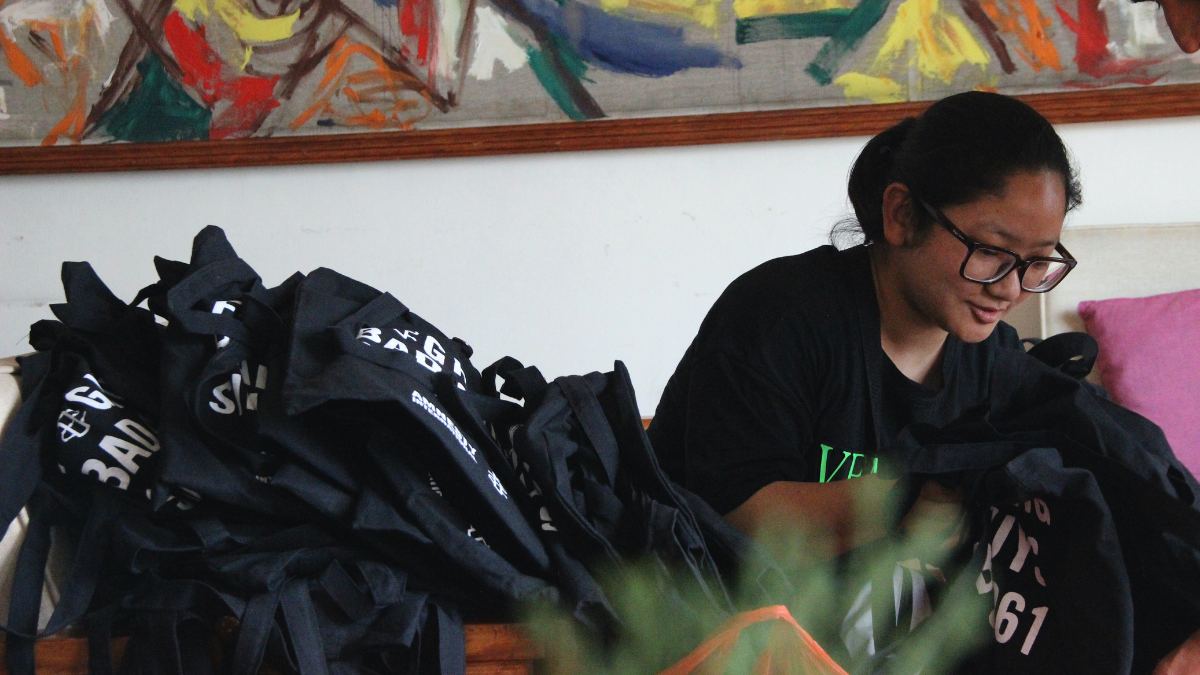
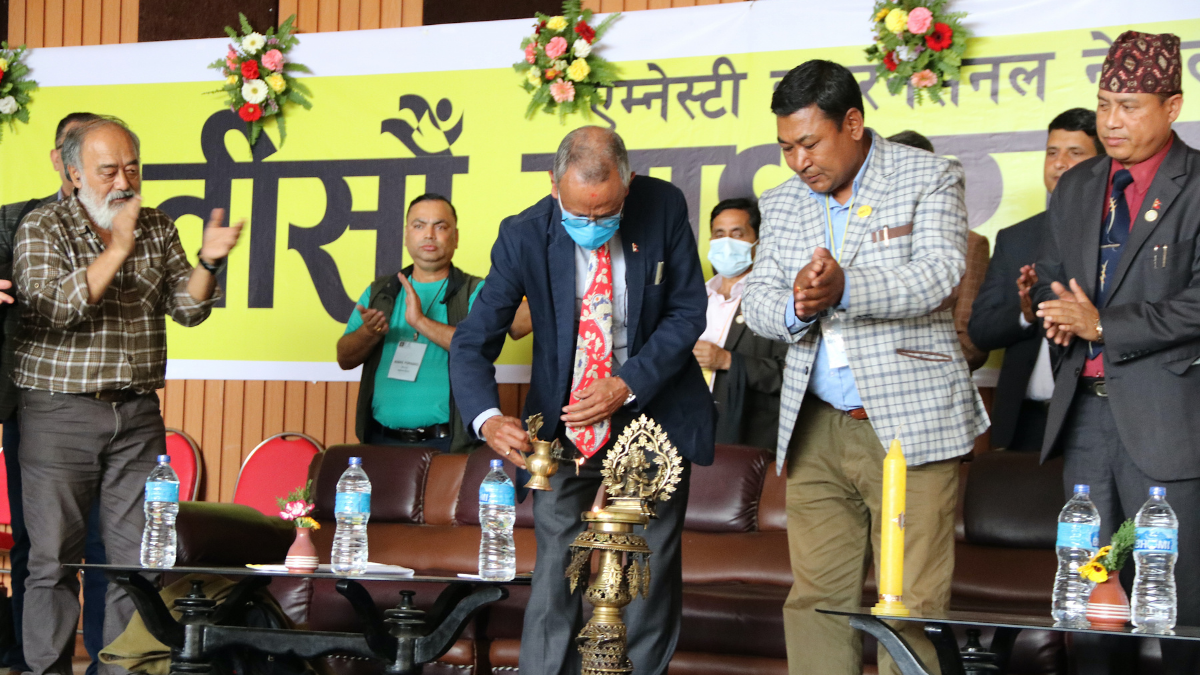
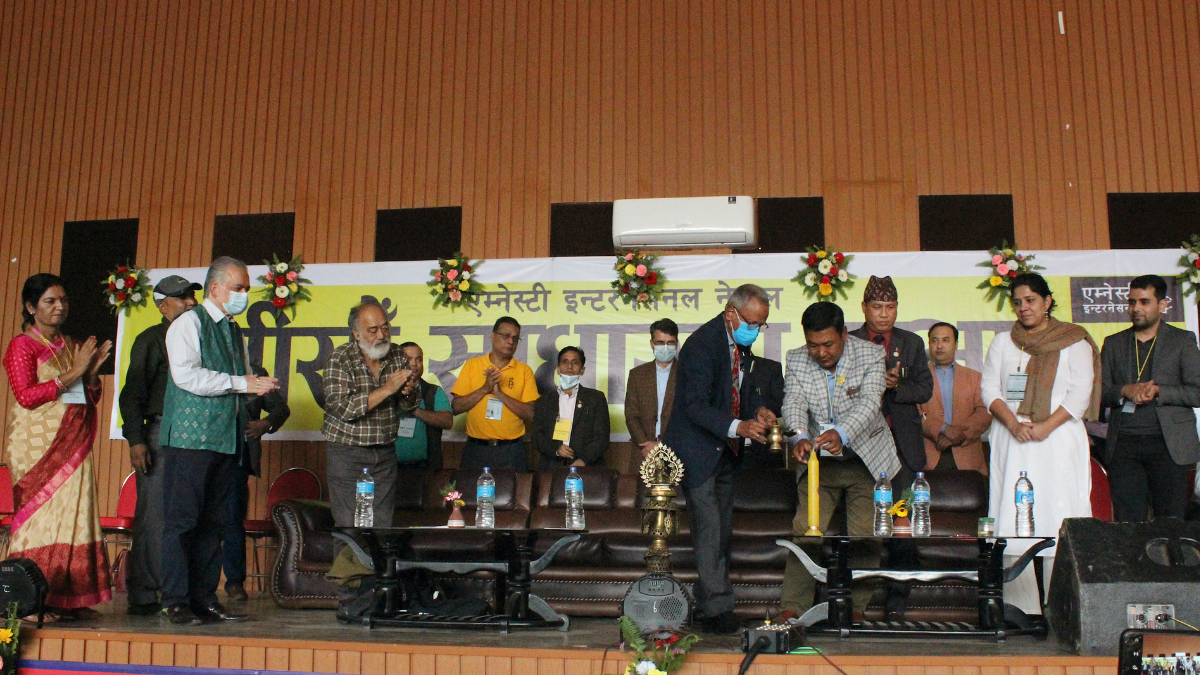
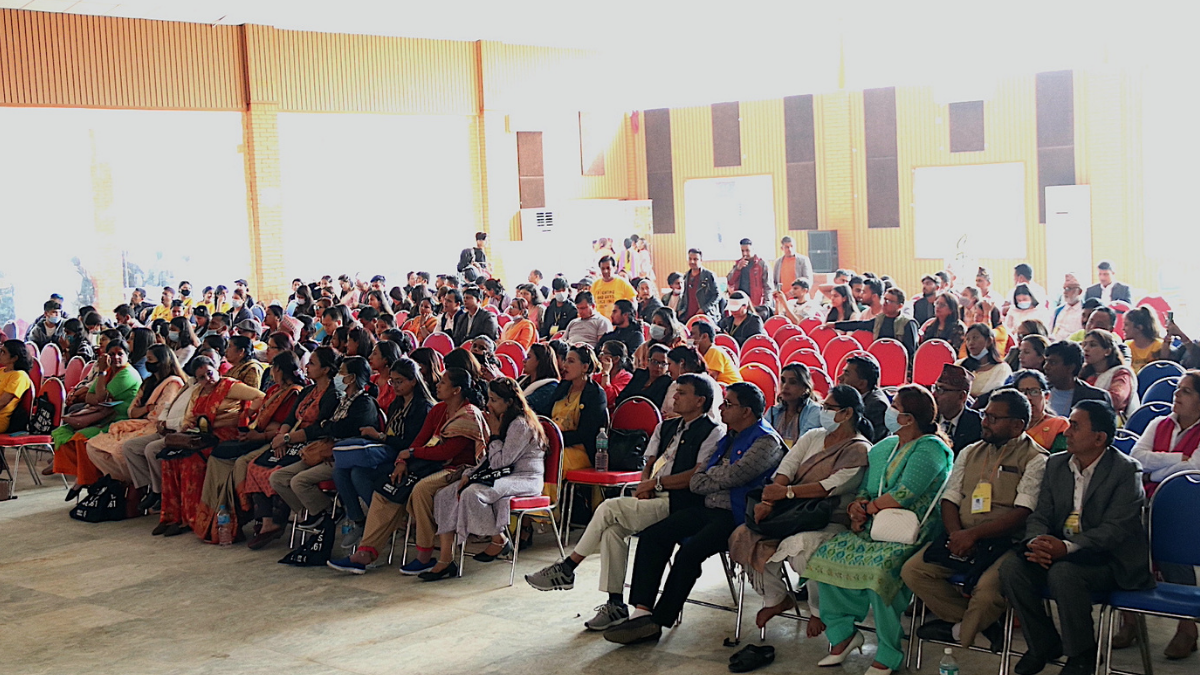
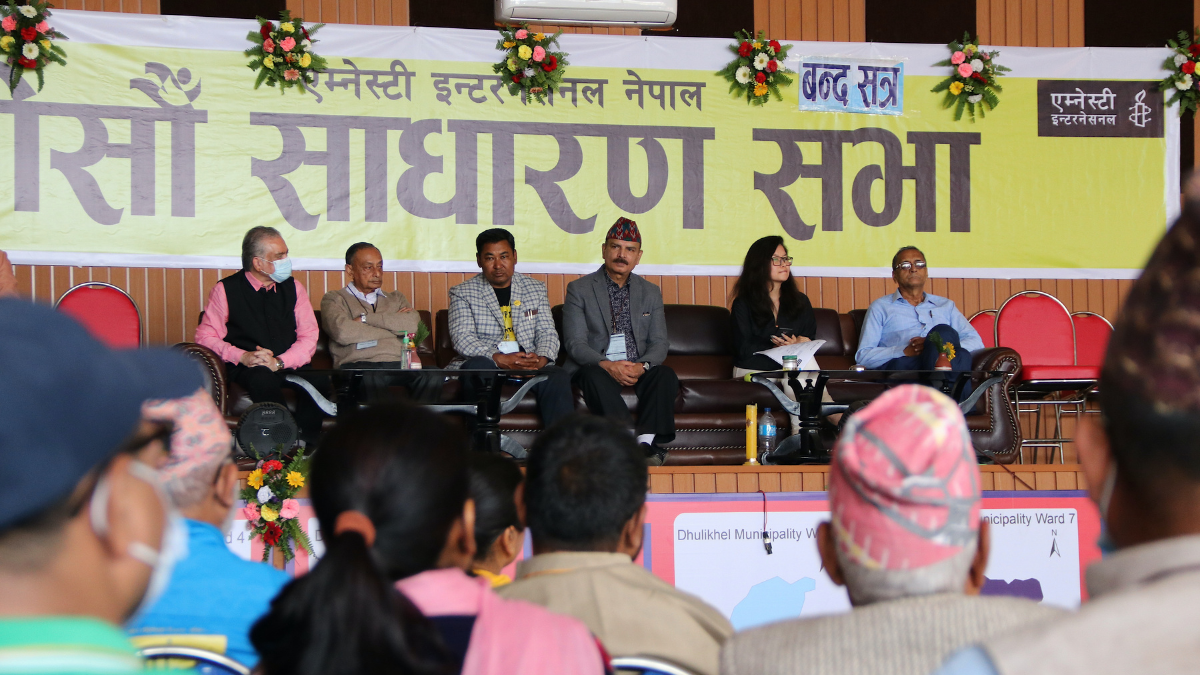
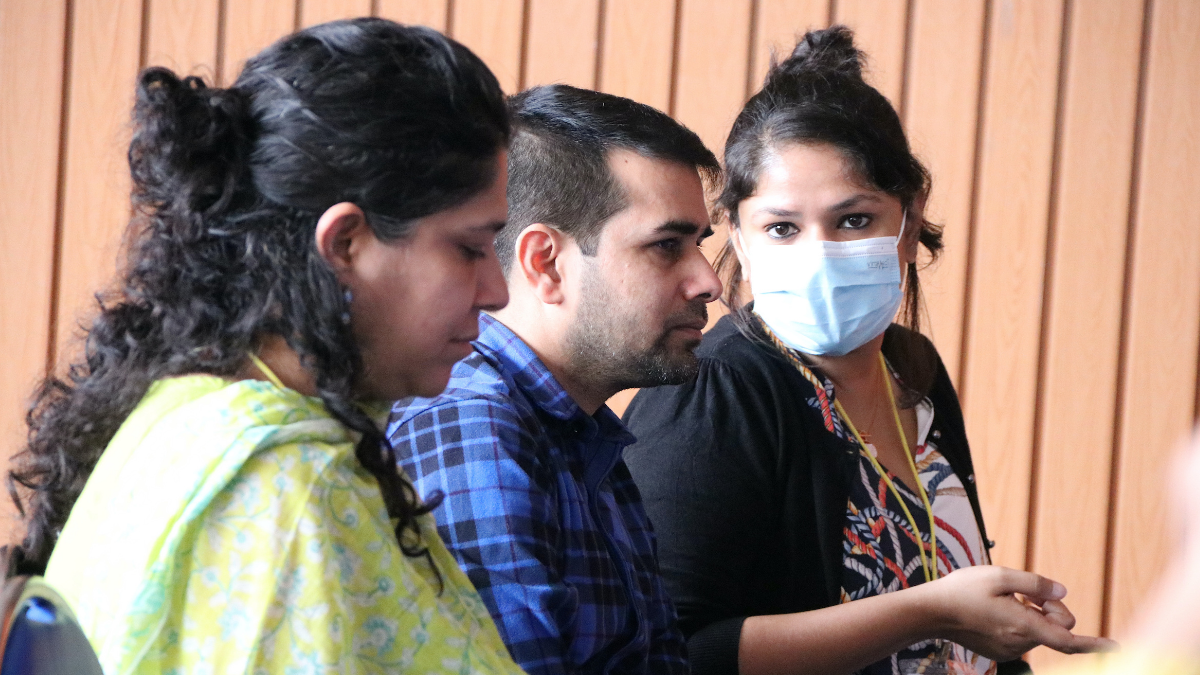
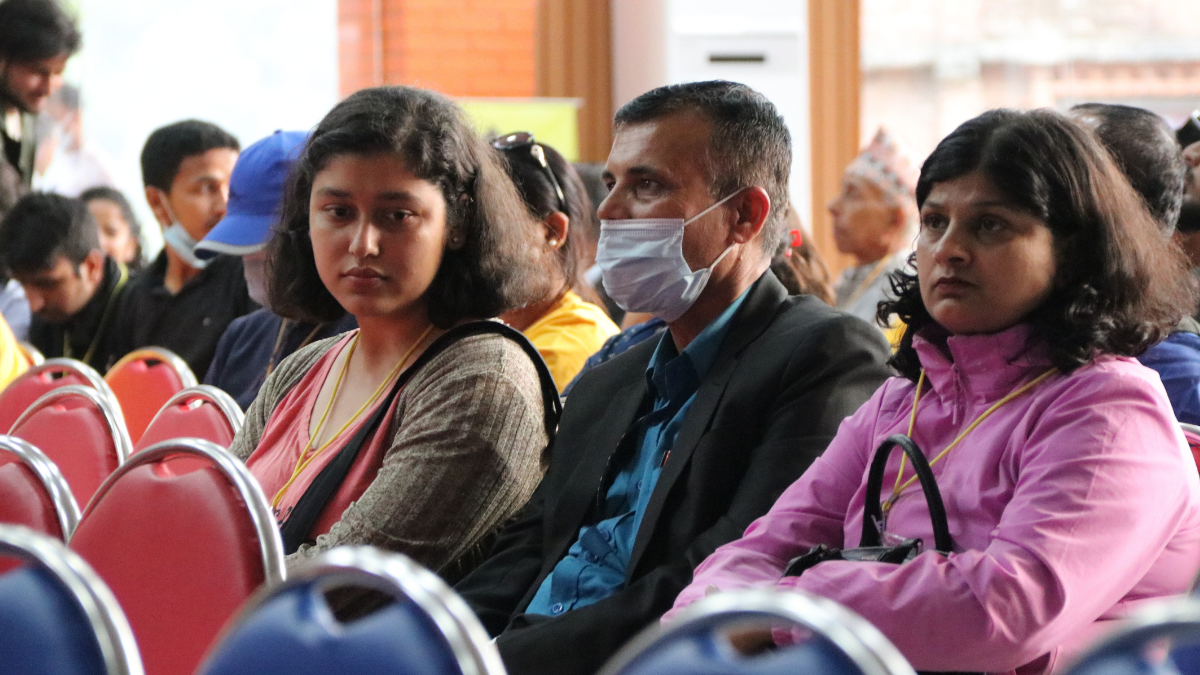
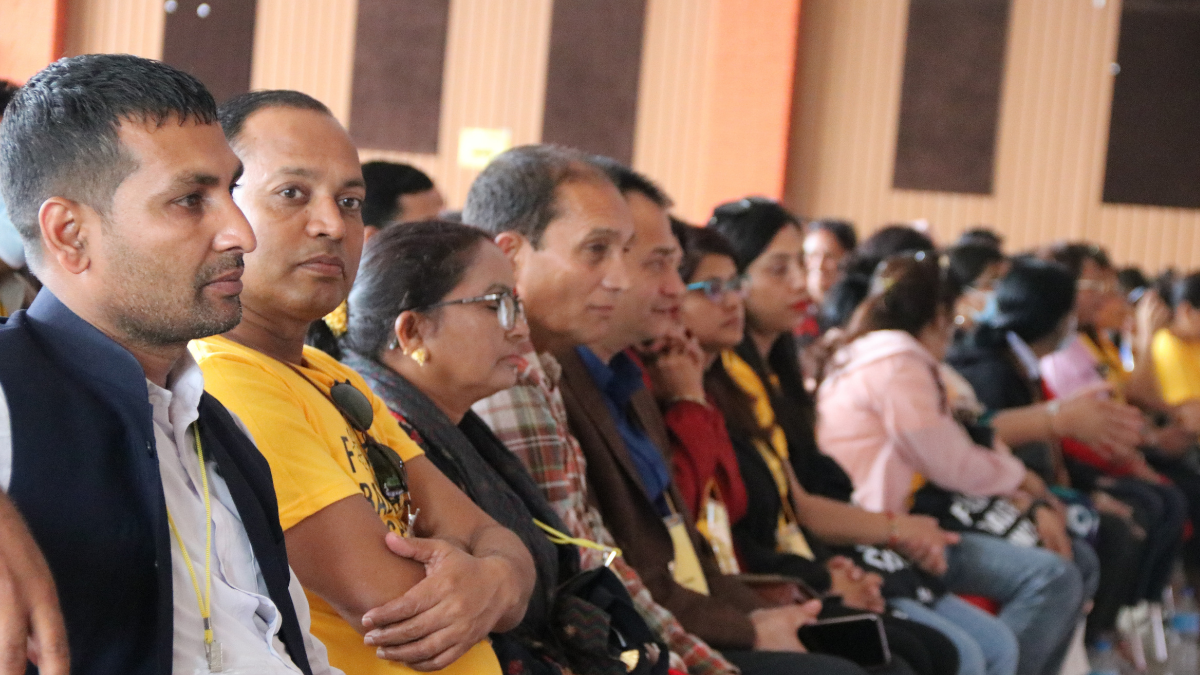
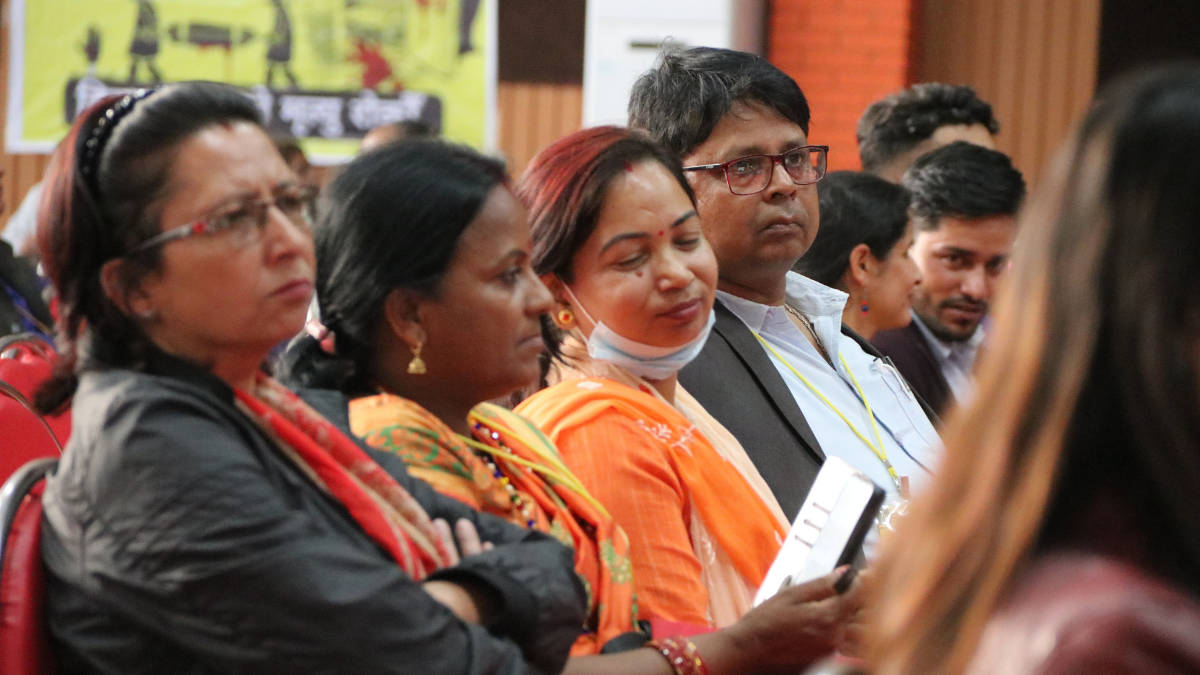
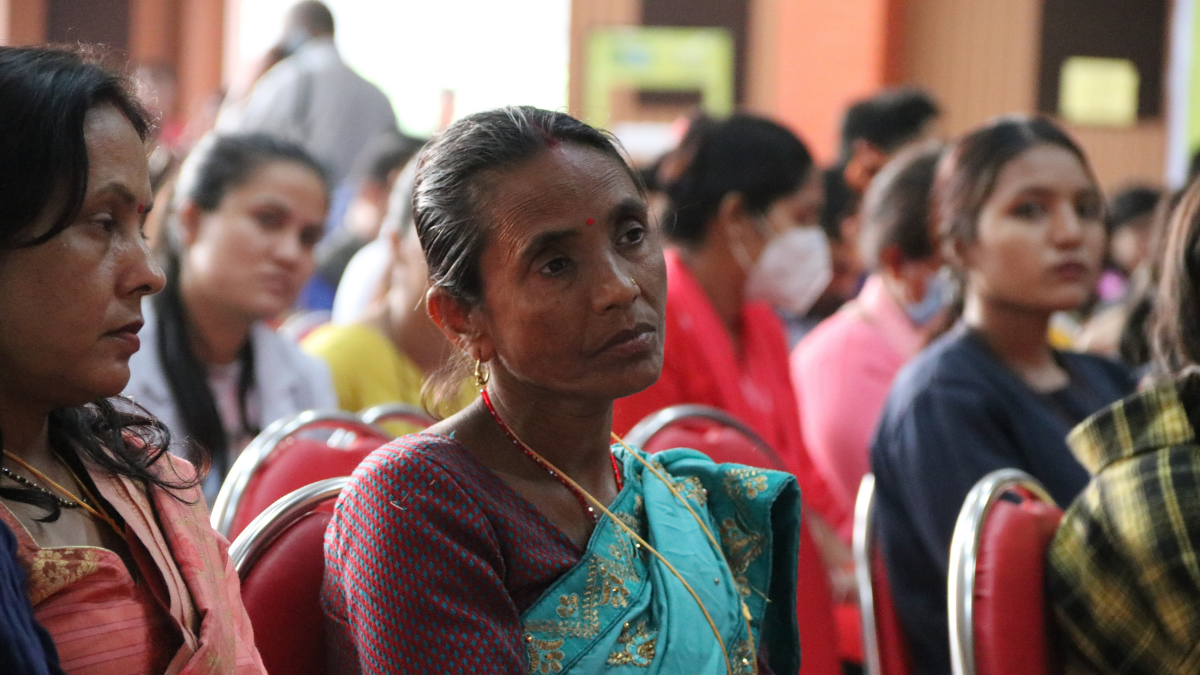
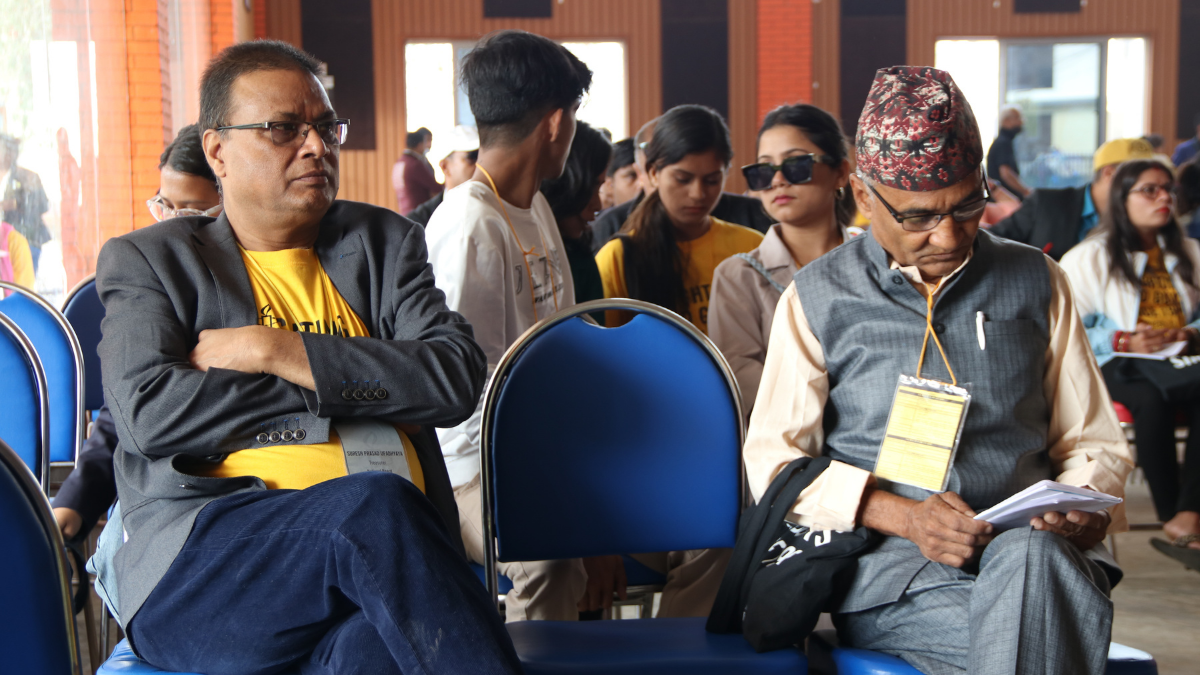
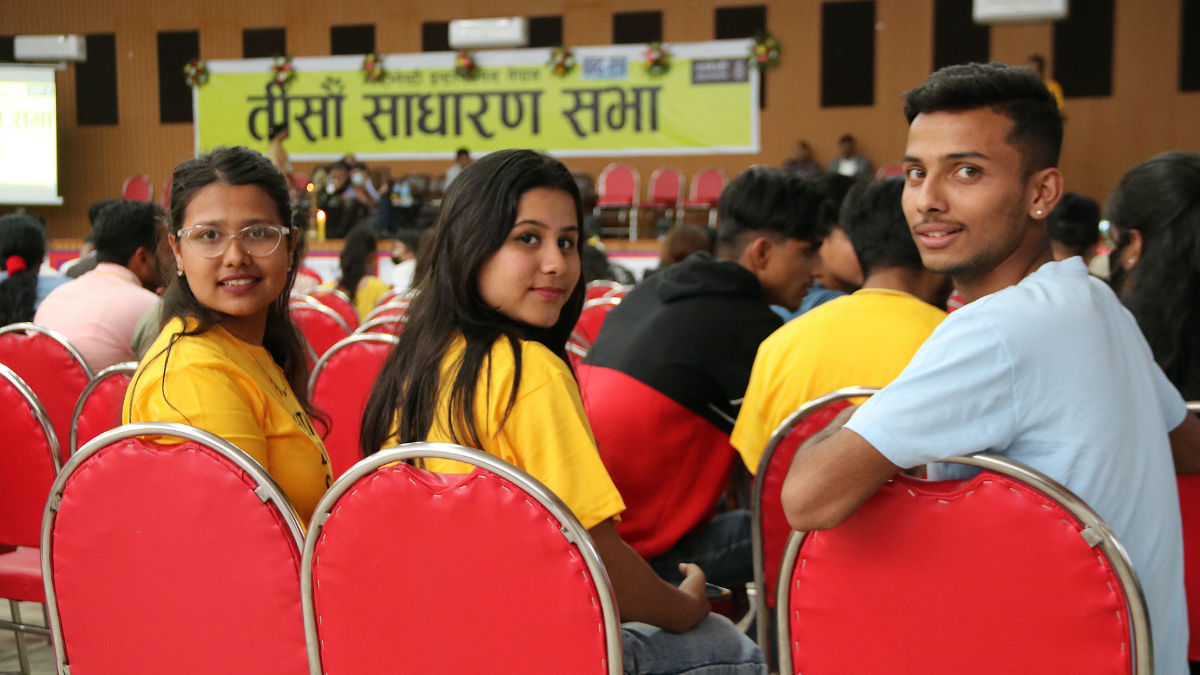
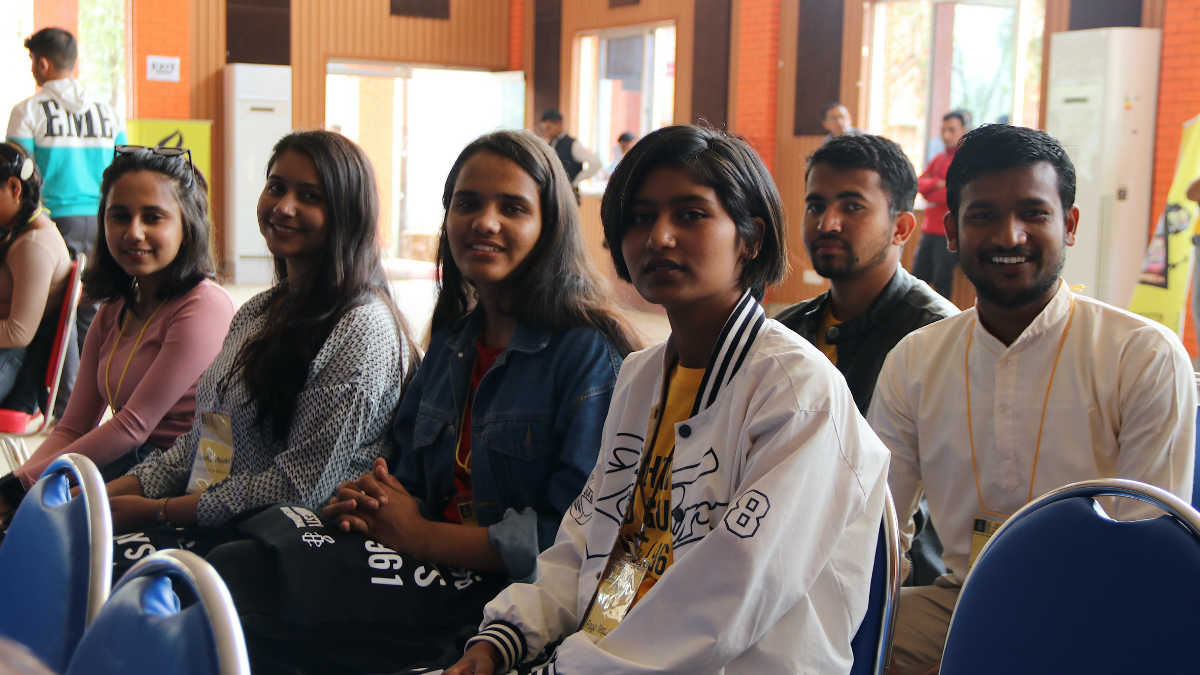
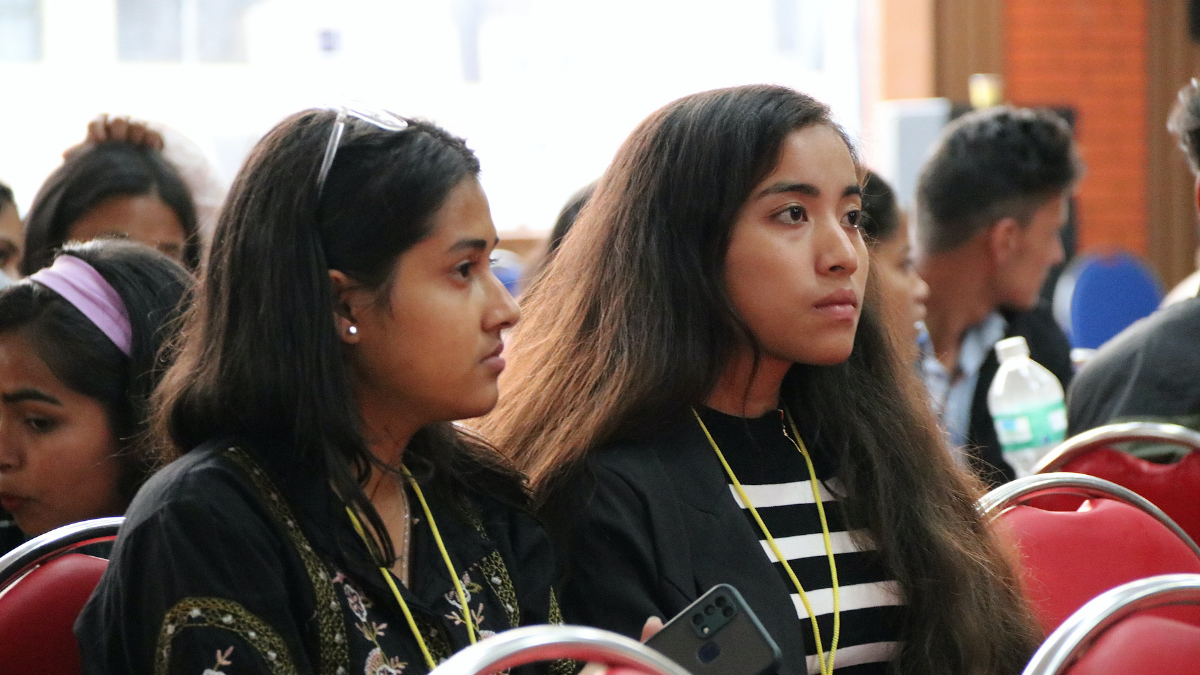
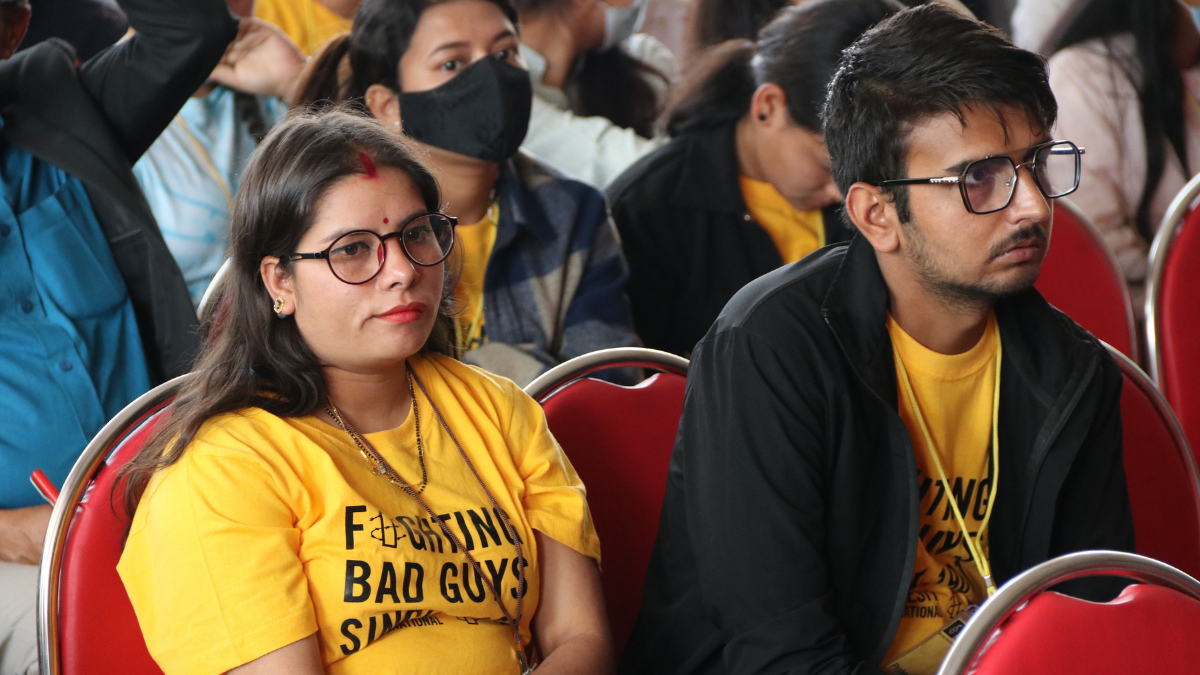
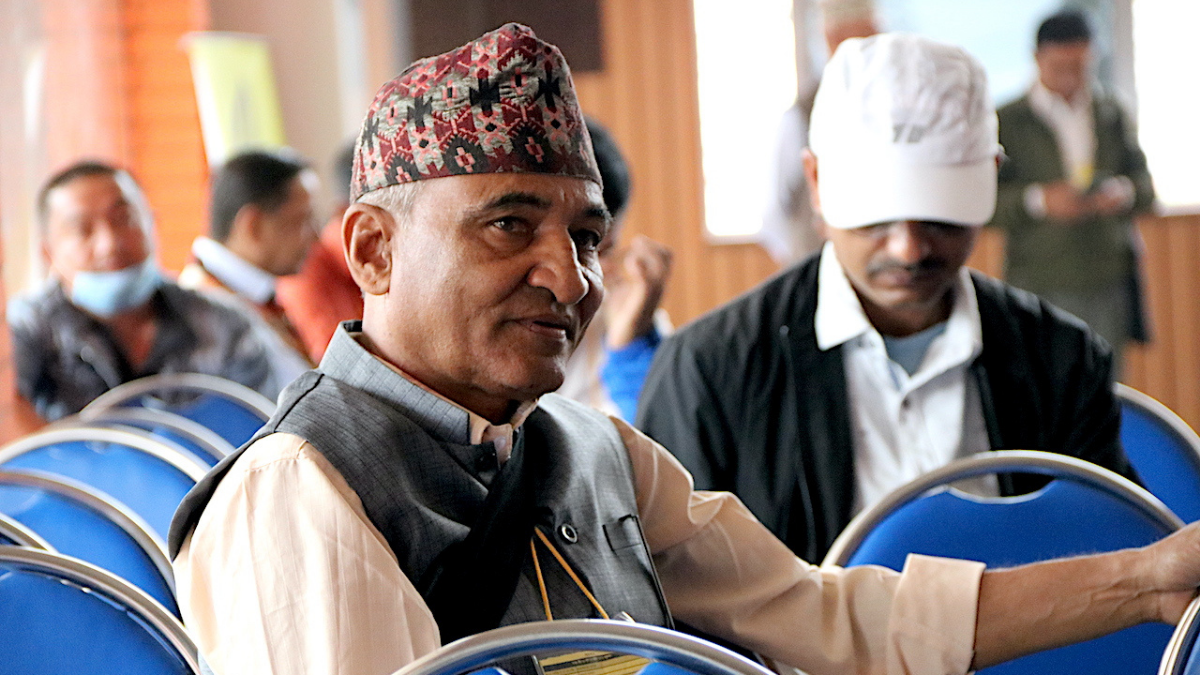
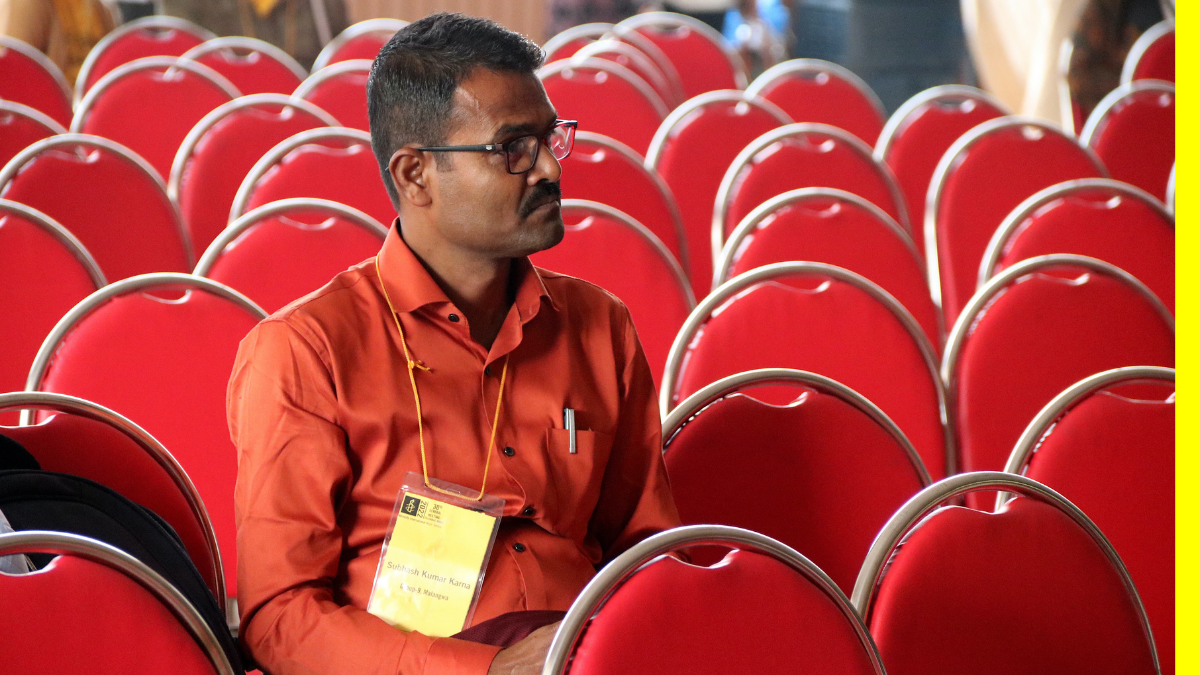
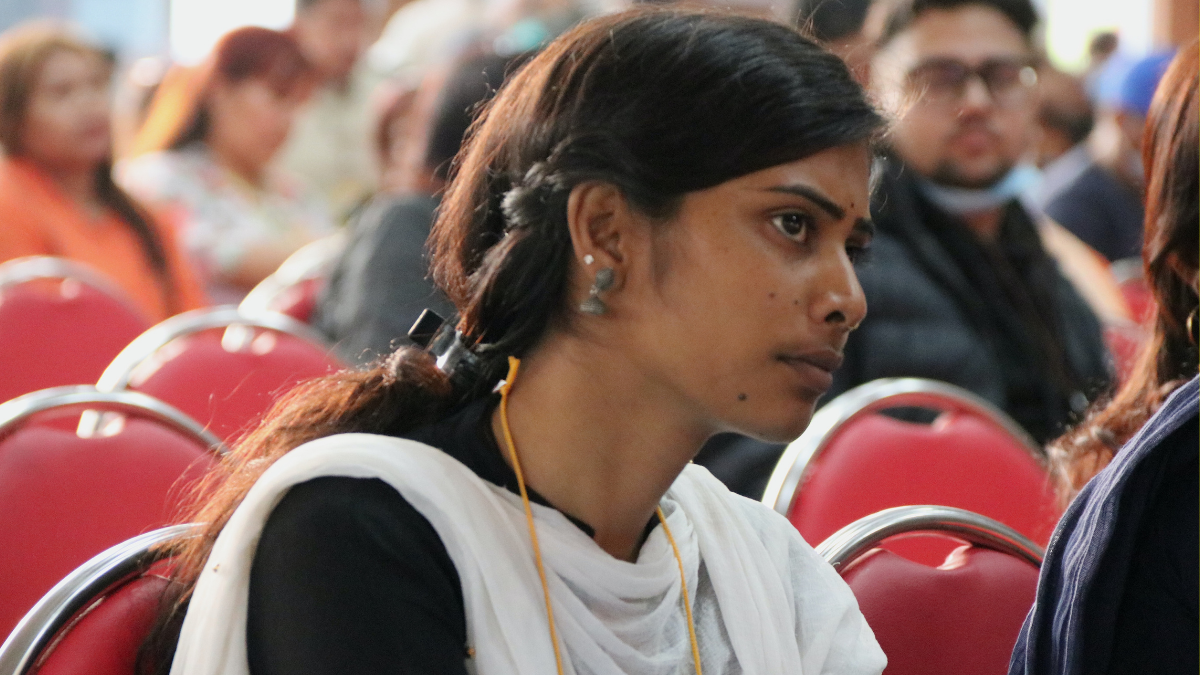
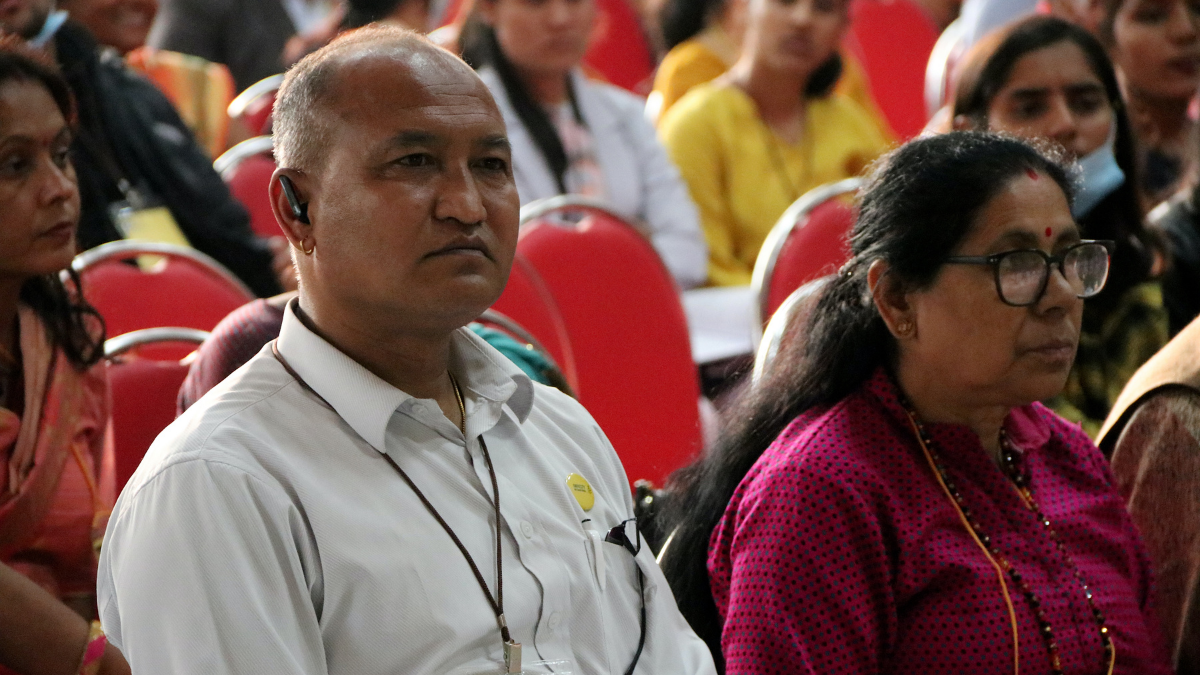
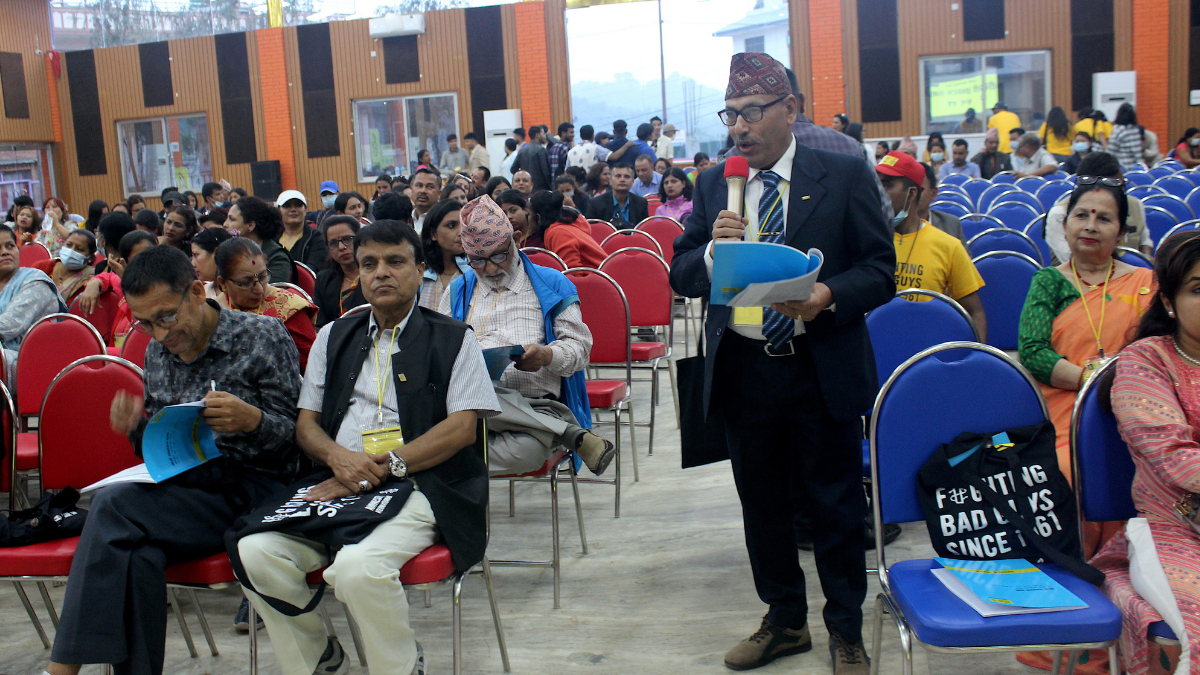
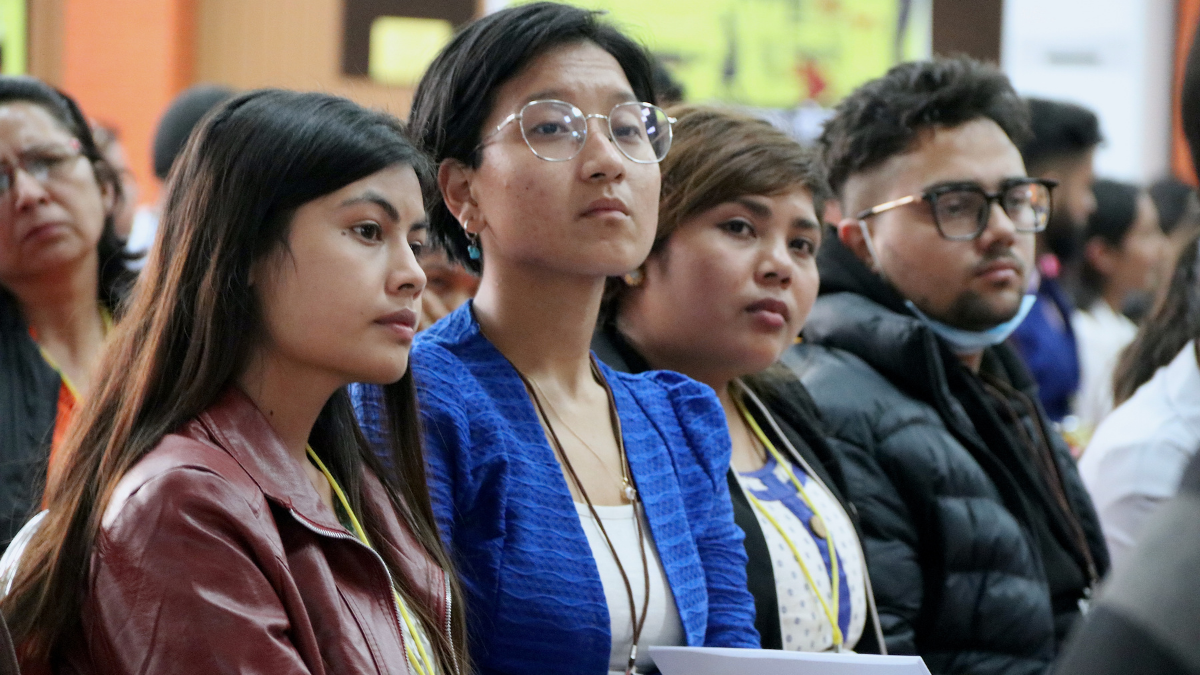
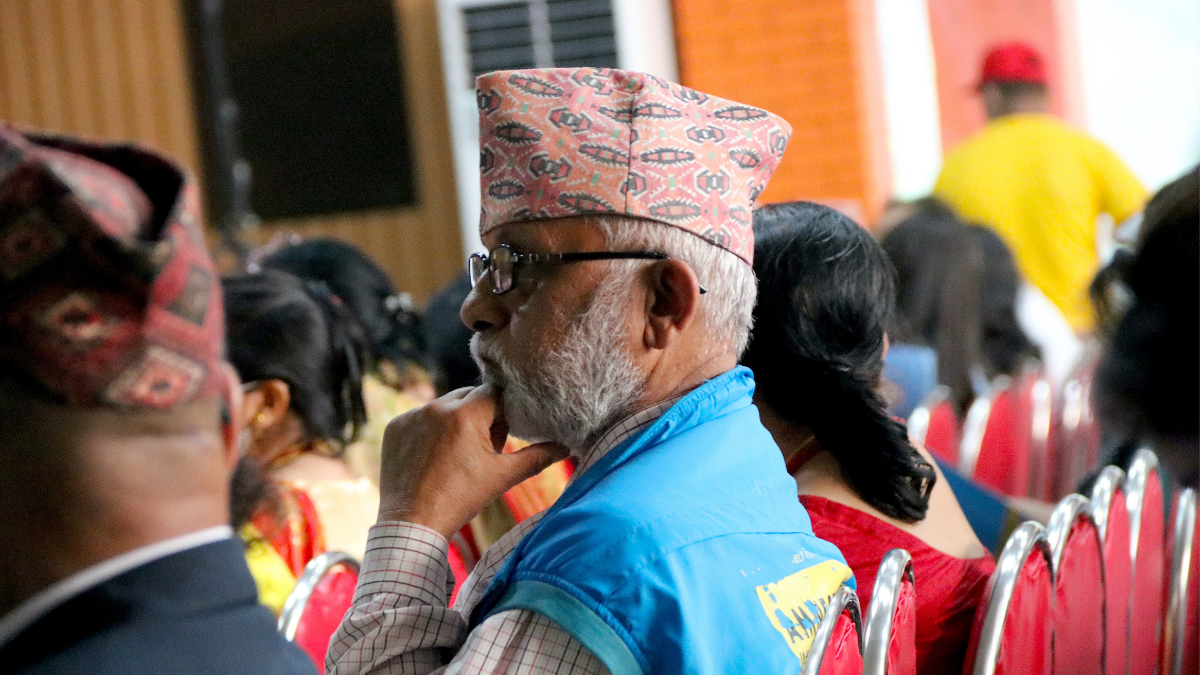
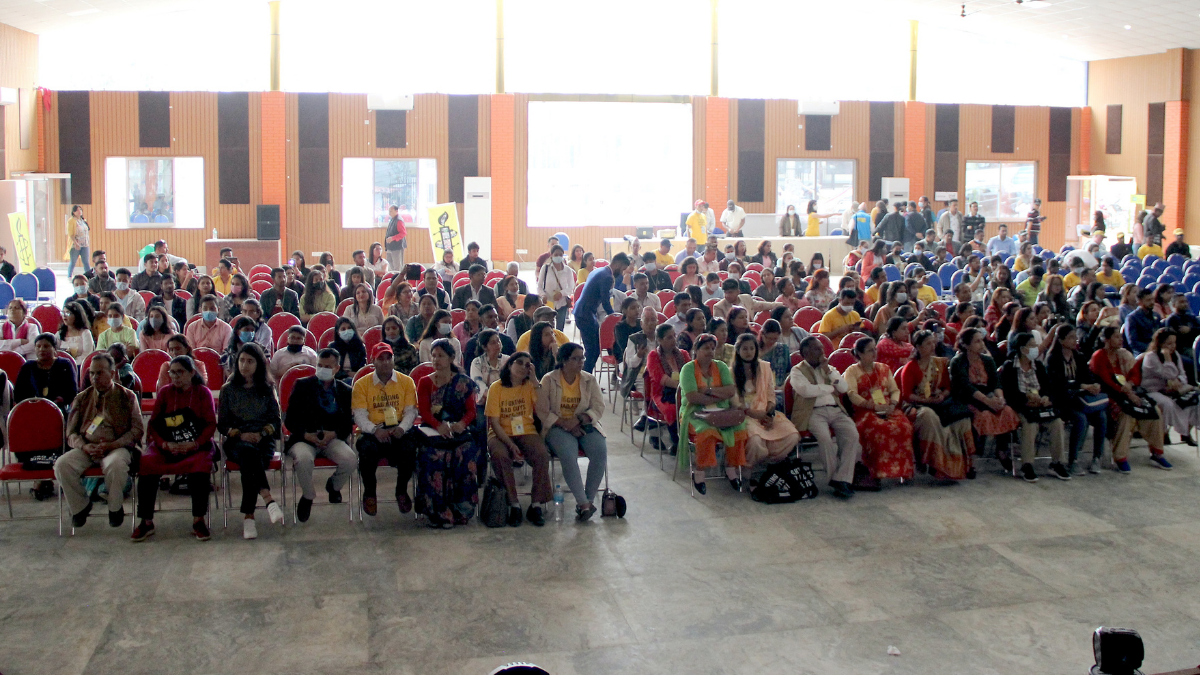
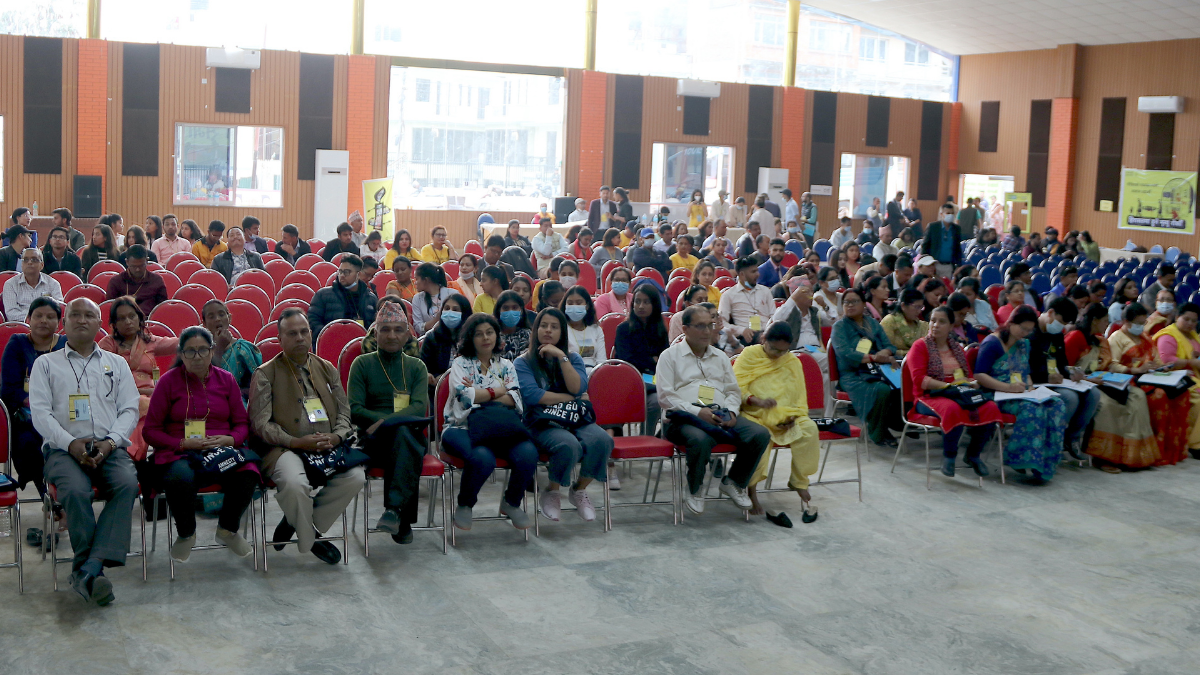
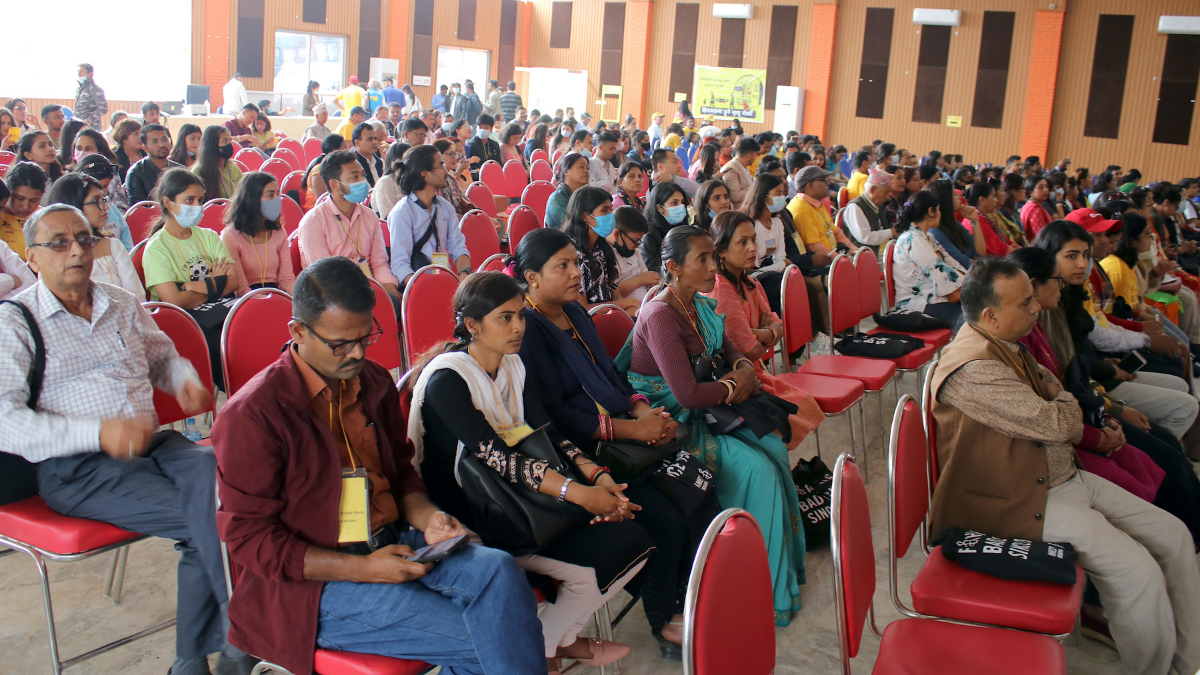
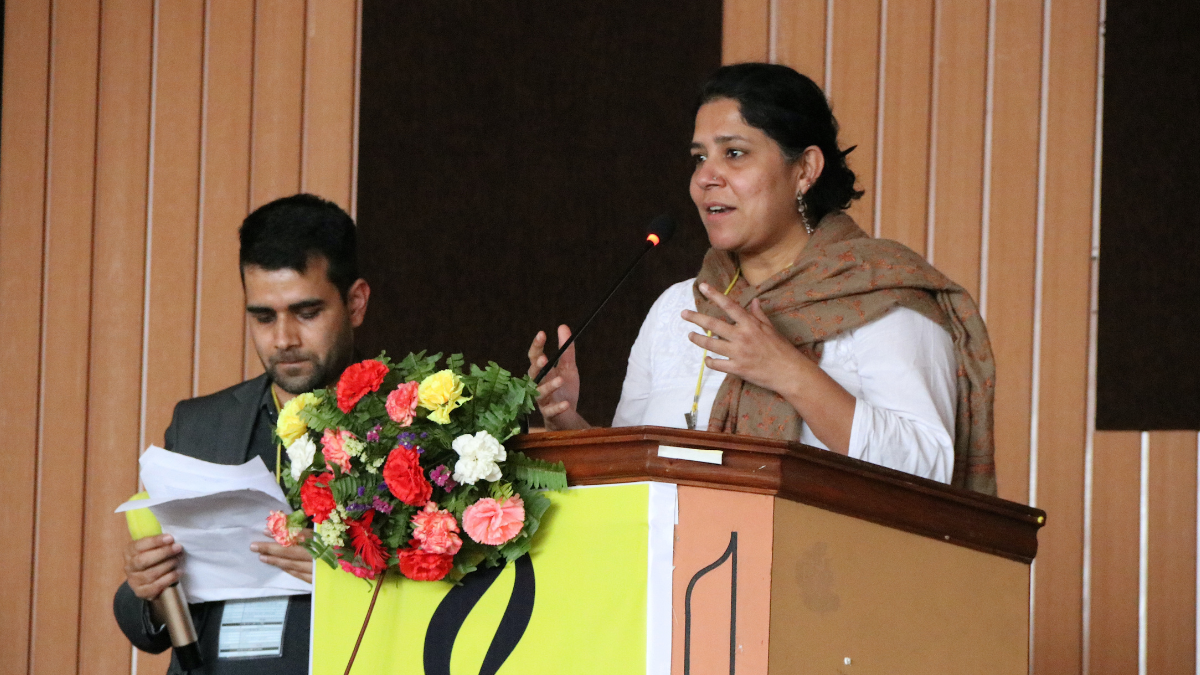
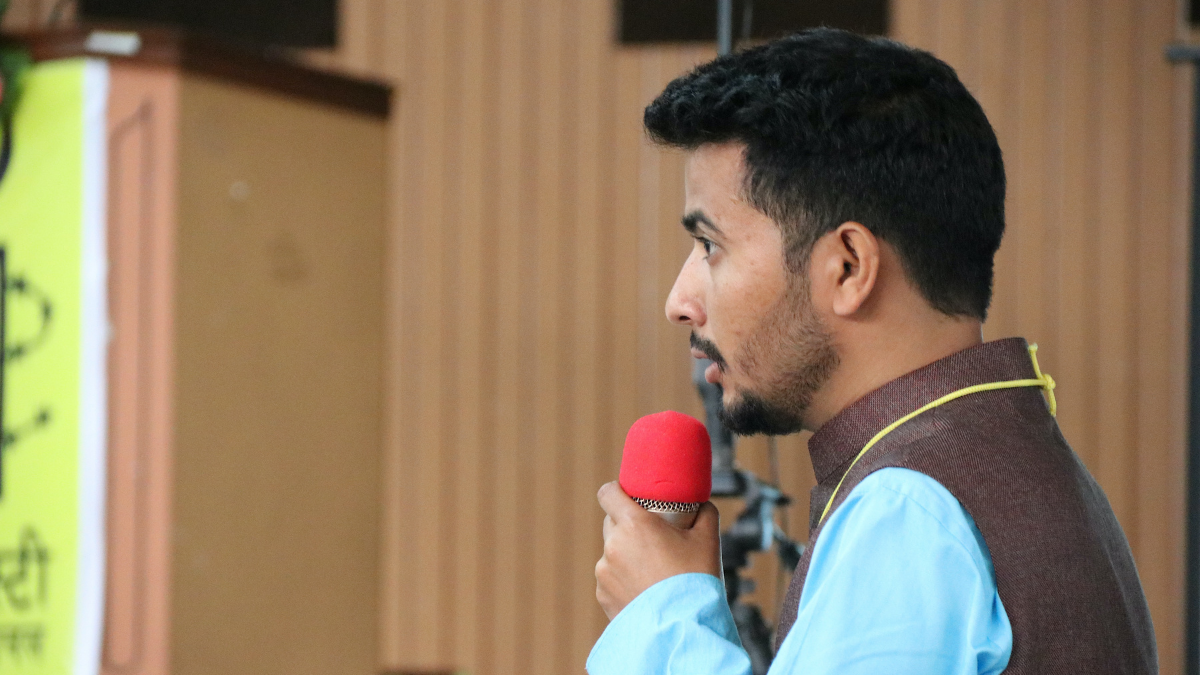
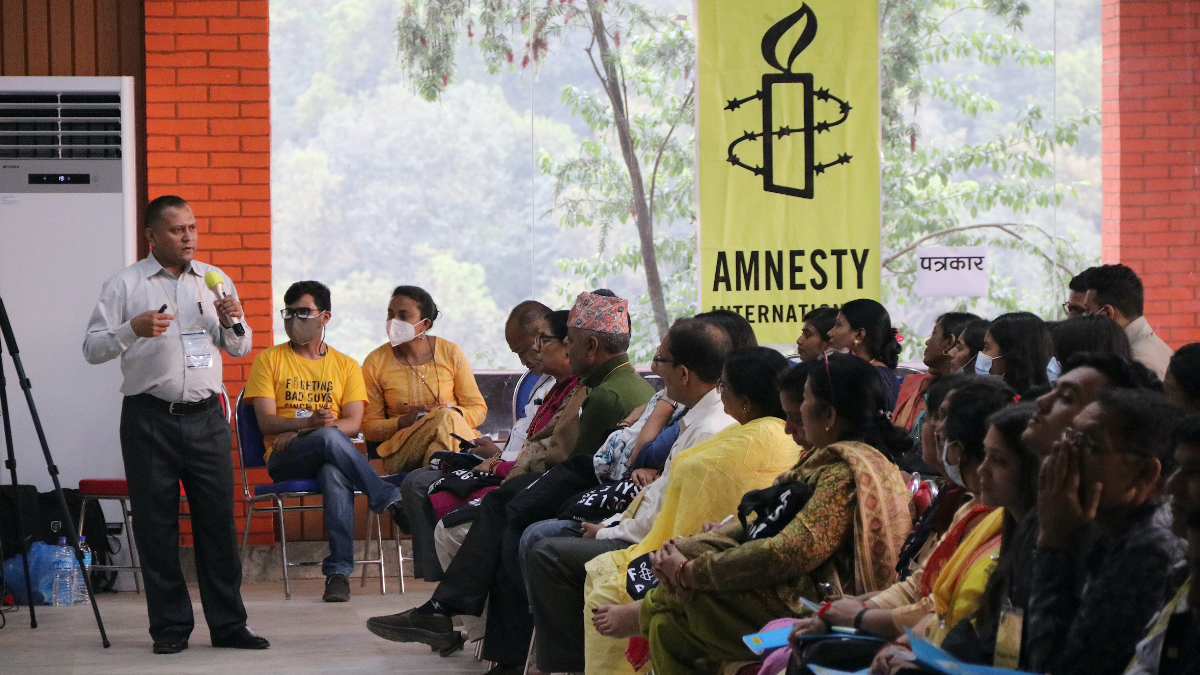
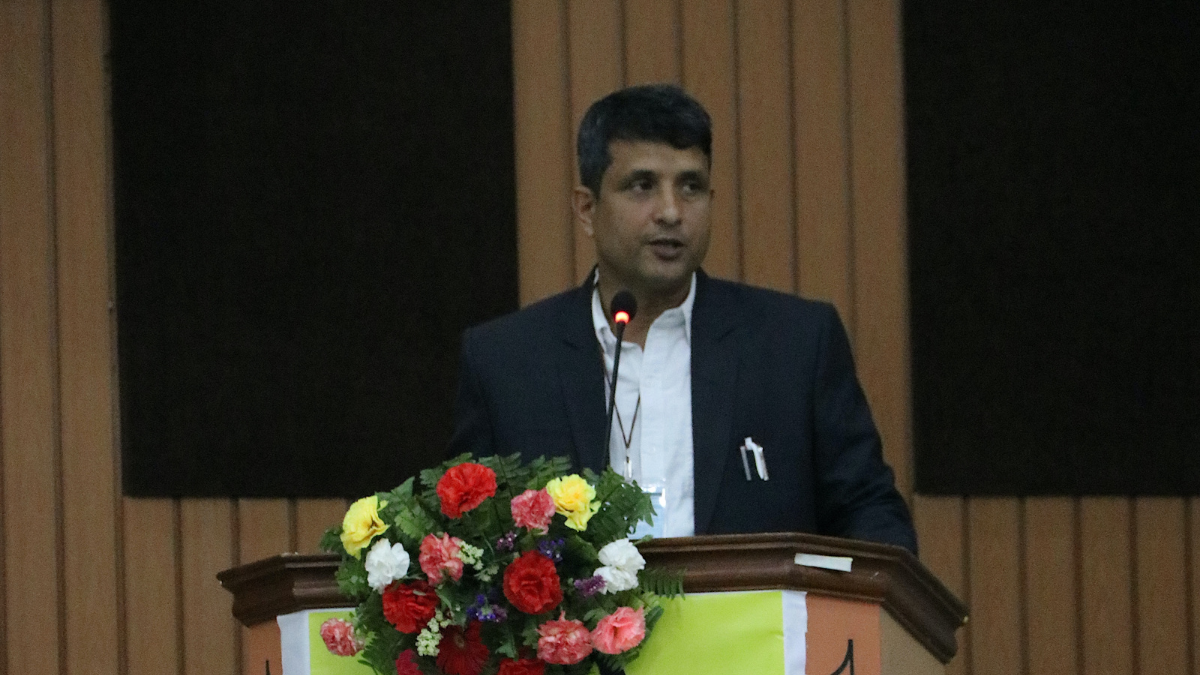
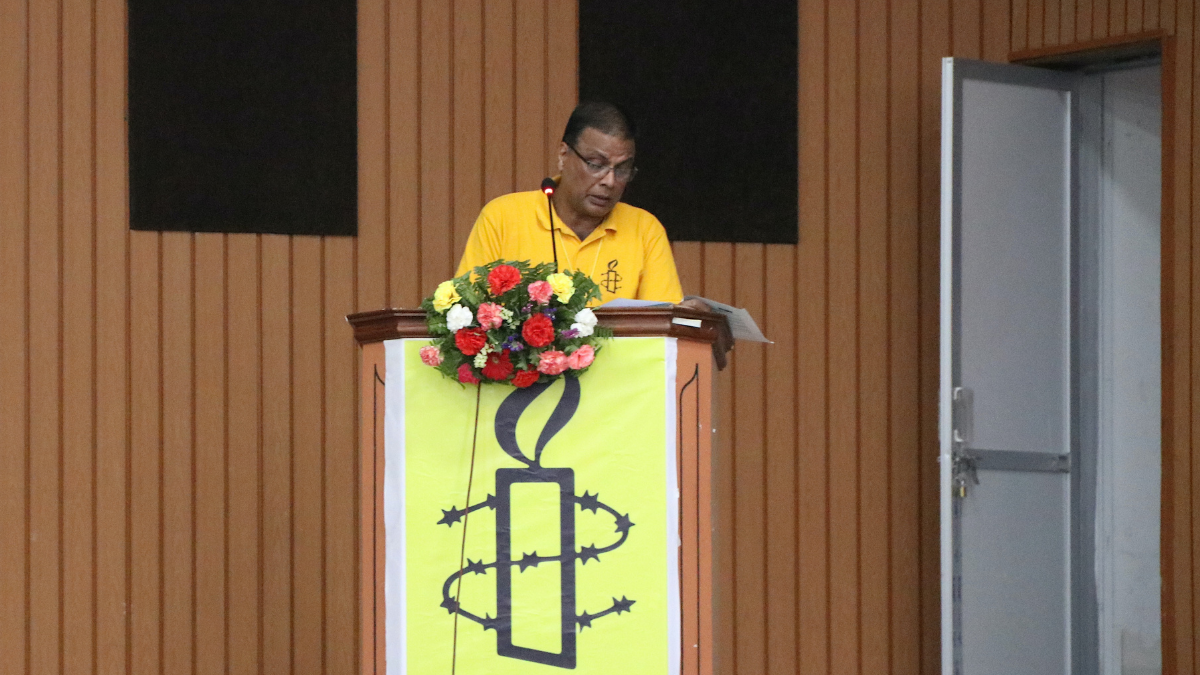
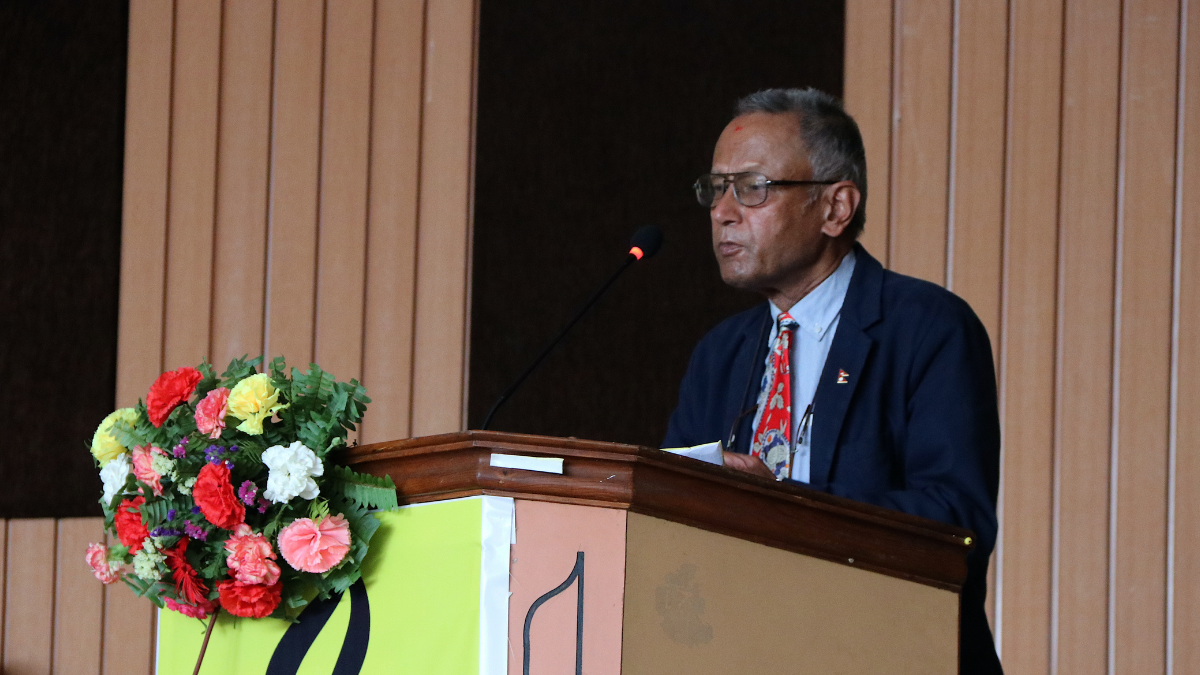
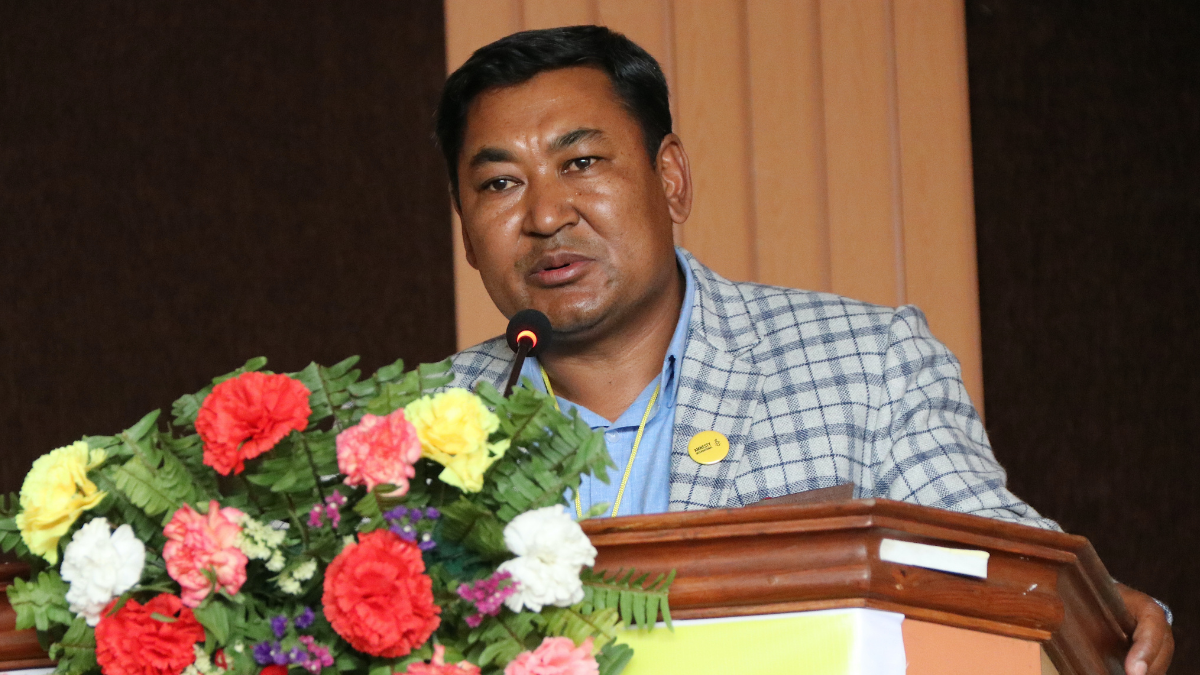
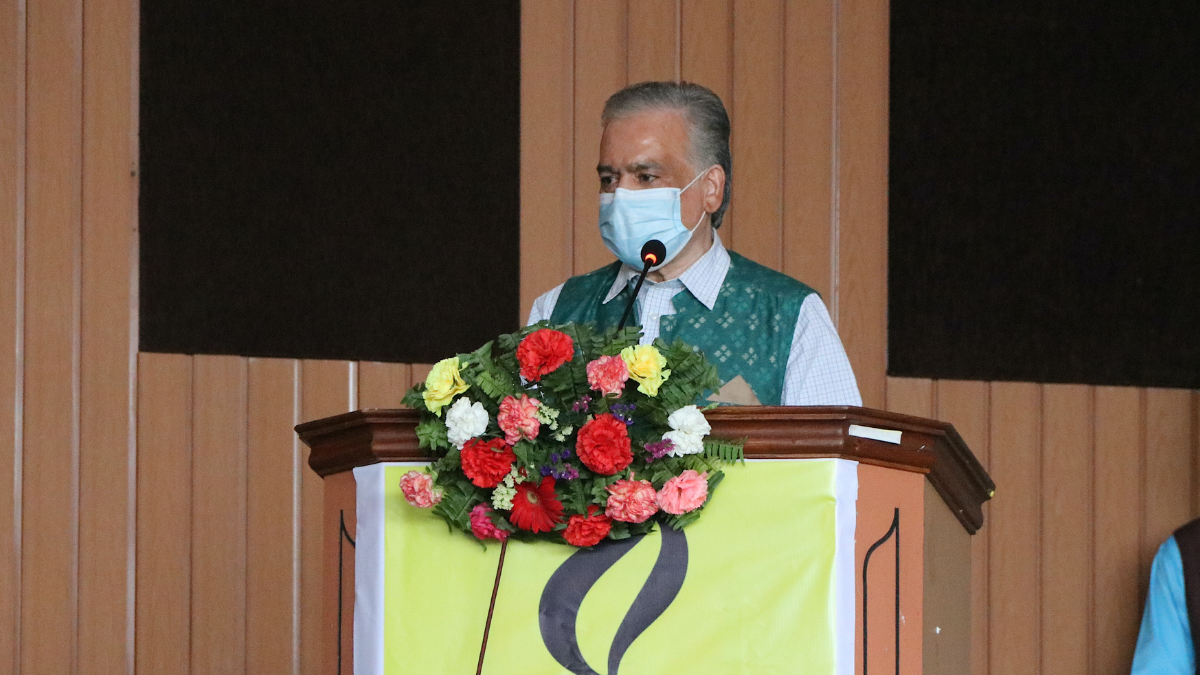
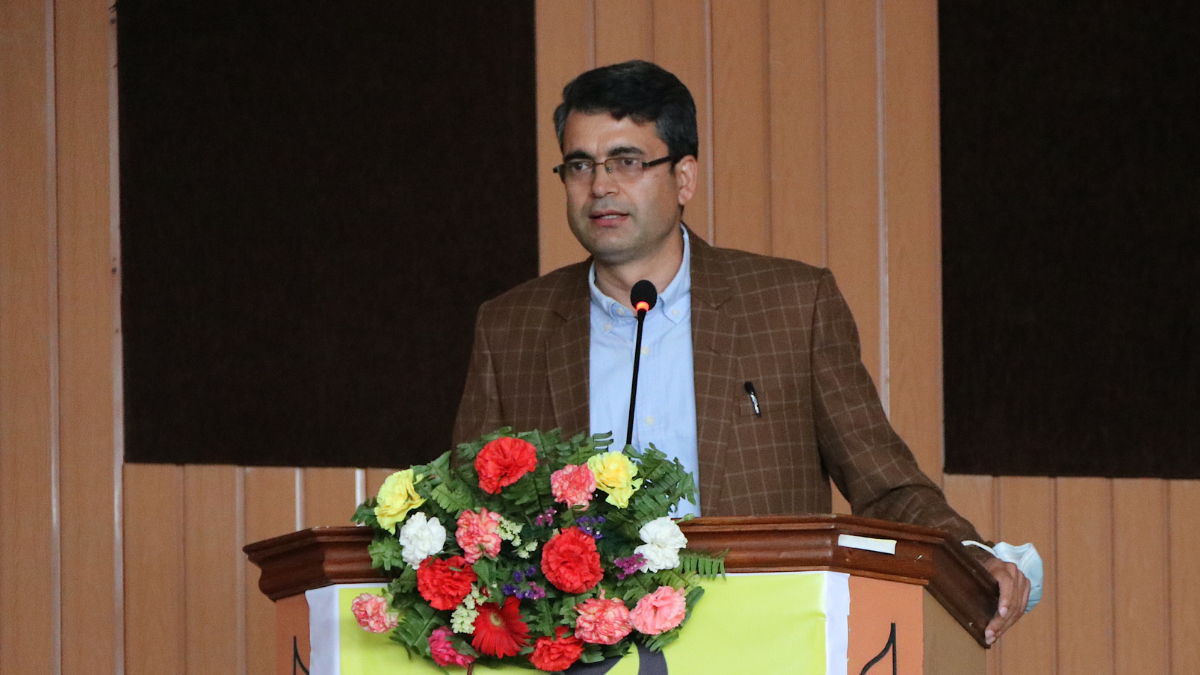
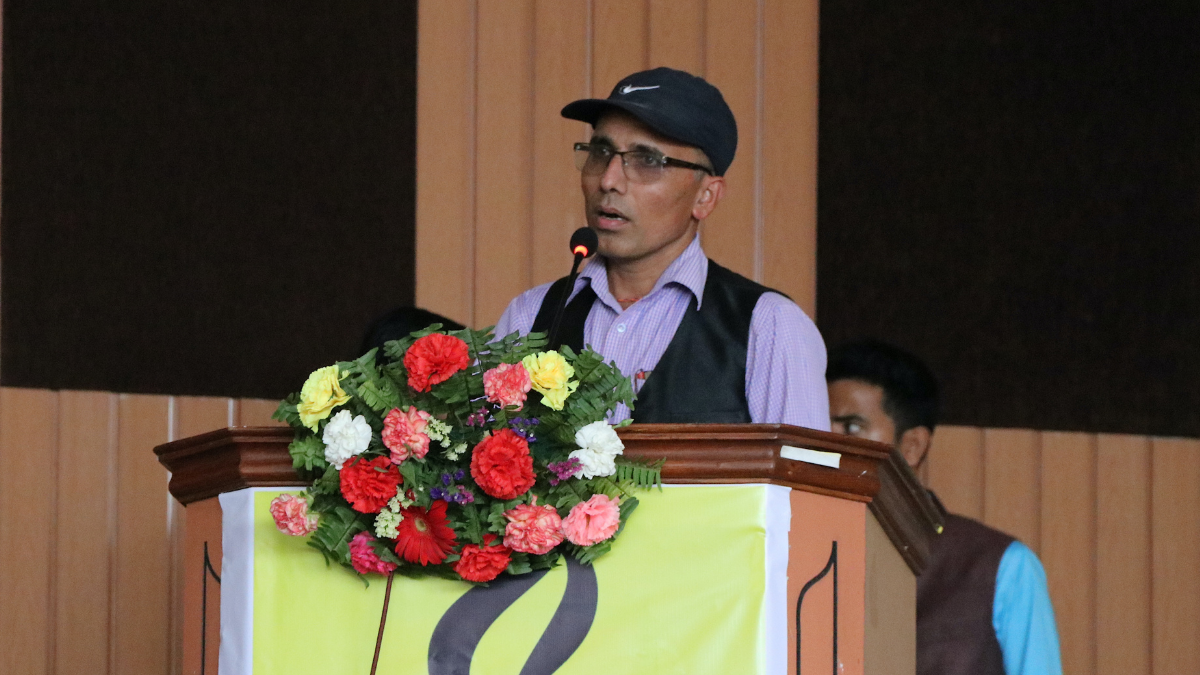
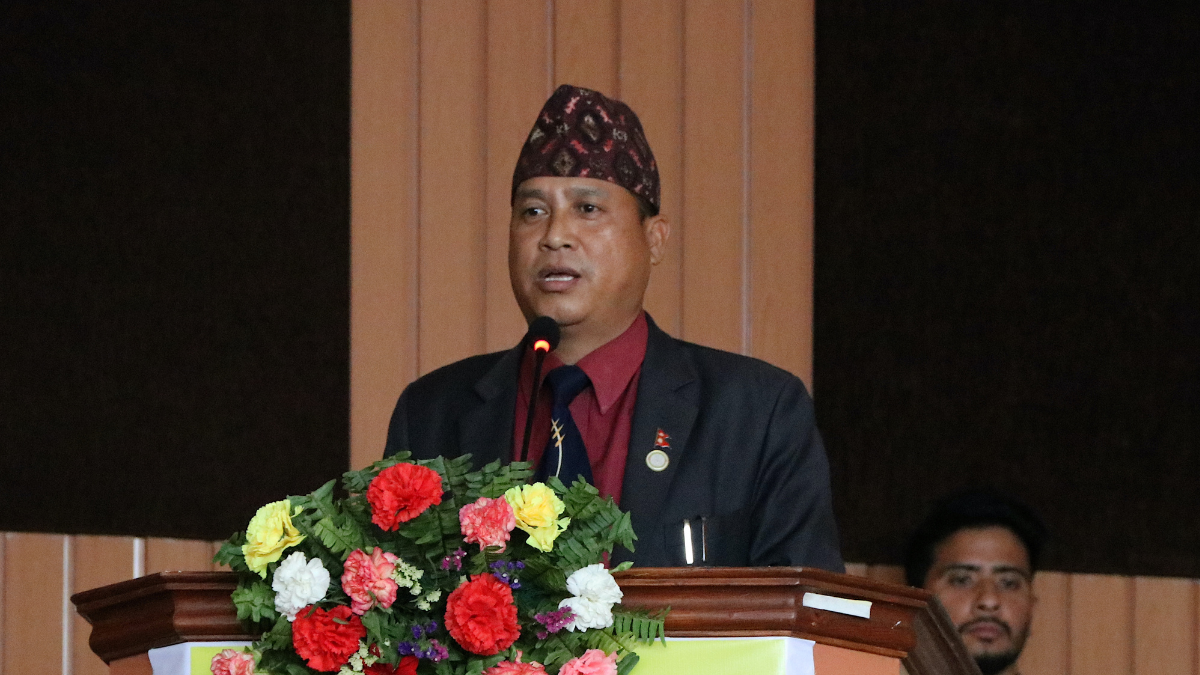
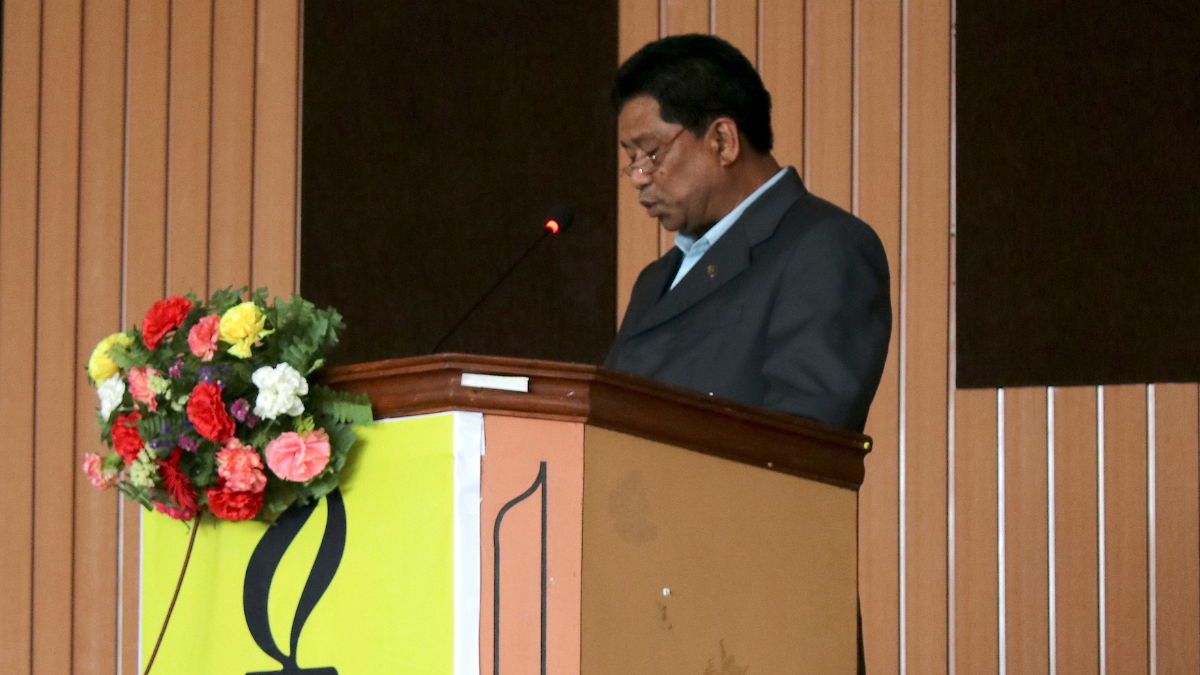
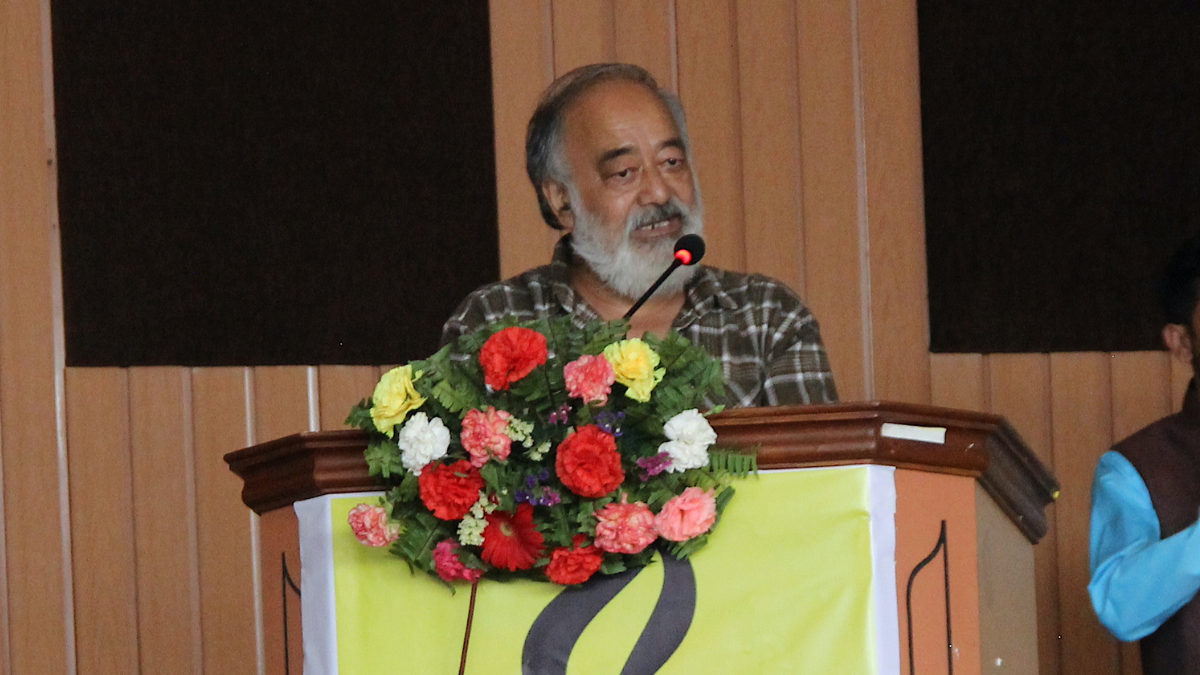
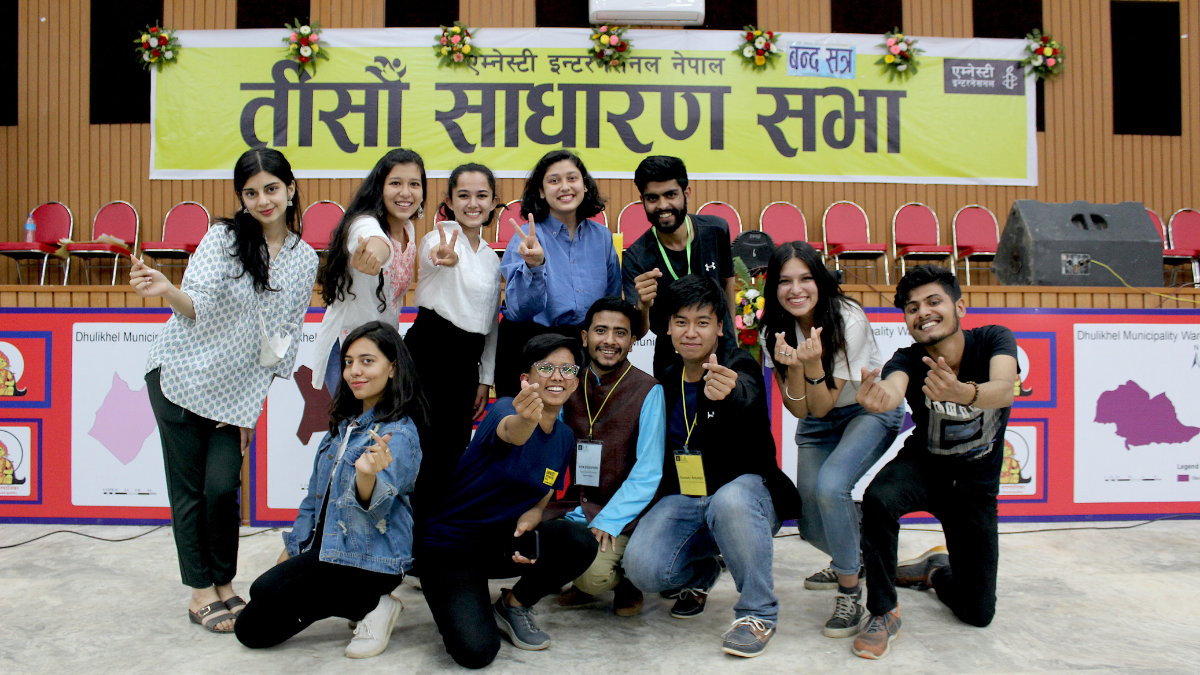
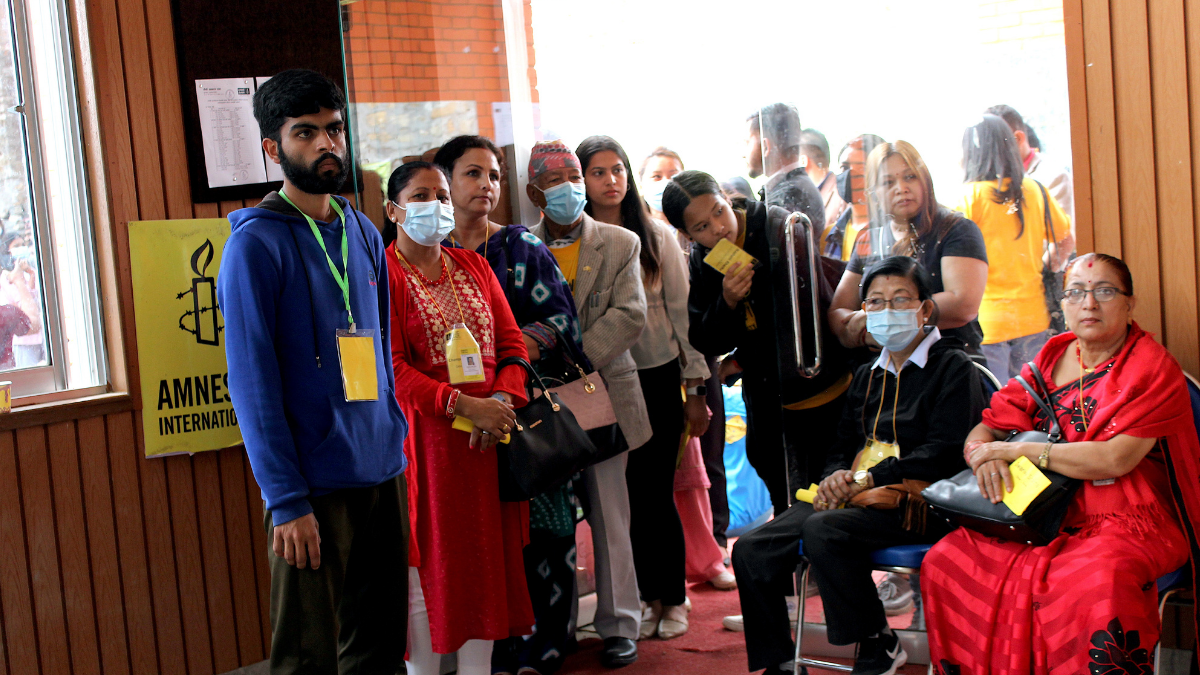
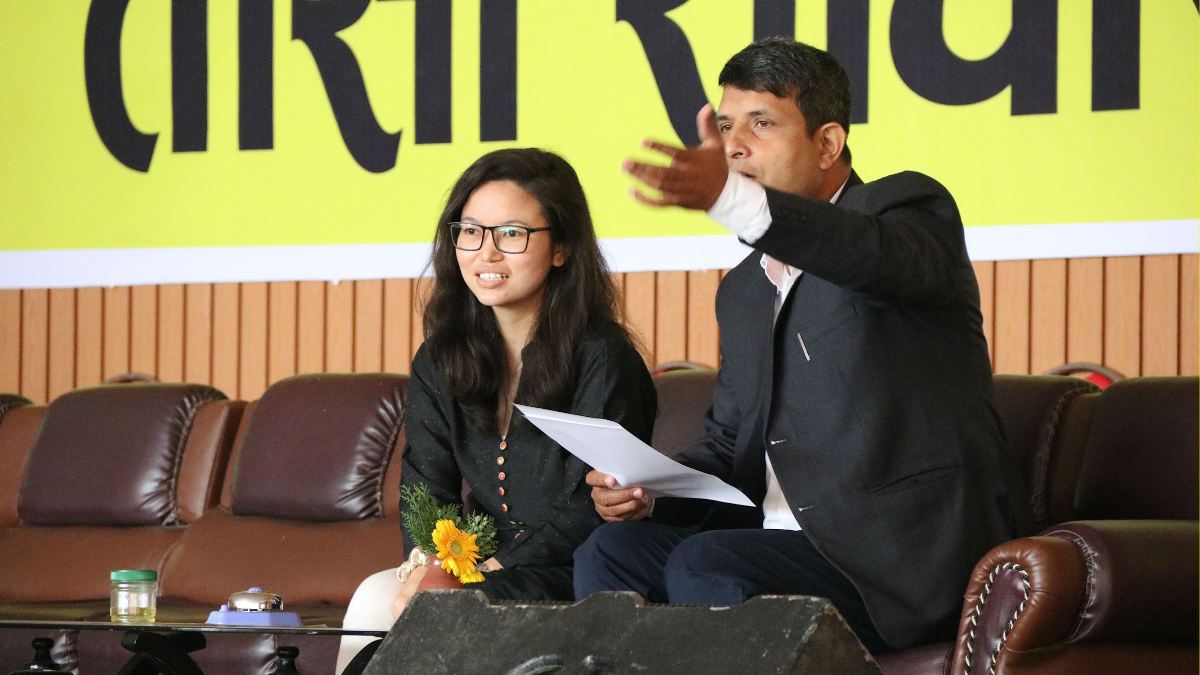
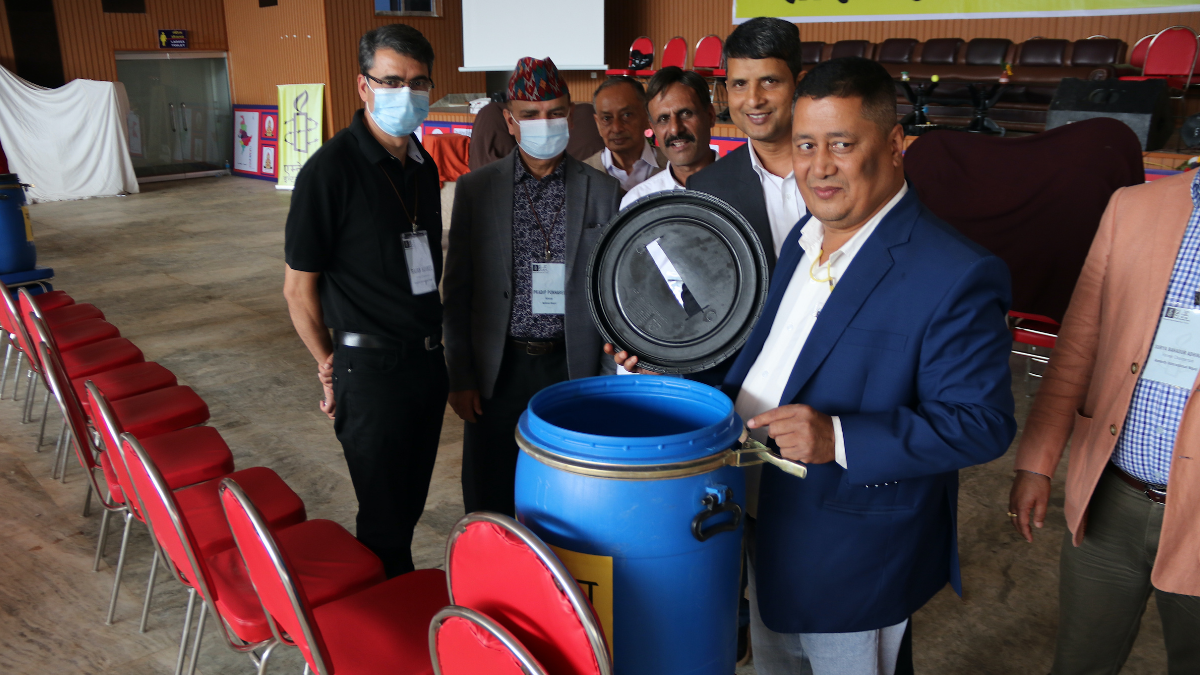
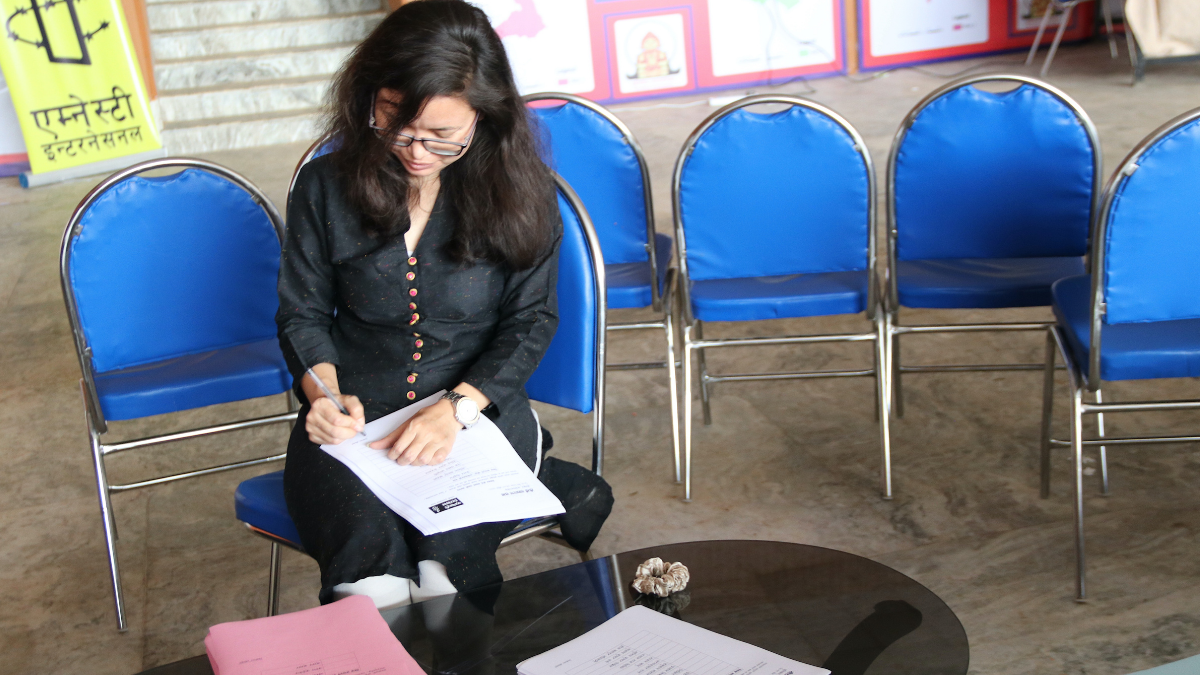
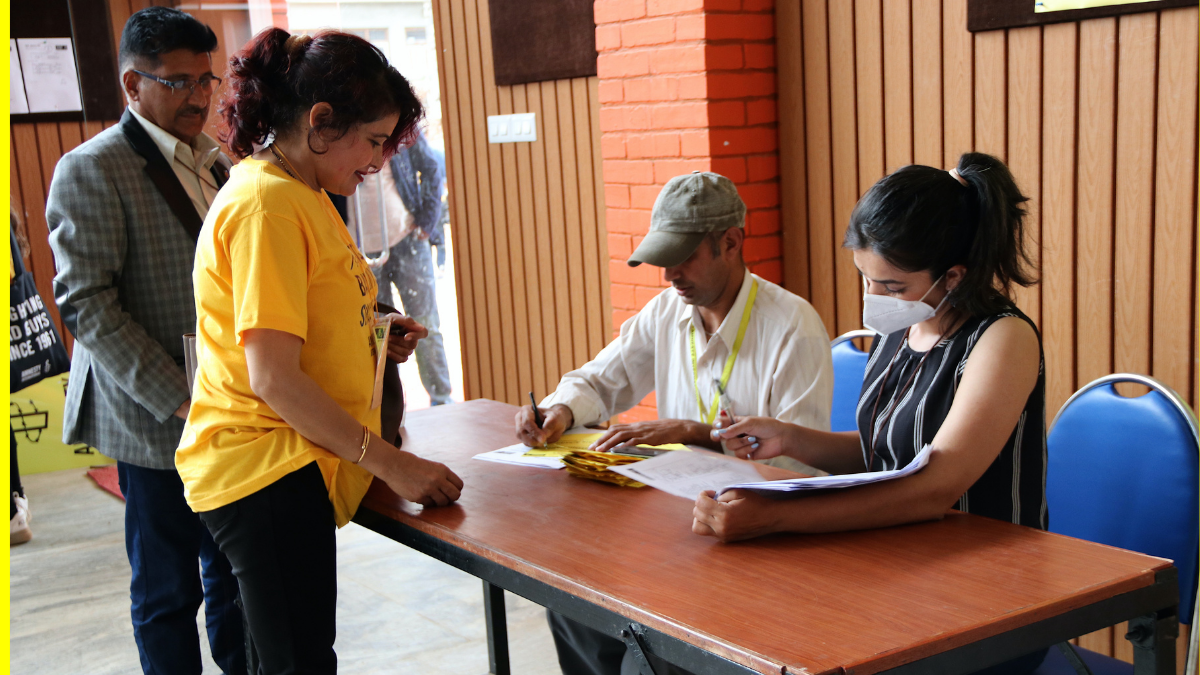
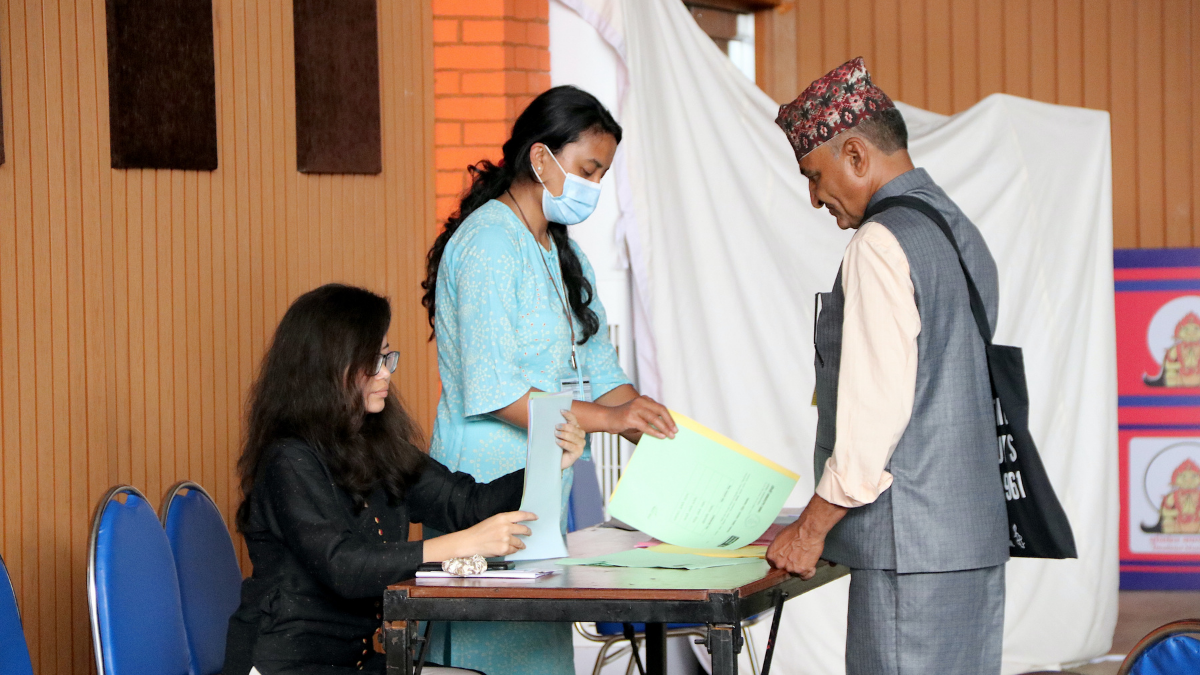
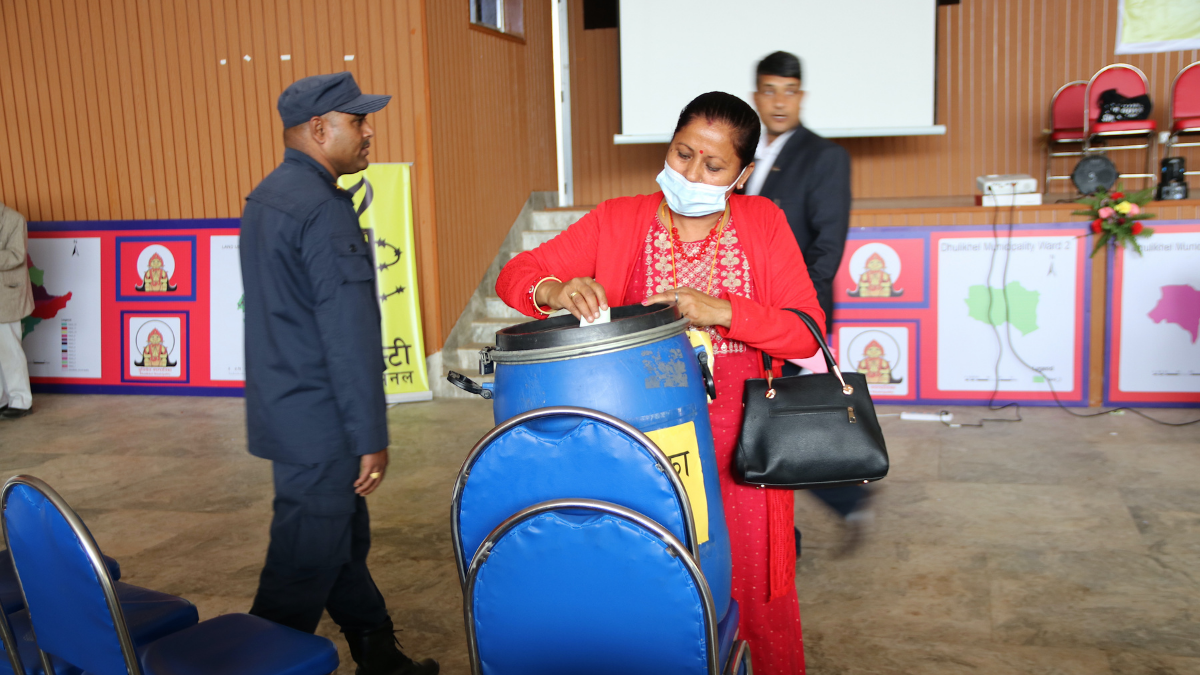
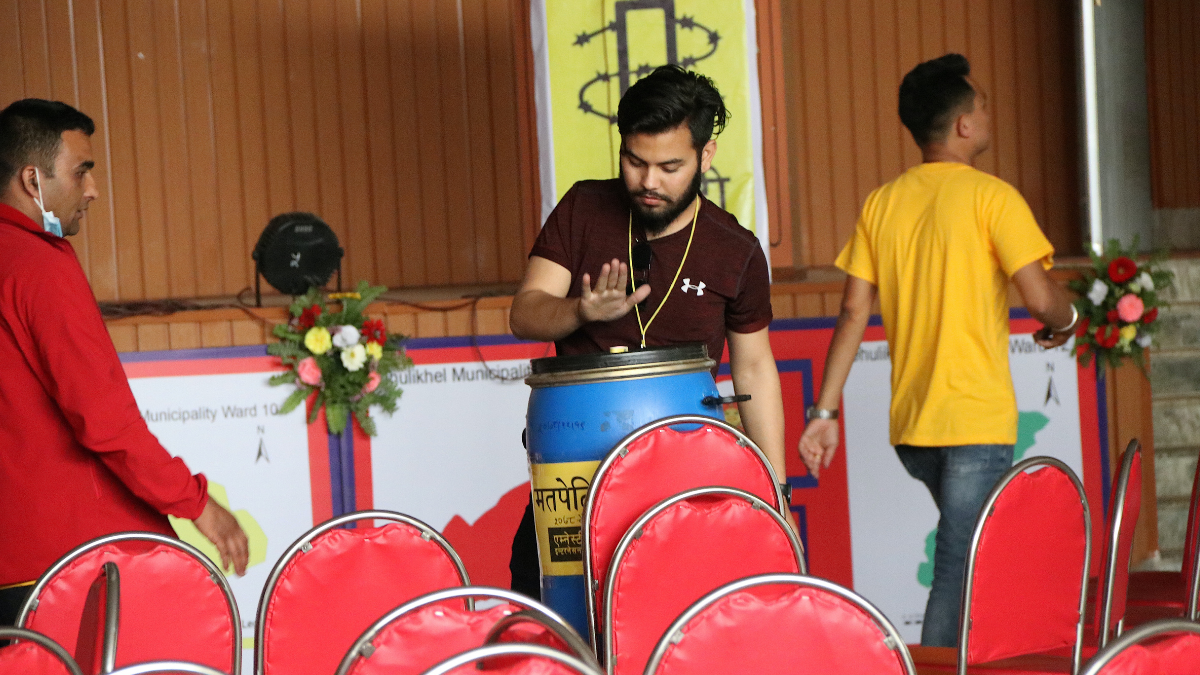
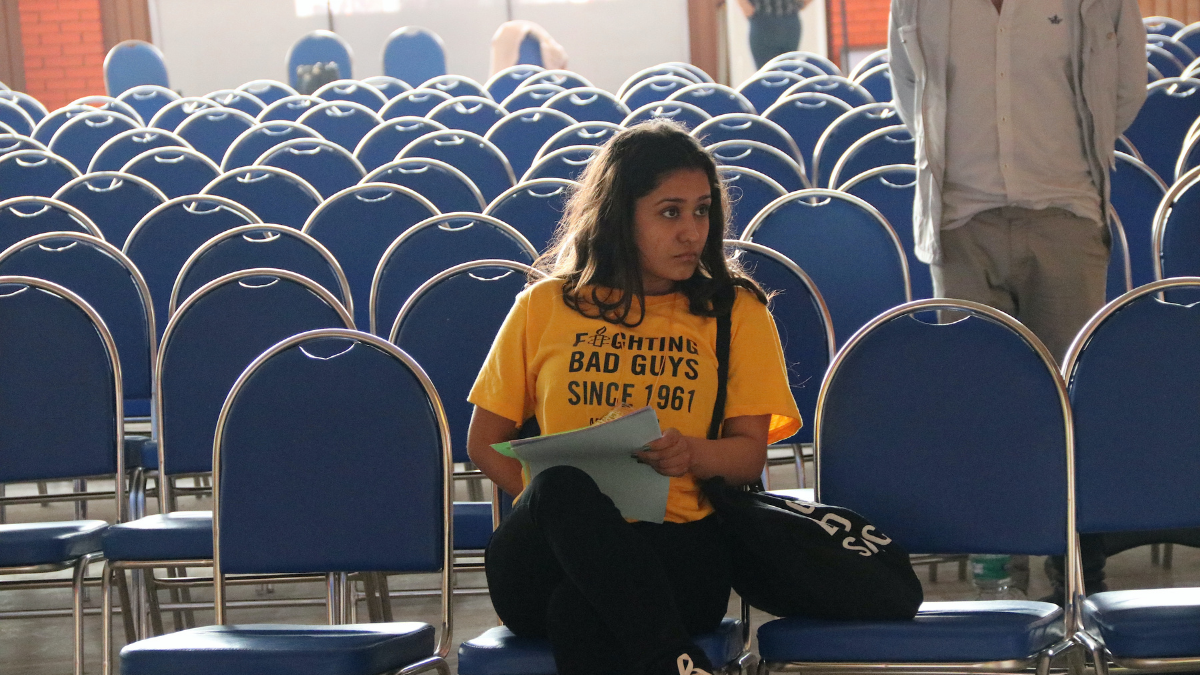
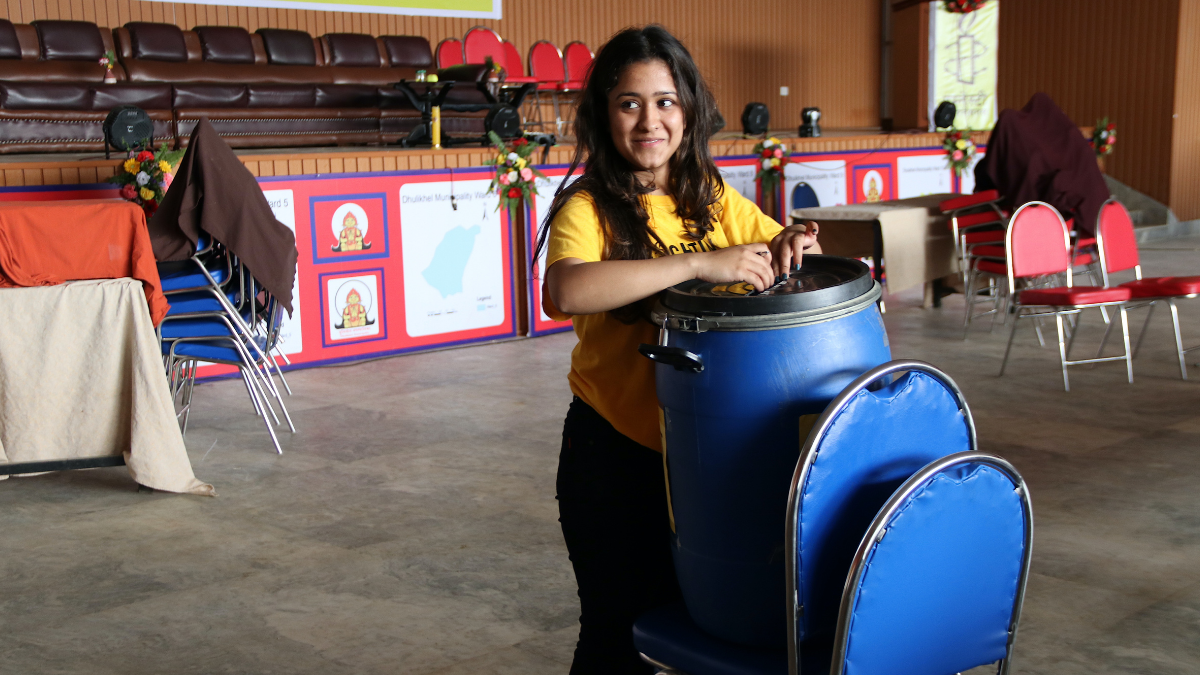
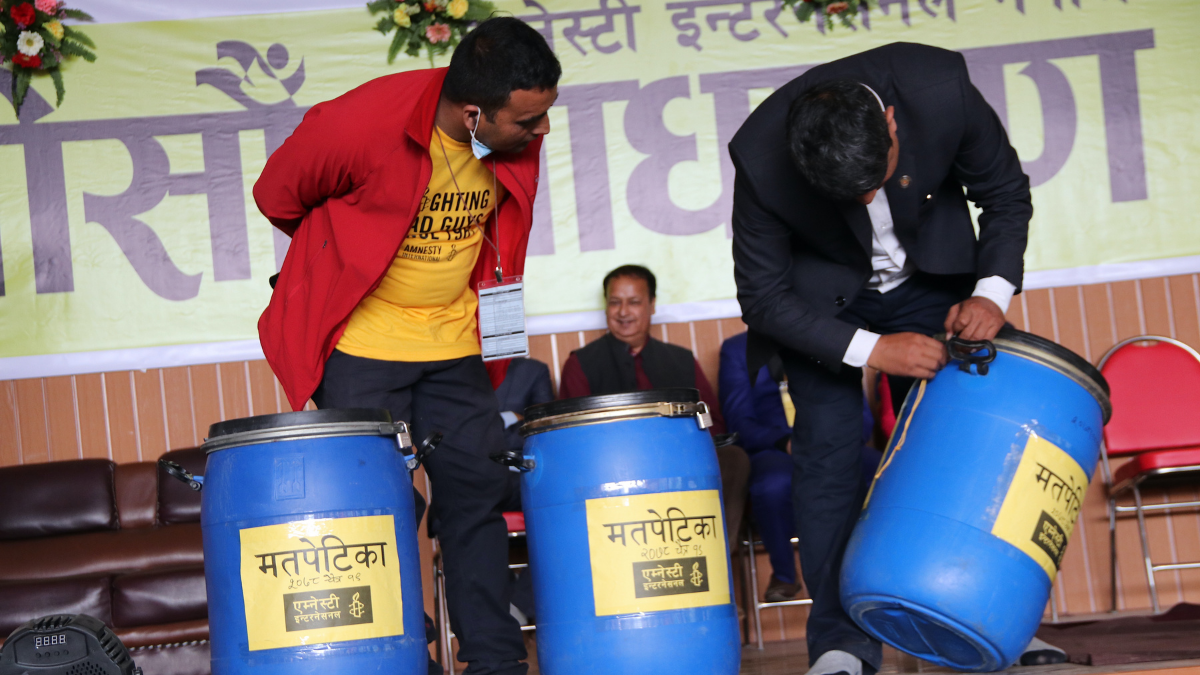
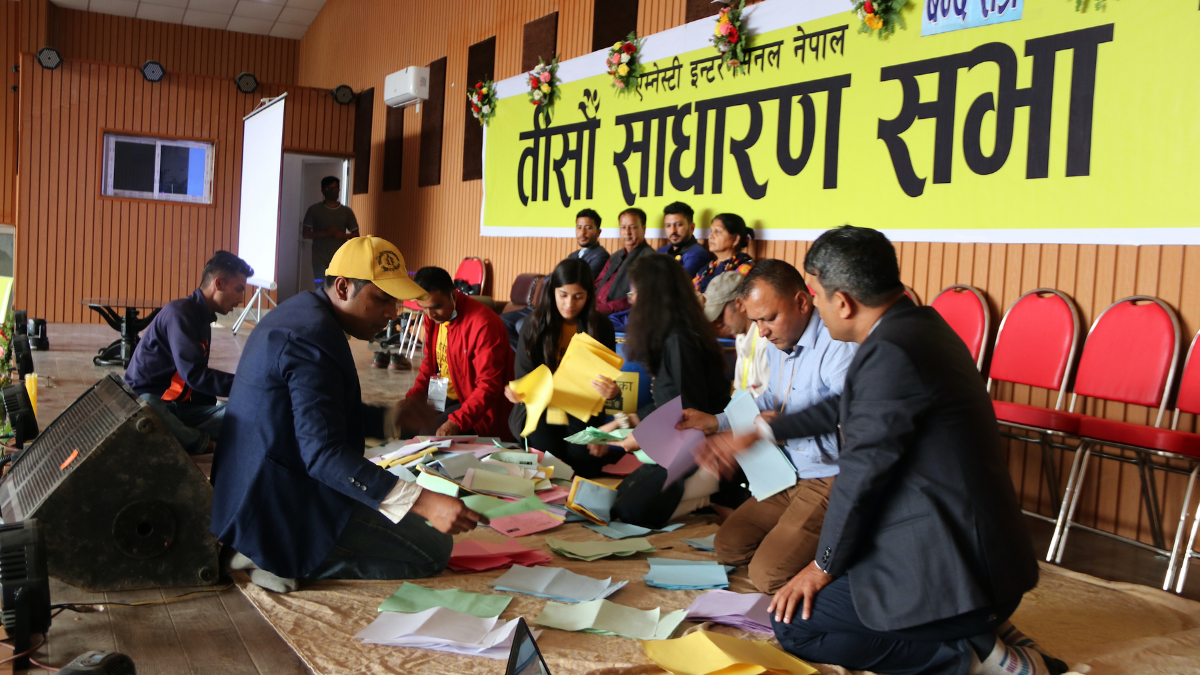
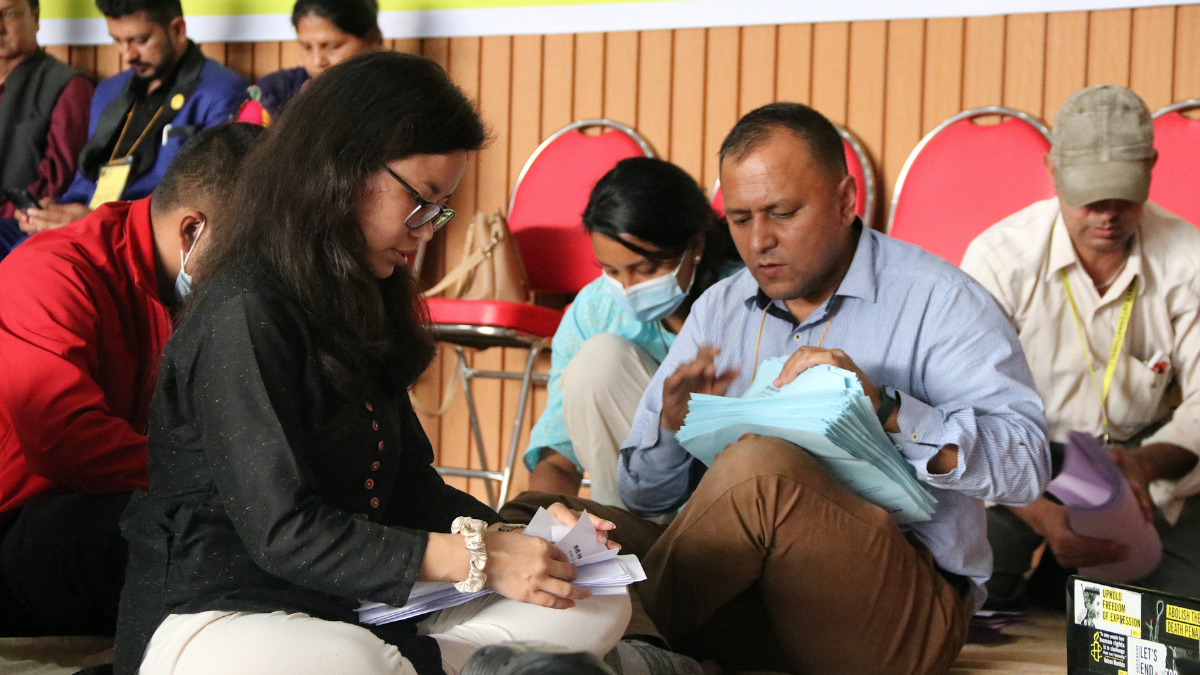
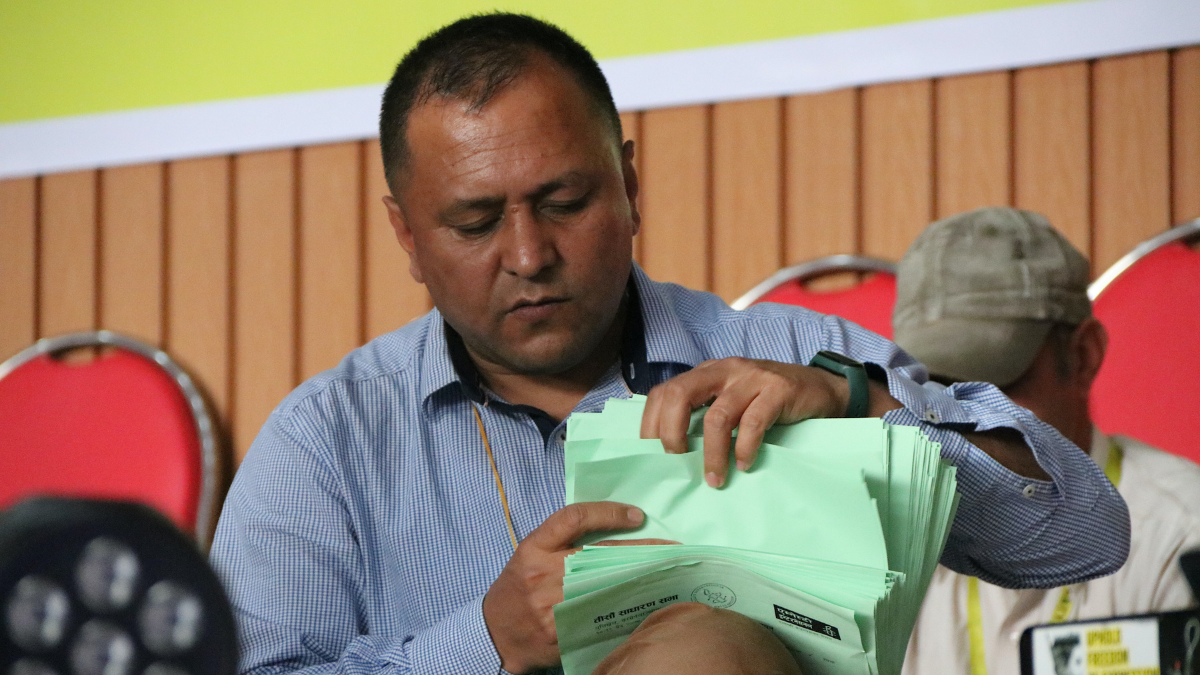
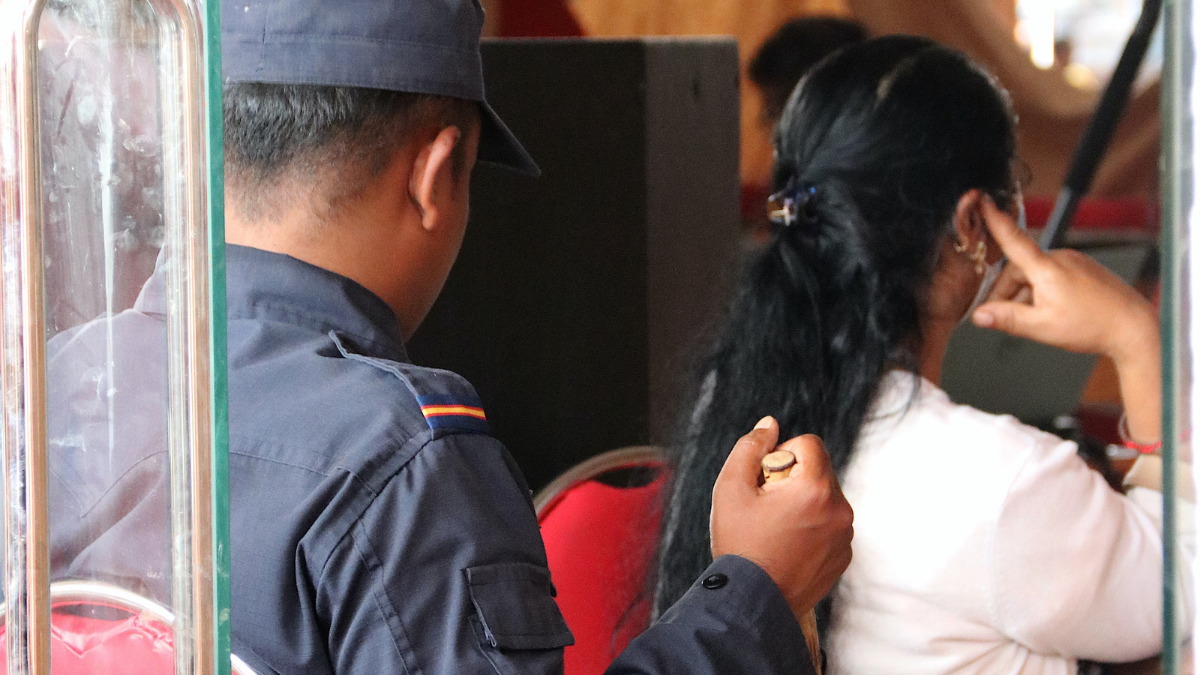
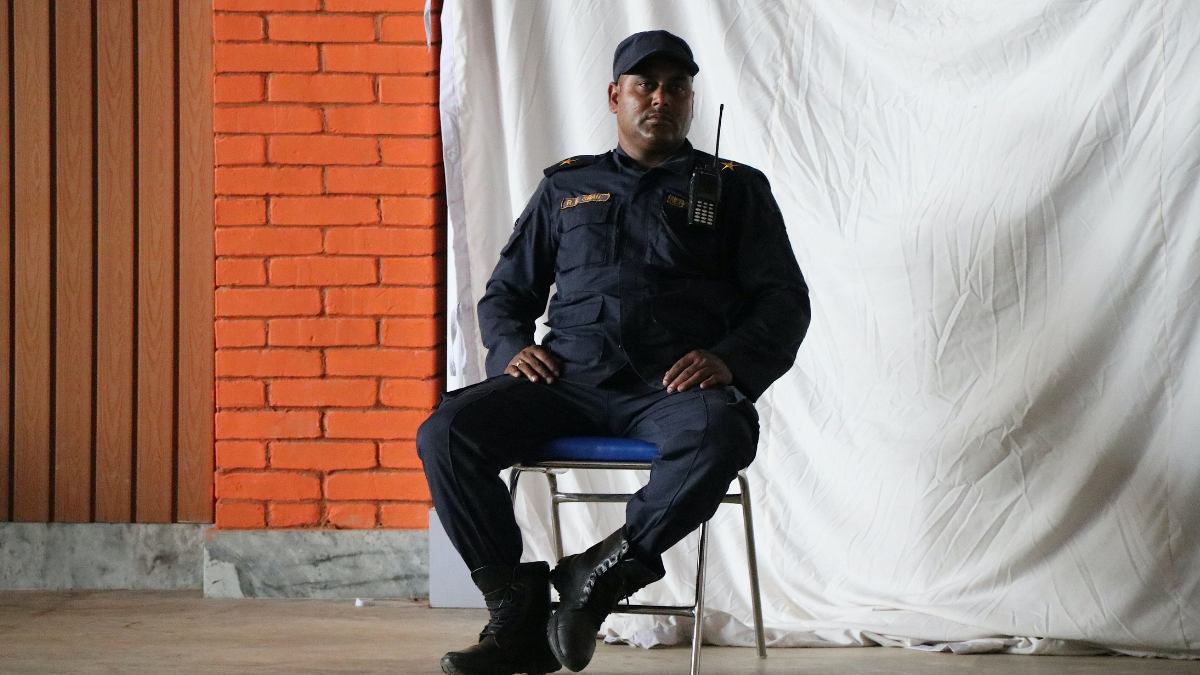
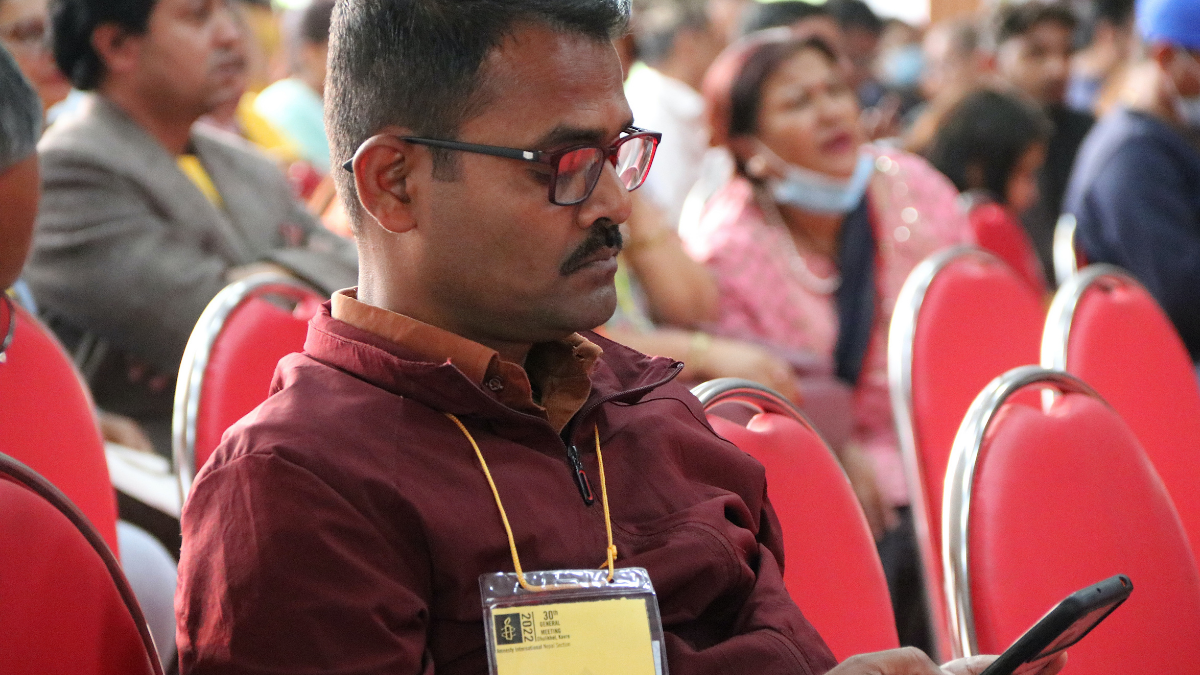
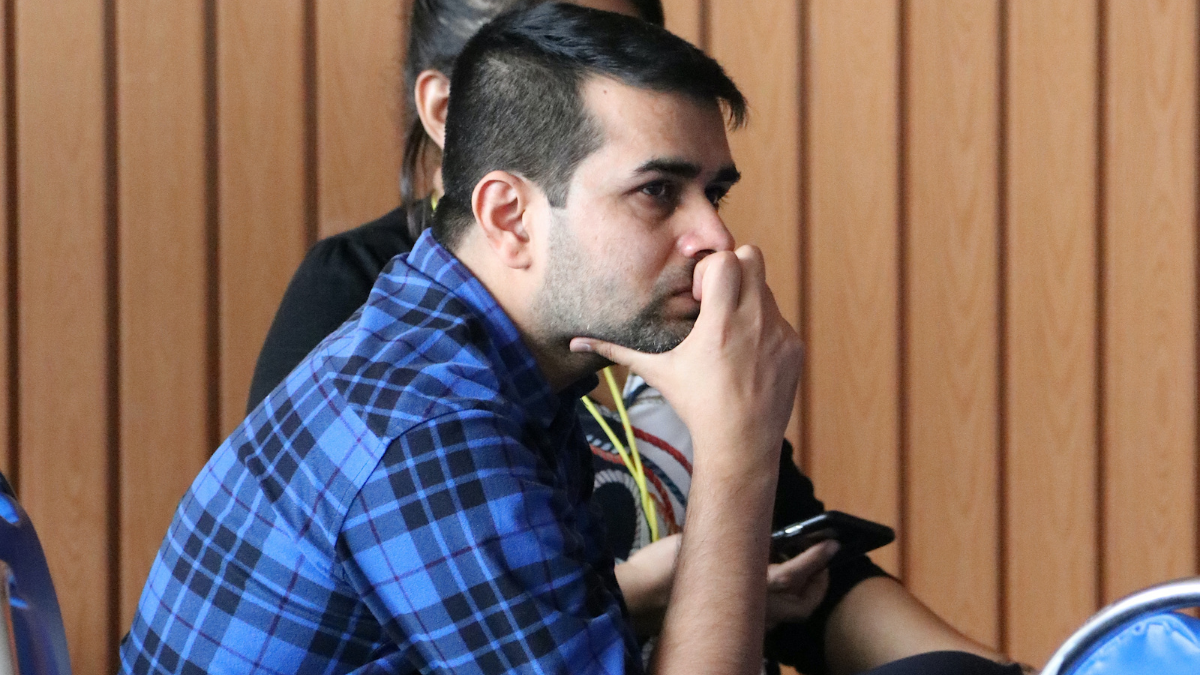
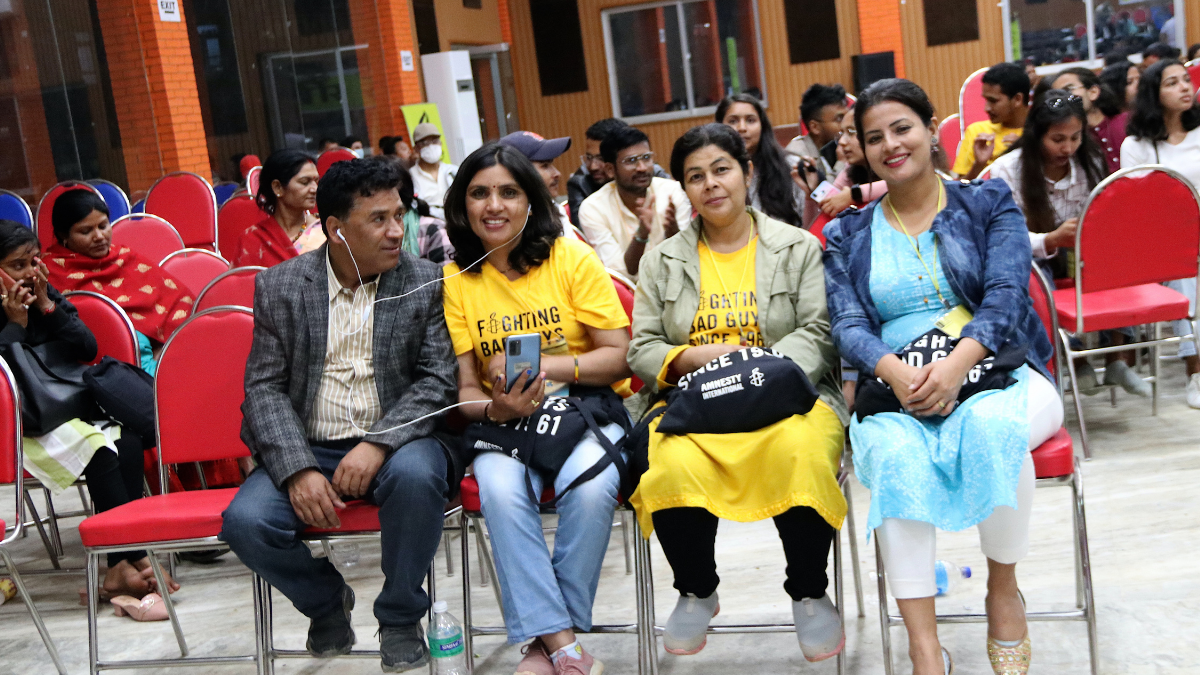
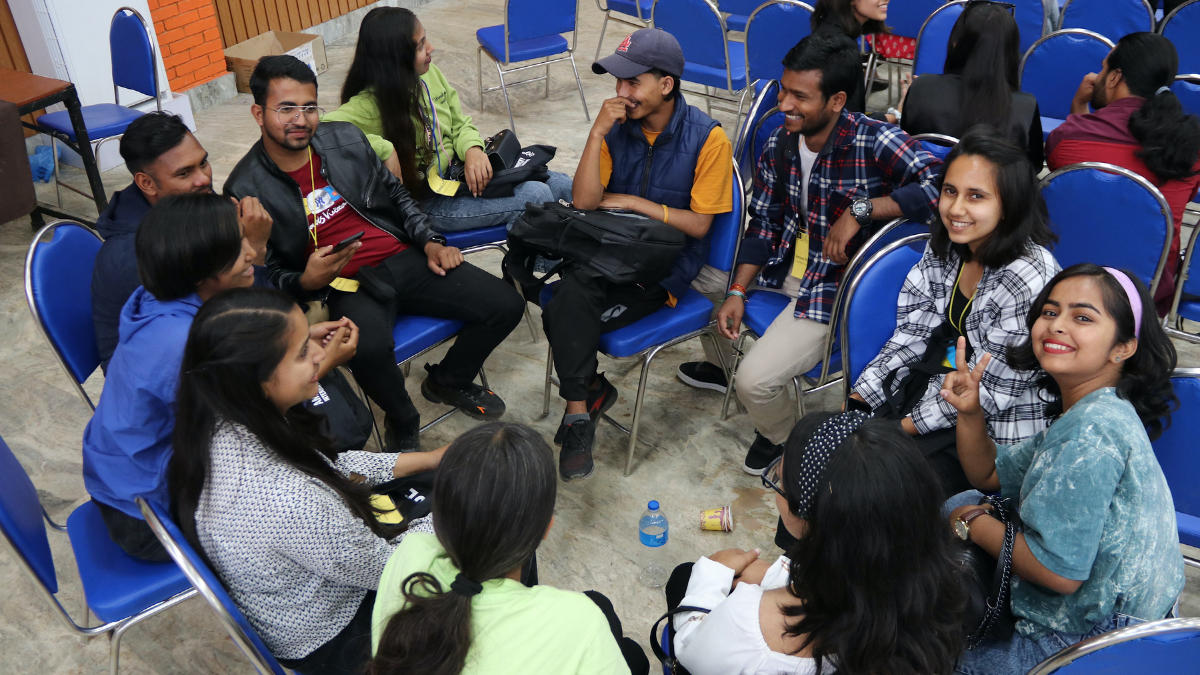
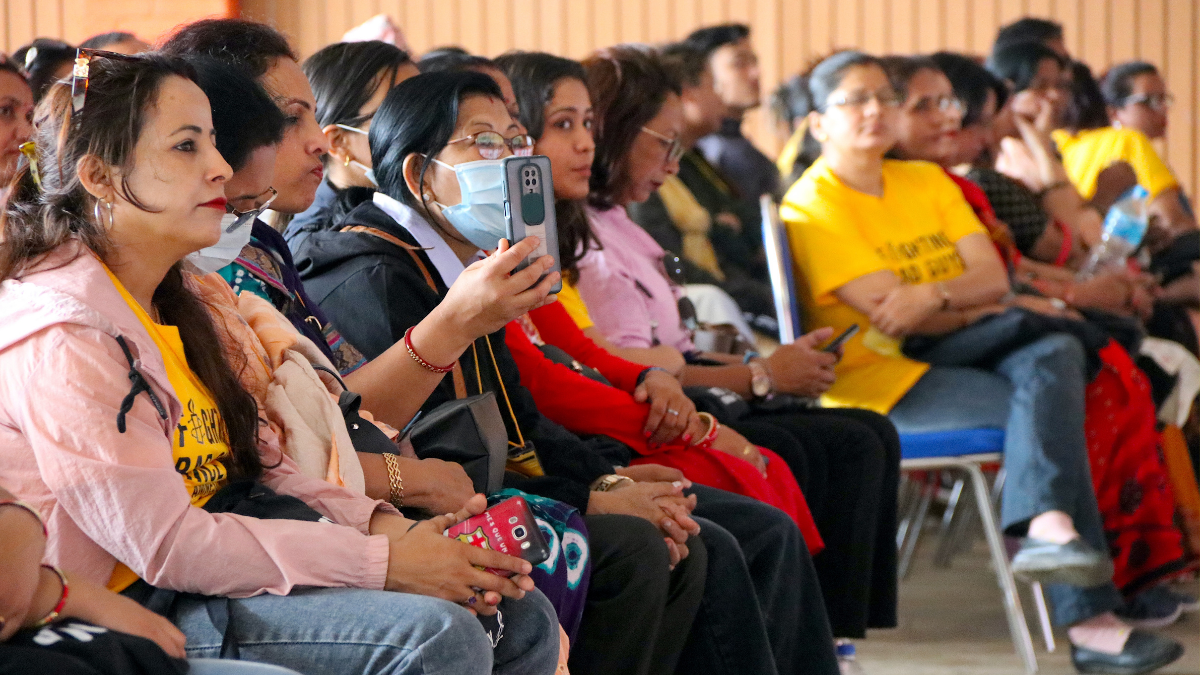
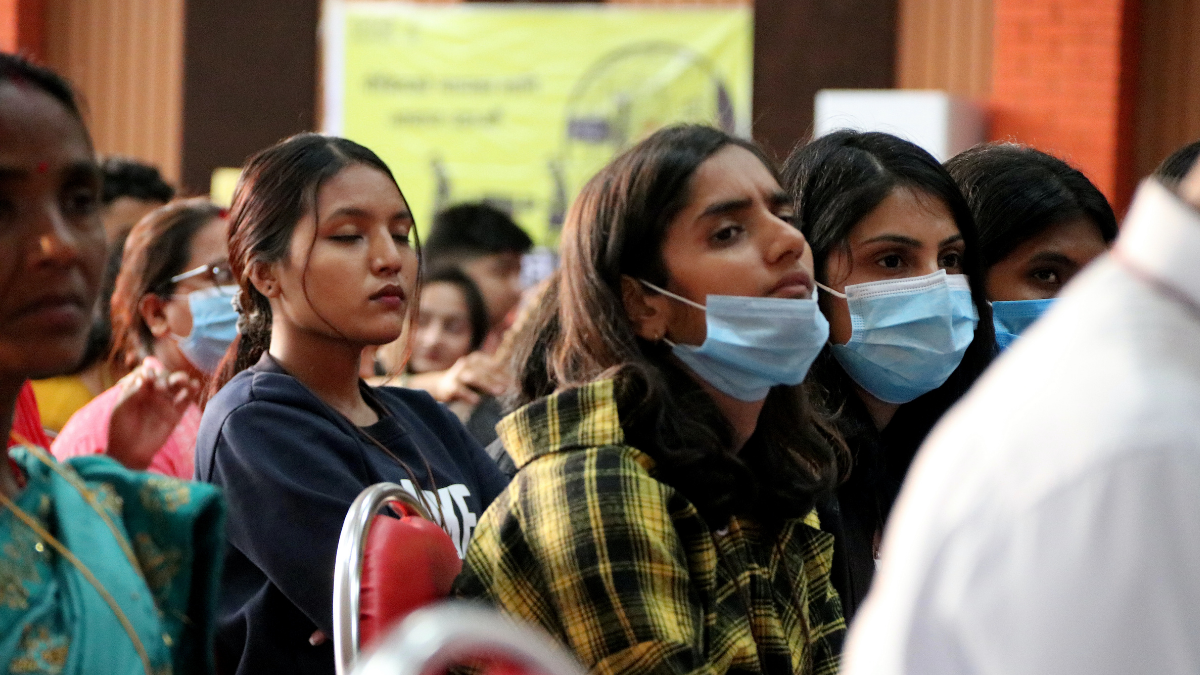
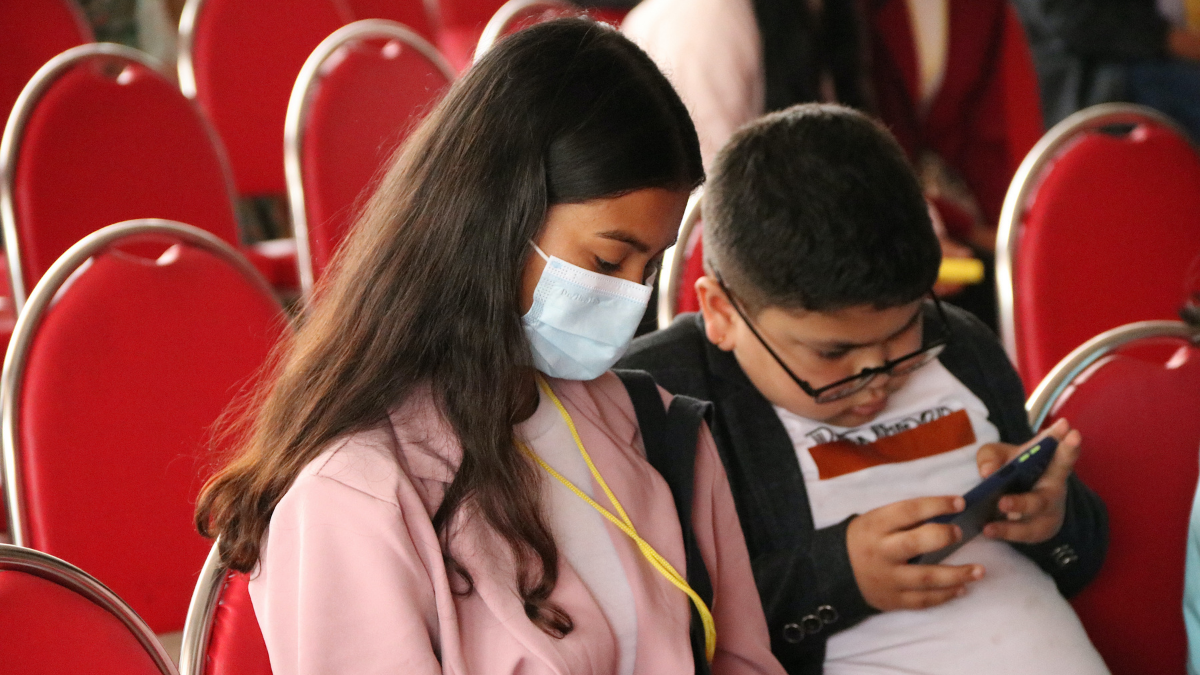
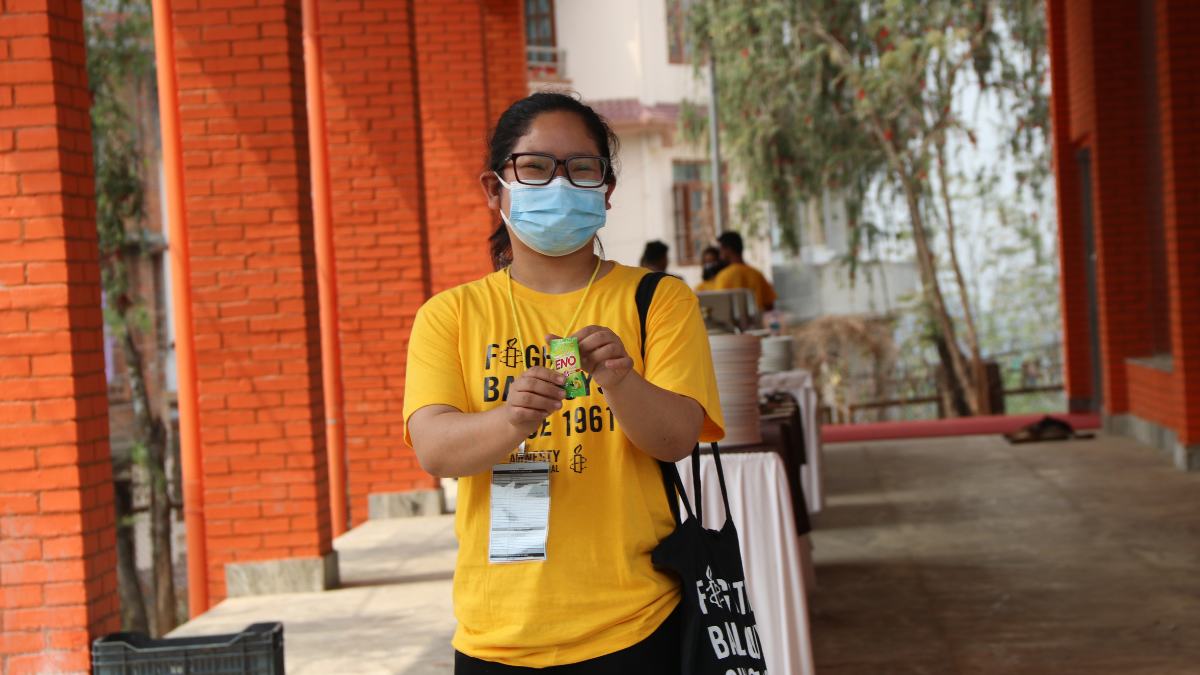
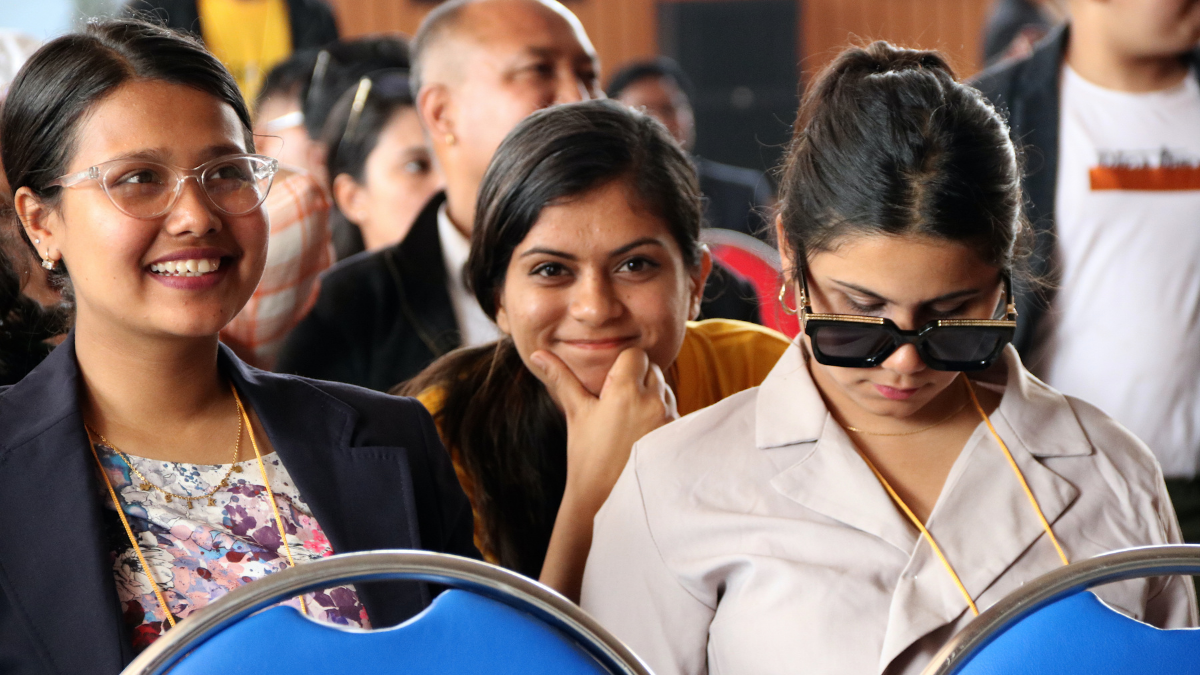
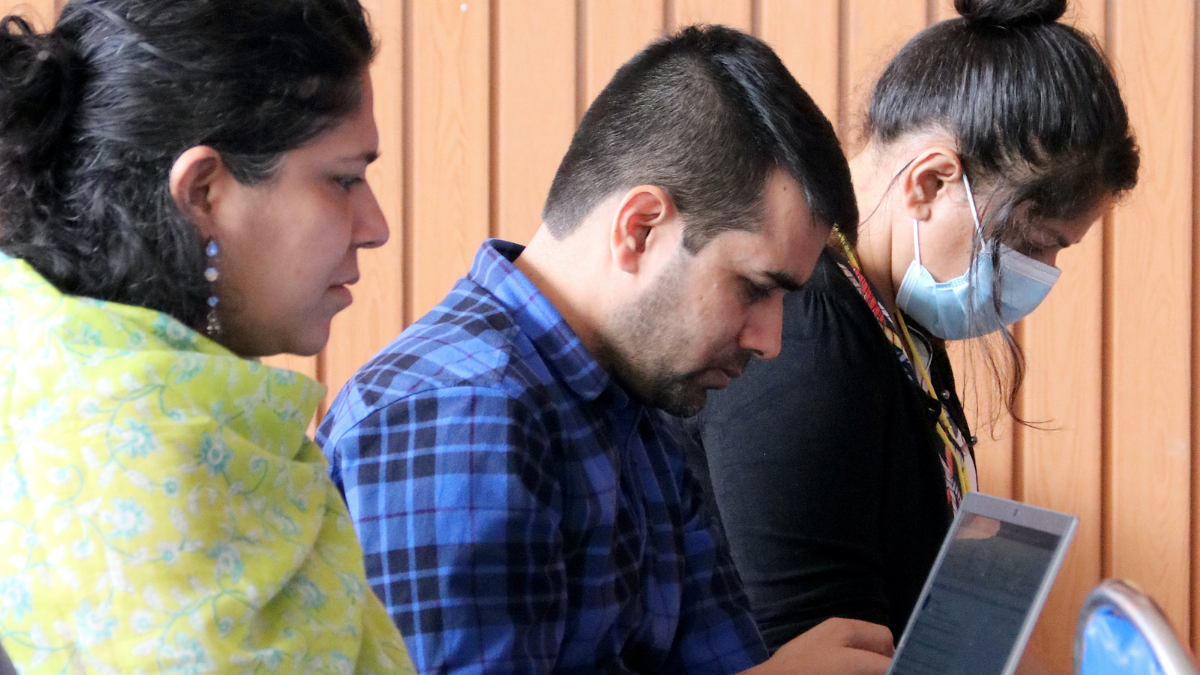
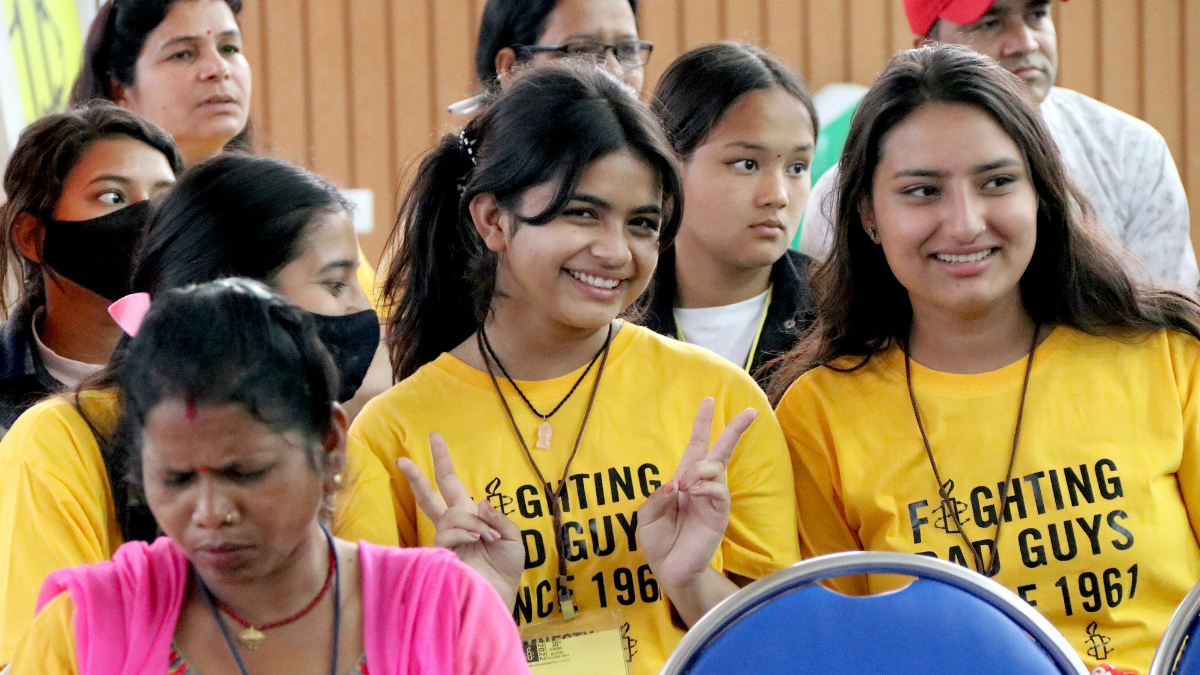
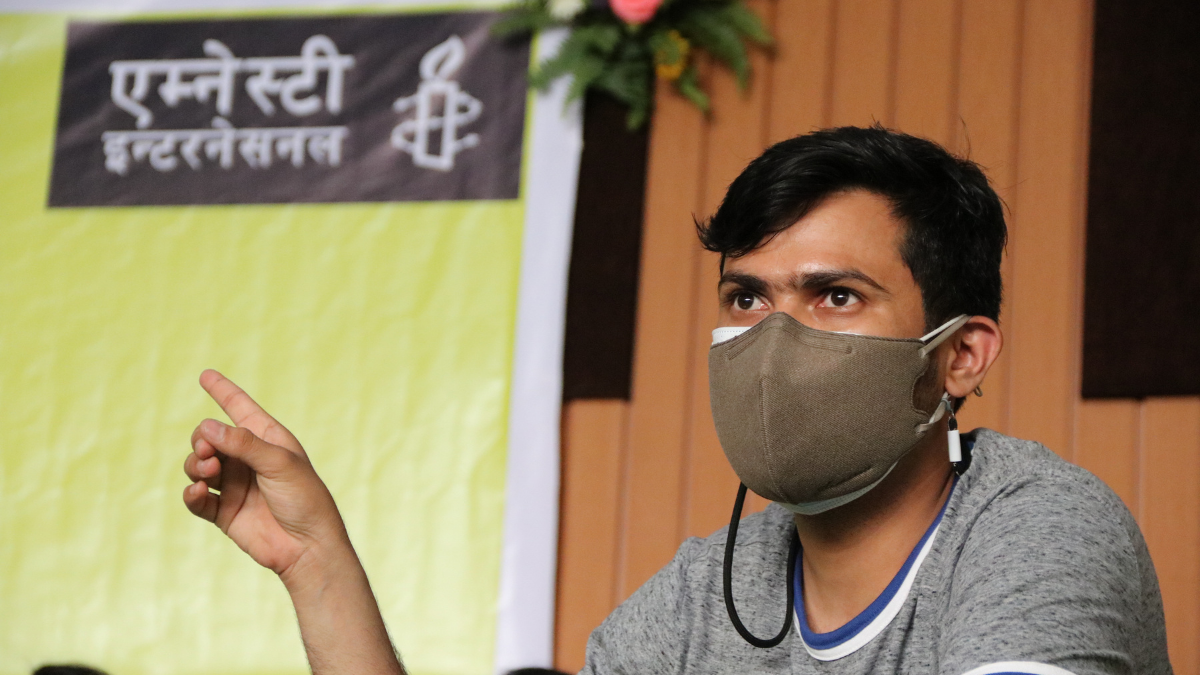
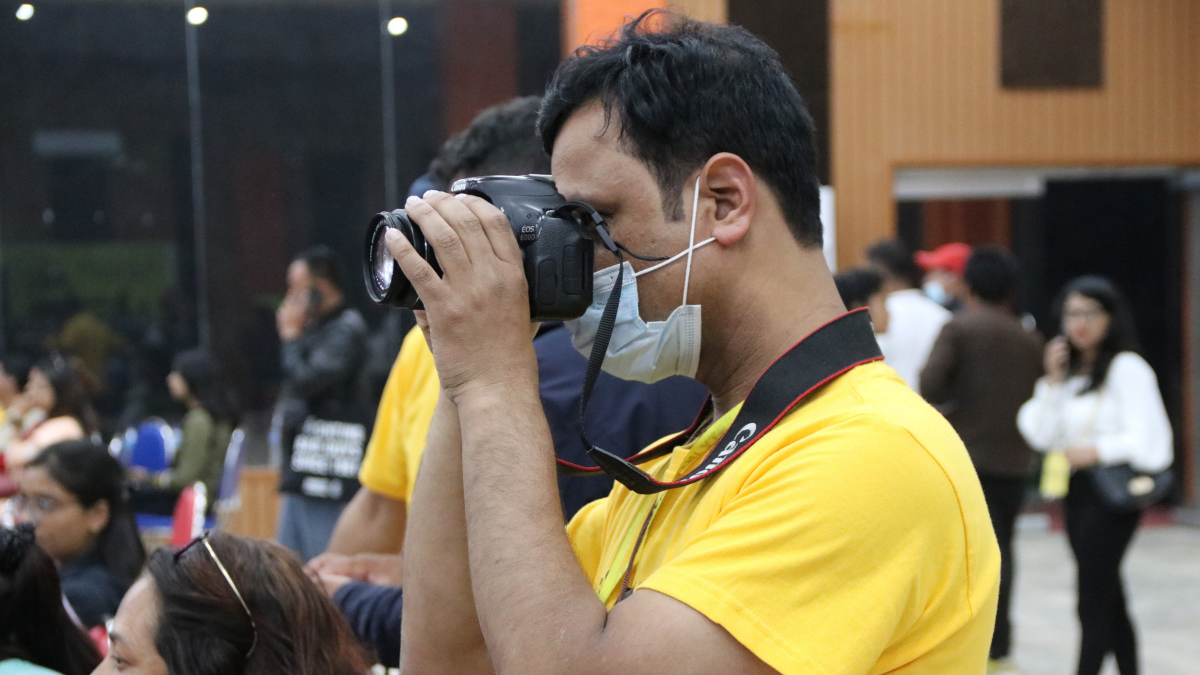
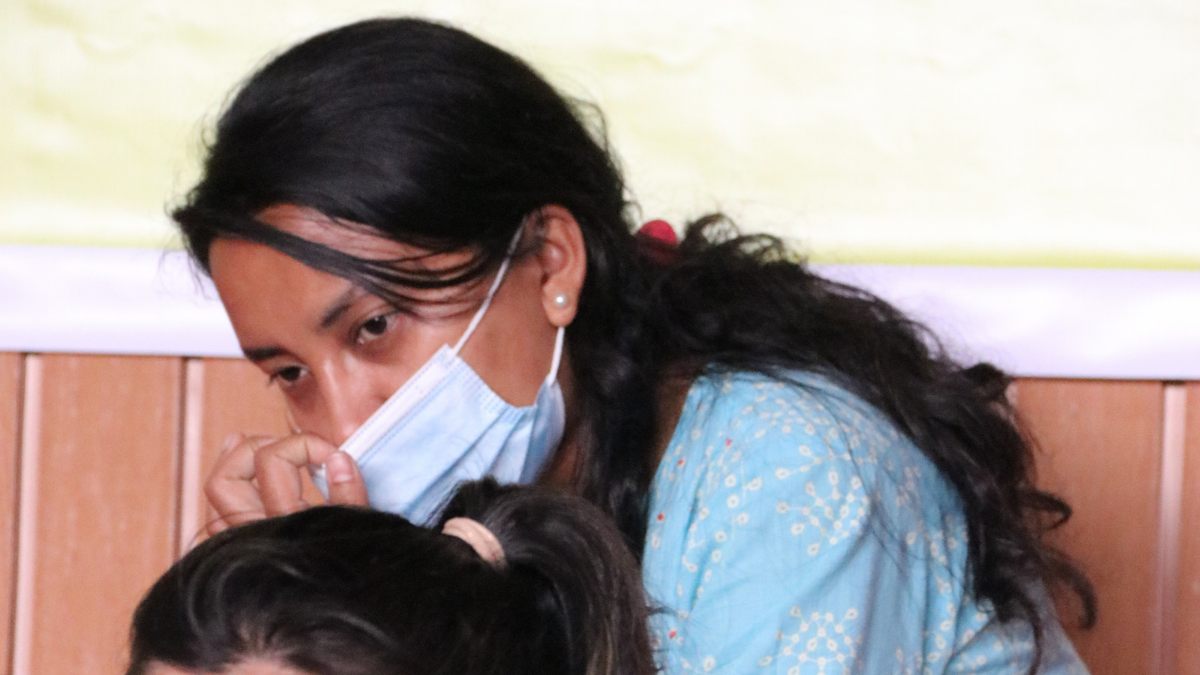
As a member and a content creator, I vlogged the 30th General Meeting of Amnesty International Nepal that was held in Dhulikhel, Kavre on 1-2 April. For me, it was an amazing experience capturing various moments, from the vibe of election, the youth urge to make youth win, meeting unexpected people from unexpected places and stories of different groups and youth networks. The enthusiasm that youths carried and shown is the major highlight of this video blog.
The election process and the curiosity of last counts is something to watch over here. This was the first election of AI Nepal which provided youth members with voting rights, which I can say is something to watch and witness. In this vlog, I have tried my best to record the entire moments.
Please watch my vlog below and do not forget to comment and share with others 🙂
The three months, from February to April remained to be the busiest for Amnesty International Nepal. Both the National Secretariat and the National Board were busy with the preparation and management of the 30th General Meeting of Amnesty International Nepal. In addition, Amnesty International Nepal also launched the Amnesty International Report 2021/22: The State of the World’s Human Rights in Nepal. This blog post provides an update of various activities and human rights actions that Amnesty International Nepal has undertaken over the last three months.
PRESS RELEASE
Over the last three months, Amnesty International Nepal issued/circulated six press releases.
1. Israel’s apartheid against Palestinians: a cruel system of domination and a crime against humanity.
On 1 February 2022, Amnesty International Nepal issued a press release of Amnesty International based on a comprehensive and investigative report ‘Israel’s Apartheid against Palestinians: Cruel System of Domination and Crime against Humanity’.
Israeli authorities must be held accountable for committing the crime of apartheid against Palestinians. The investigation detailed how Israel enforces a system of oppression and domination against the Palestinian people wherever it has control over their rights. This includes Palestinians living in Israel and the Occupied Palestinian Territories (OPT), as well as displaced refugees in other countries.
The report sets out how massive seizures of Palestinian land and property, unlawful killings, forcible transfer, drastic movement restrictions, and the denial of nationality and citizenship to Palestinians are all components of a system which amounts to apartheid under international law. This system is maintained by violations which Amnesty International found to constitute apartheid as a crime against humanity, as defined in the Rome Statute and Apartheid Convention.
Amnesty International called on the International Criminal Court (ICC) to consider the crime of apartheid in its current investigation in the OPT and calls on all states to exercise universal jurisdiction to bring perpetrators of apartheid crimes to justice.
On 14 February 2022, Amnesty International Nepal circulated a press release issued by Amnesty International based on a new a new assessment of the leading Covid-19 vaccine developers. The press release read: Despite urgent calls to ensure the equal distribution of Covid-19 vaccines in 2021, pharmaceutical companies tragically failed to rise to the challenge of a once-in-a-century global health and human rights crisis. Instead, they monopolized technology, blocked, and lobbied against the sharing of intellectual property, charged high prices for vaccines and prioritized supplies to wealthy countries.
Ten billion doses of Covid-19 vaccines were produced last year, more than enough to reach the 40% target of global vaccination set by the World Health Organization (WHO) for the end of 2021. Yet Amnesty’s assessment report reveals that just over 4% of those living in low-income countries had been fully vaccinated by the end of last year.
Amnesty International is calling on companies to share intellectual property by issuing open and non-exclusive licences or participating in the Covid-19 Technology Access Pool (C-TAP), established to support the sharing of open and non-exclusive licences, publicly disclose all terms and conditions, and price vaccine doses so profit does not stand in the way of access to Covid-19 vaccines.
3. People’s Vaccine Alliance: 130+ leading voices call for an end to vaccine monopolies after two years of pandemic
On 11 March, Amnesty Nepal circulated a press release issued by Amnesty International based on People’s Vaccine Alliance’s call for an end to vaccine monopolies after two years of pandemic. As per the press release, more than 130 former world leaders, Nobel laureates, leading scientists, economists, humanitarians, faith leaders, business leaders, trade unionists, and celebrities are calling for urgent action to vaccinate low and middle-income countries and bring an end to the Covid-19 pandemic, in a letter coordinated by the People’s Vaccine Alliance.
4. Amnesty International Report 2021/22: The State of the World’s Human Rights
Organizing an event in Kathmandu on 29 March 2022, Amnesty International Nepal launched Amnesty International Report 2021/22: The State of the World’s Human Rights. The organization also circulated to media a distribution package containing global report and Nepali translation of key sections (preface, global press release, global analysis: three key trends, Nepal section report).
The Amnesty International Report 2021/22 highlights the human rights situation in 154 countries in 2021. It presents Amnesty International’s documented concerns and recommendations for governments and others. From a human rights perspective, 2021 was largely a story of betrayal and hypocrisy in the corridors of power. But hopes for a better post-pandemic world were kept alive by courageous individuals, social movements and civil society organizations. Their efforts and limited hard-won victories should prompt governments to live up to their promises.
READ the REPORT below.
5. Issued the two press releases related to the 30th General Meeting
Amnesty Nepal issued two press releases related to its 30th General Meeting. The first press release was issued on 31 March 2022 before the General Meeting took place while the second press release was issued on 3 April 2022 after the event concluded.
Amnesty Nepal organized four events, including discussion programme on the World Day of Social Justice, a workshop on data security on the International Women’s Day, and launch of Amnesty International Report 2021/22: The State of the World’s Human Rights; and its 30th General Meeting.
1. Organized Discussion Programme to Mark the World Day of Social Justice 2022
On 20 February 2022, Amnesty International Nepal collaborated with Samata Foundation to organize a virtual discussion programme entitled “Turning Social Justice into a Reality: Key Challenges” to mark the World Day of Social Justice 2022. The theme of this year’s social justice day was “Achieving Social Justice through Formal Employment.”
The discussion was divided into two core parts. In the first part, Advocate Raju Prasad Chapagain and Mohna Ansari, former commissioner of National Human Rights Commission, delved into the topic of social justice analyzing the normative and institutional framework of the concept of social justice and then driving the participants to the wide range of existing barriers and challenges in its realization. The second part of the discussion was focused on sharing the existing reality and key challenges on realizing different aspects of social justice.
The discussion programme was simultaneously livestreamed in the Facebook pages of both the organizations. The recorded live can be watched below.
Read the news about the event below
2. International Women’s Day Marked with Workshop on Data Security
On 8 March, Amnesty Nepal organized a workshop on data security for its female members in collaboration with Women in Big Data to mark this year’s International Women’s Day. Women in Big Data is a women-led organization cultivating tangible opportunities for women.
A total of 36 members affiliated to different groups and youth networks of Amnesty Nepal in Kathmandu valley participated in the event that was organized on 8th March under the banner ‘Belt Your Data‘. The event aimed to enhance an understanding of data and data security among the participants. The event was also attended by some members of Women in Big Data.
3. Launched ‘Amnesty International Report 2021/22: The State of the World’s Human Rights’ in Nepal
As part of the global launch of Amnesty International’s annual human rights report entitled ‘Amnesty International Report 2021/22: The State of the World’s Human Rights’, Amnesty International Nepal launched the report in Nepal amid a programme organized in Kathmandu with the presence of human rights activists, journalists, civil society members, and representatives from diplomatic missions.
The 2021/22 Report highlights the human rights situation in 154 countries in the year 2021. It presents Amnesty International’s documented concerns and recommendations for governments and others.
Amnesty International Nepal’s Director Nirajan Thapaliya shared the key highlights of the report dwelling on the global trends affecting three key aspects as outlined in the report: health and inequalities, civic space, and pushback on refugees and migrants.
4) Amnesty Nepal Concludes 30th General Meeting in Dhulikhel
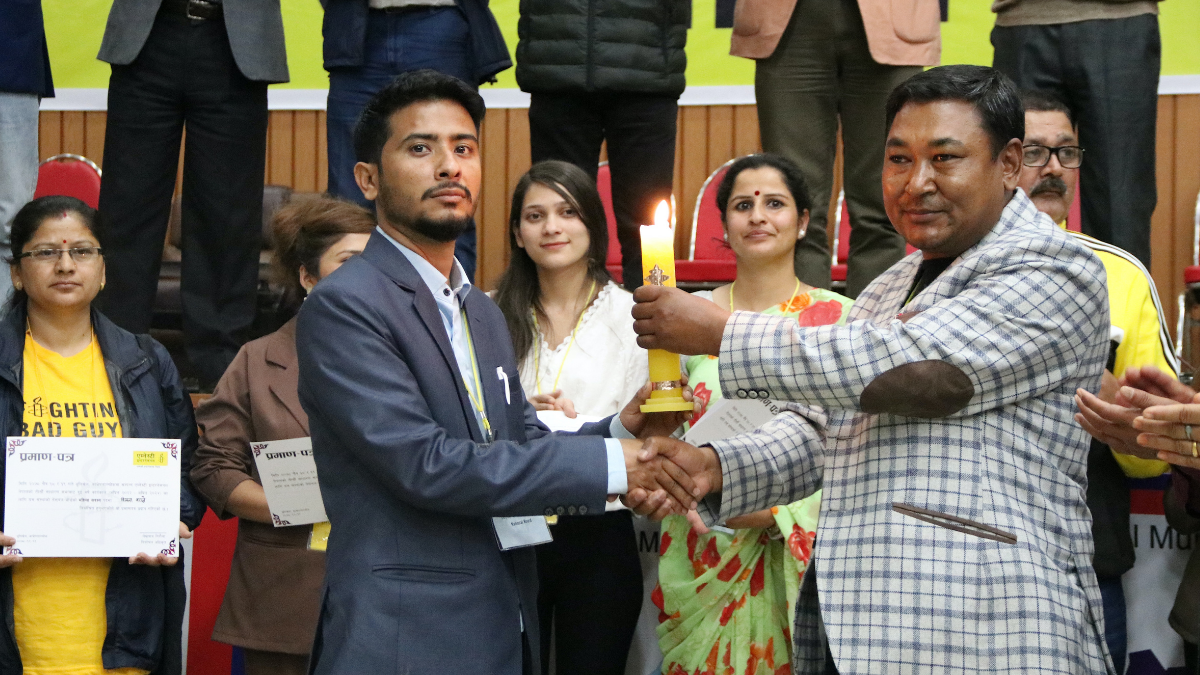
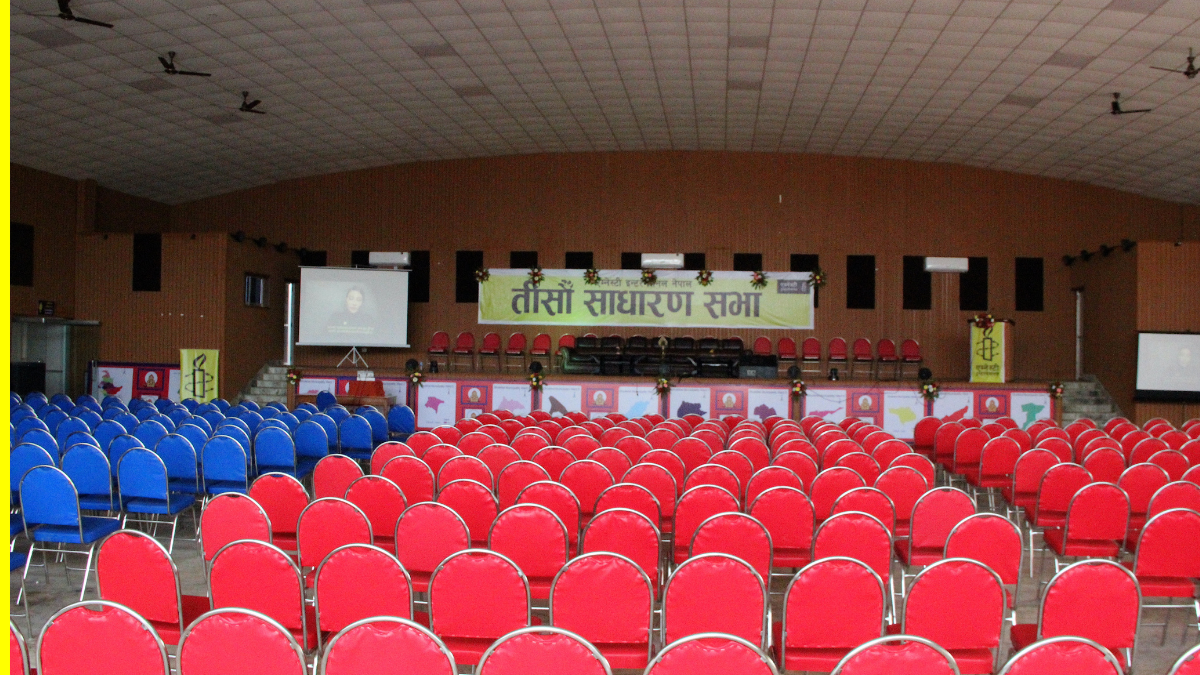
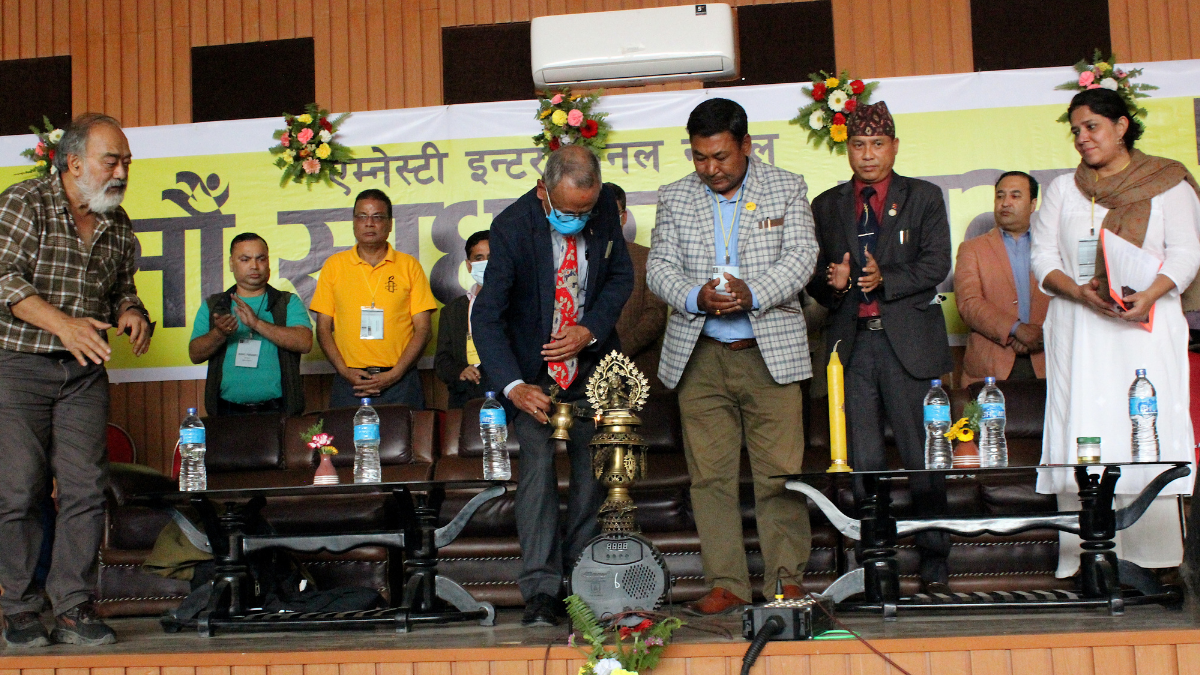
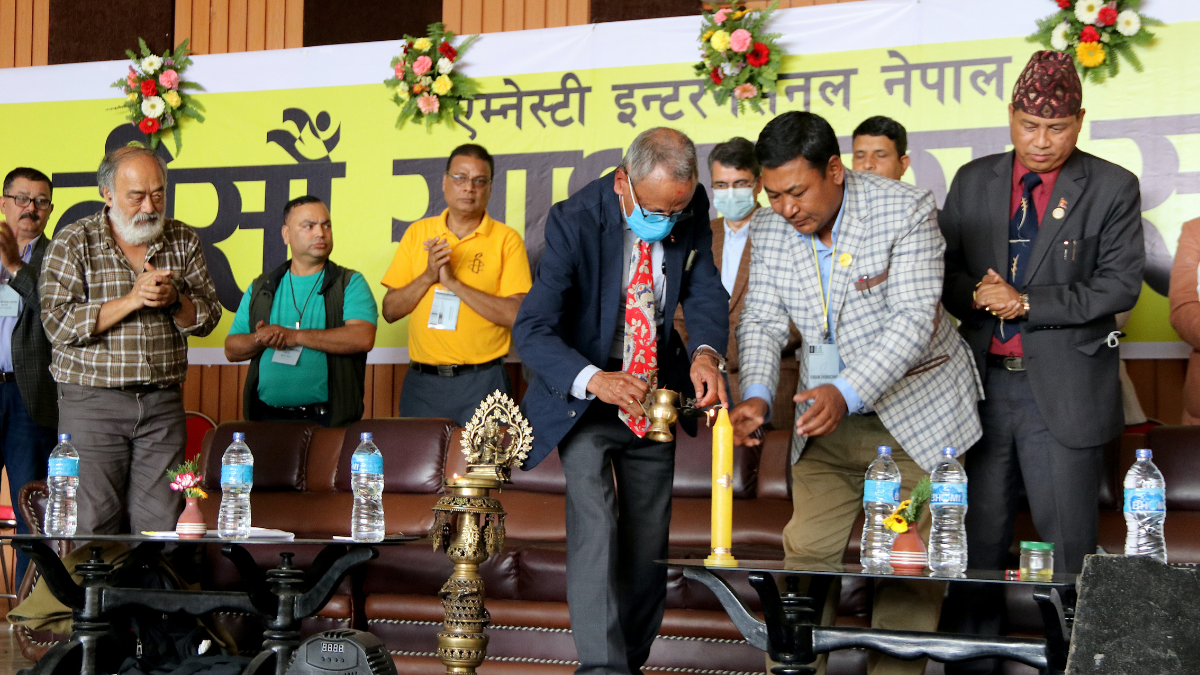
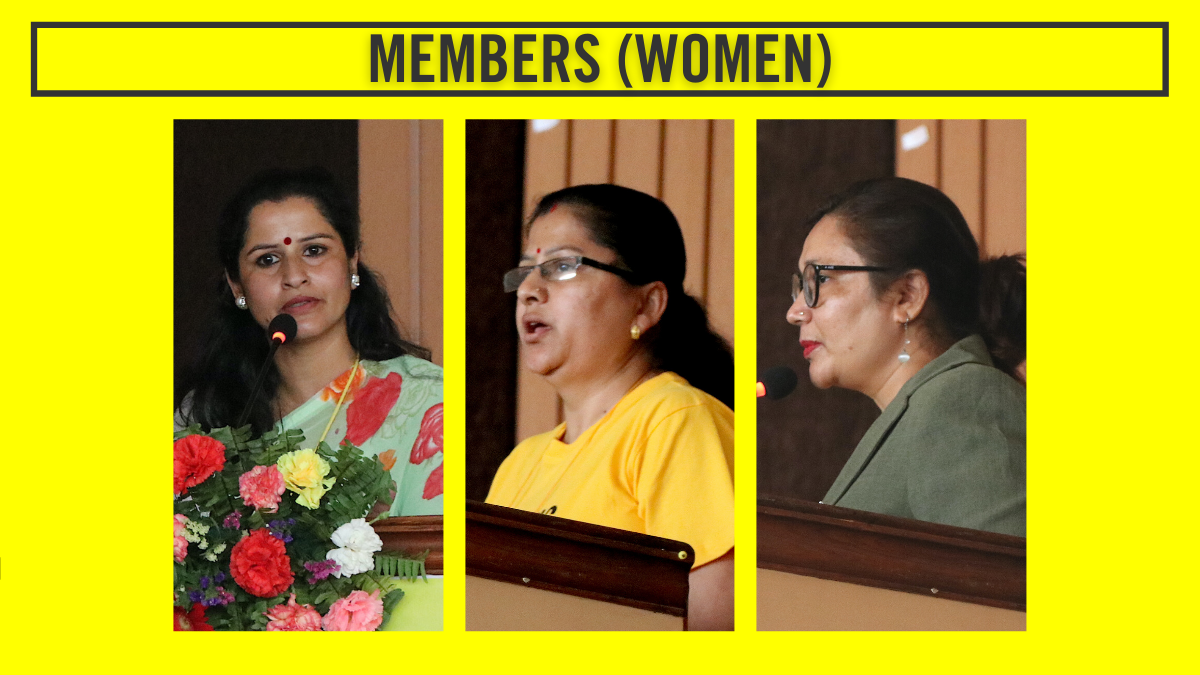
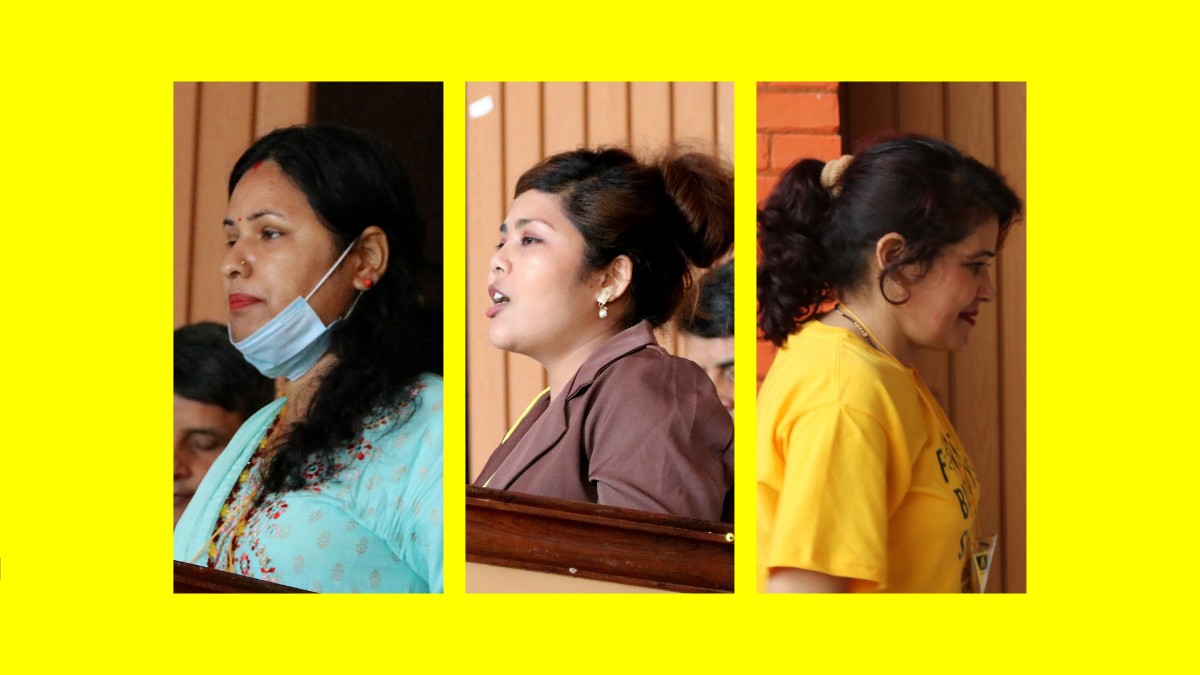
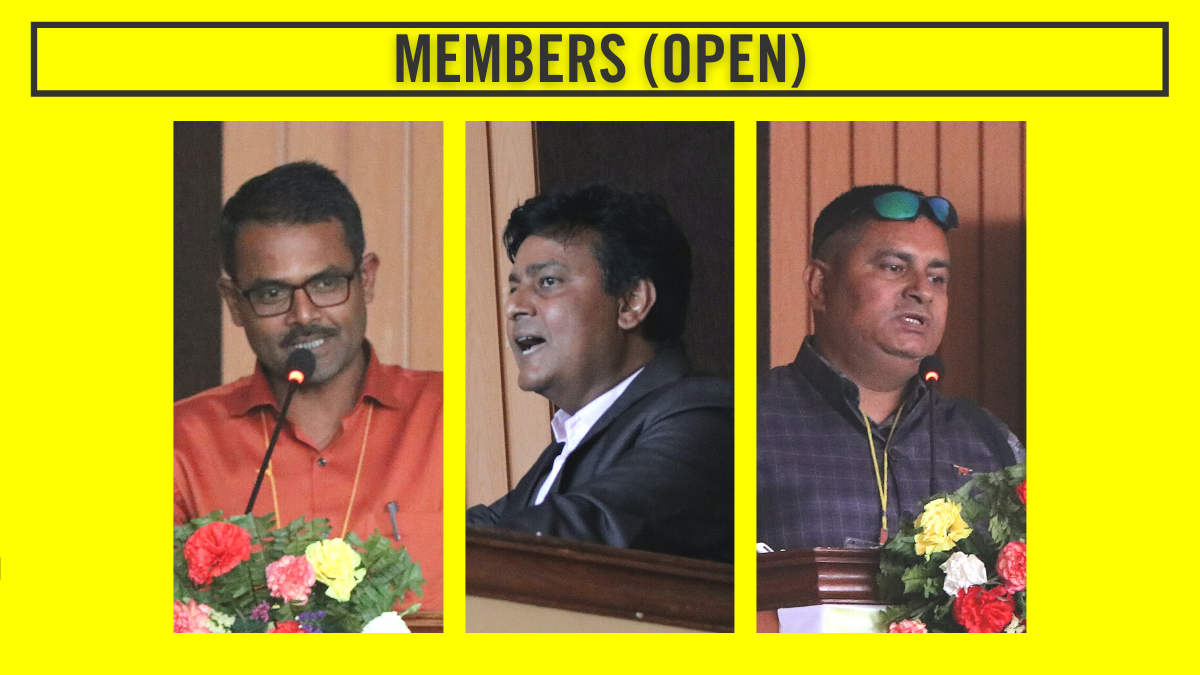
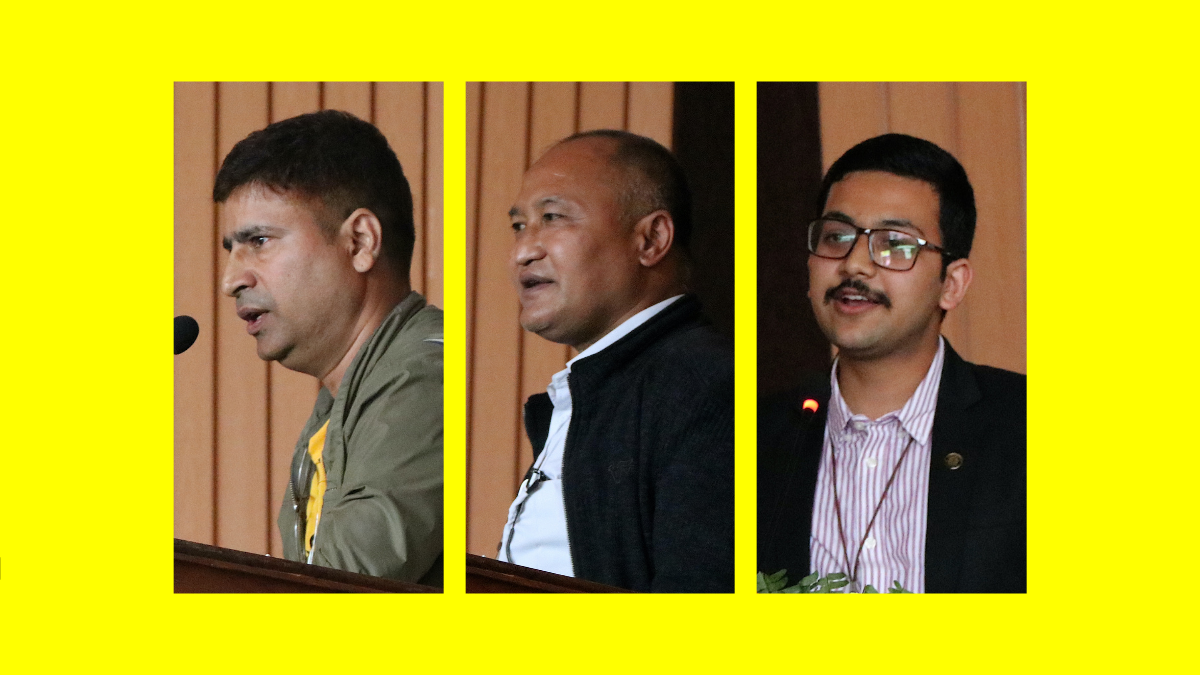
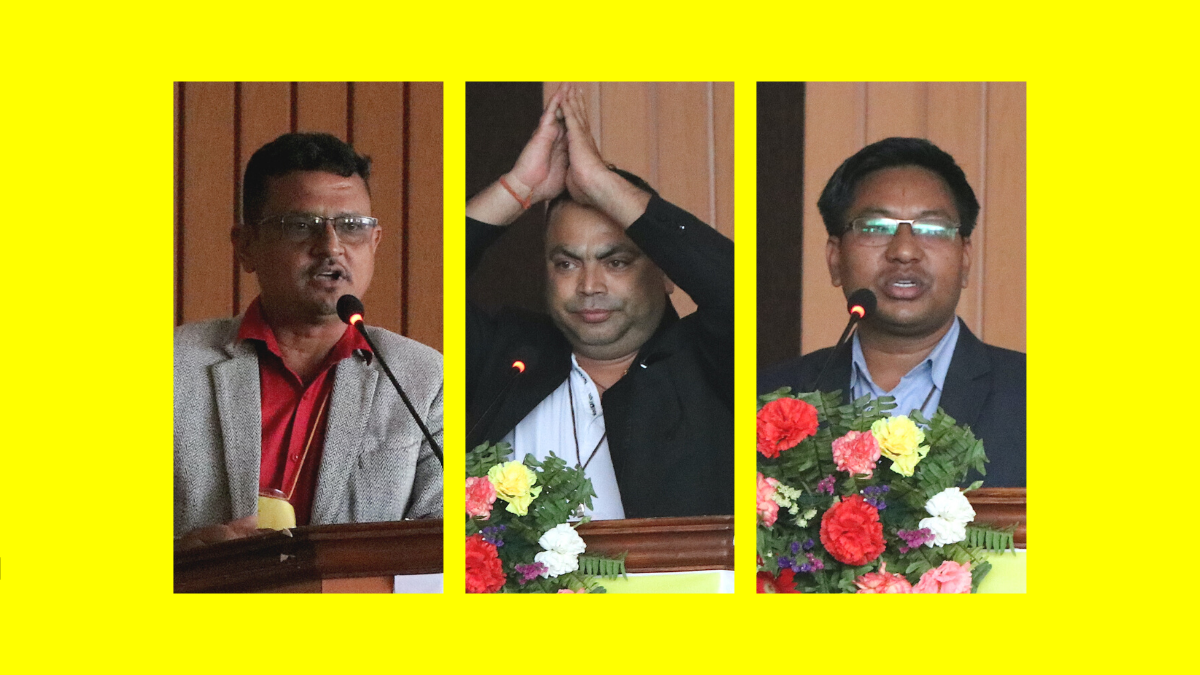
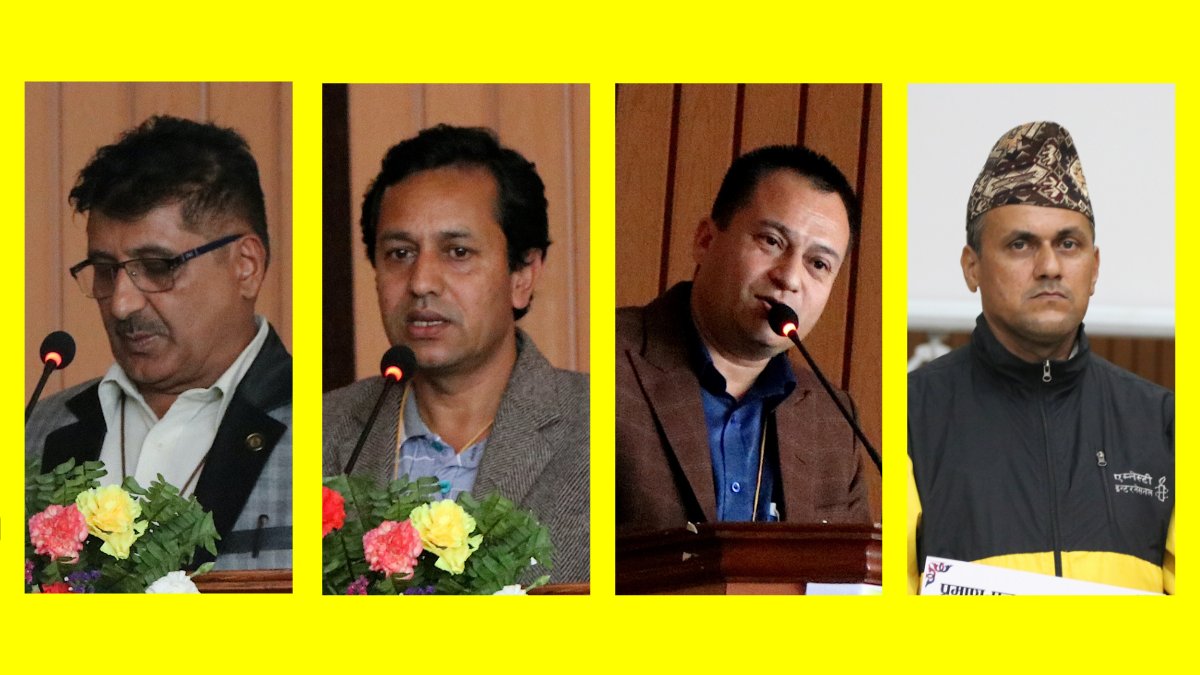
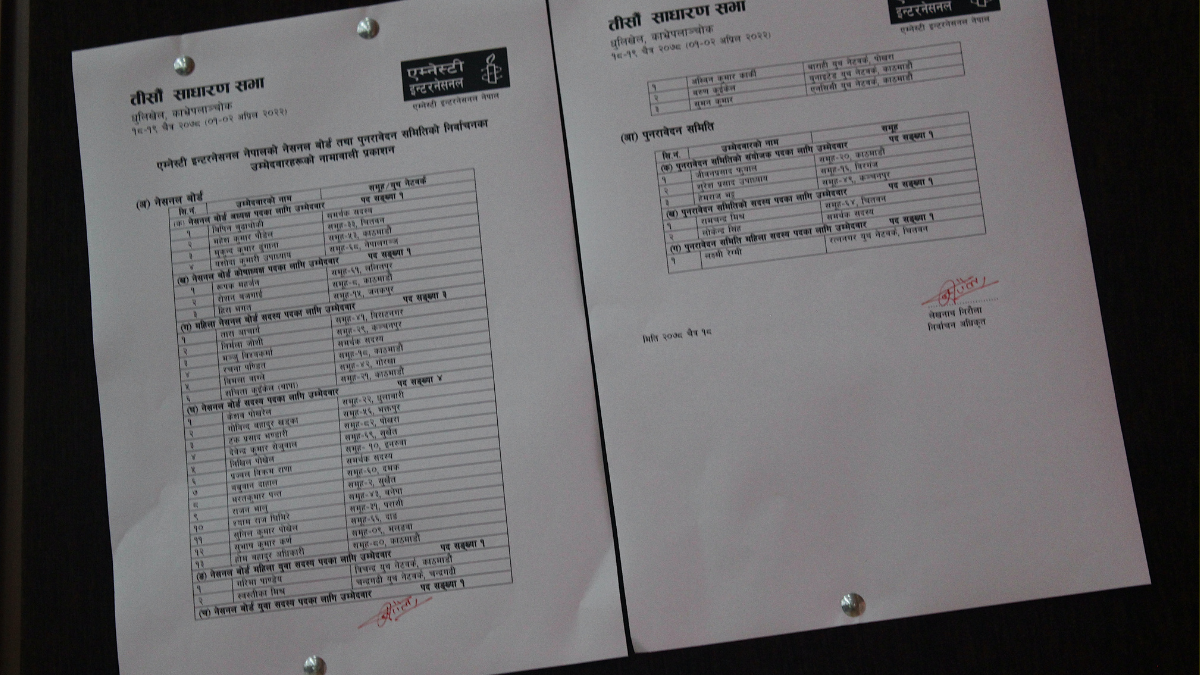
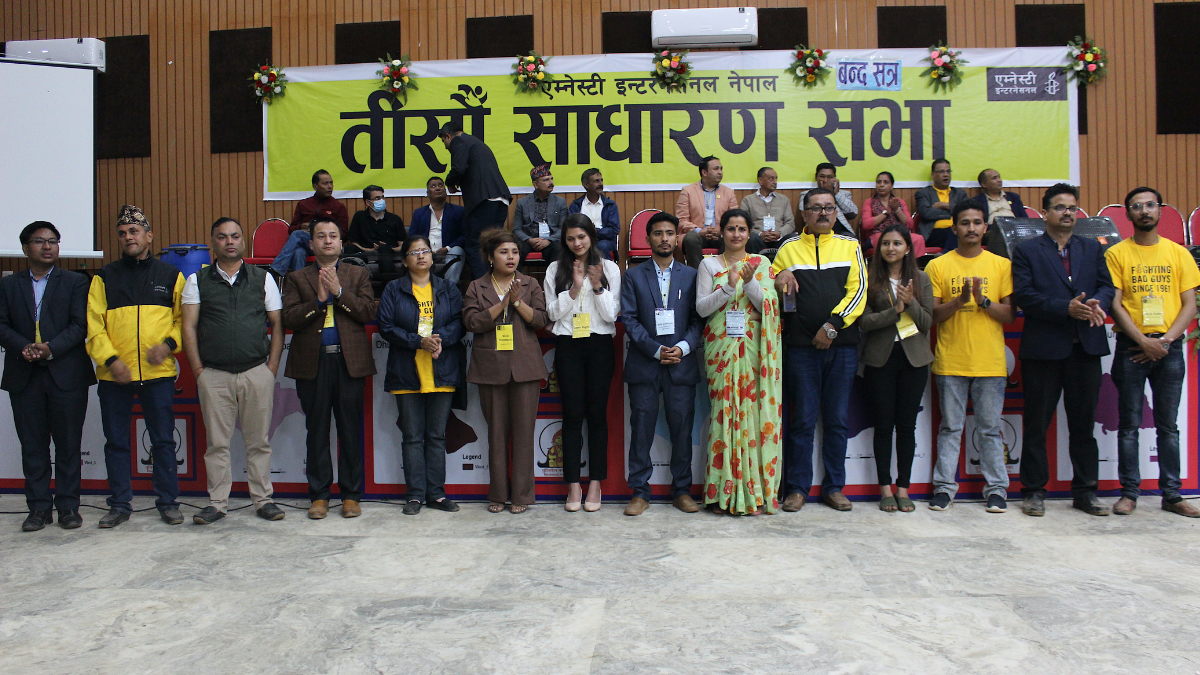
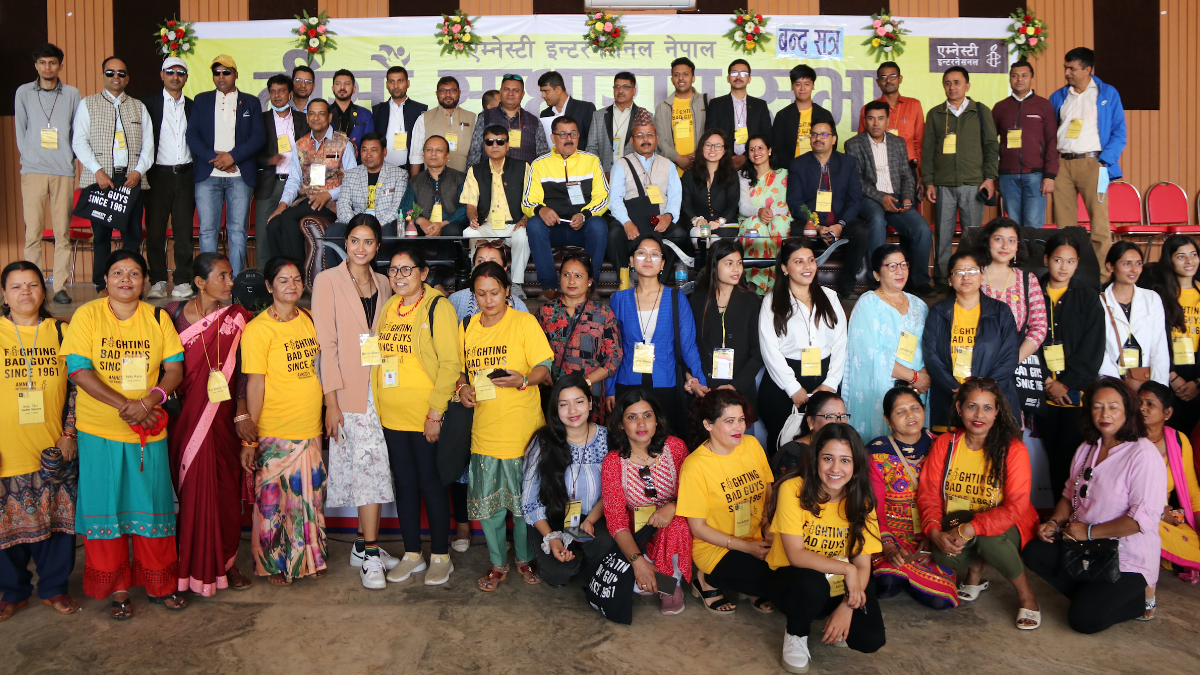
Amnesty International Nepal held its 30th General Meeting (GM) in Dhulikhel City of Kavre on 1 and 2 April 2022. The general meeting passed its annual reports, work plans, budgets, and some policy documents. It also elected a new leadership in its National Board and Appeals Committee for a term of two years.
Over 300 participants including 254 voting delegates from Amnesty Nepal’s groups, youth networks and the constituency of supporter members across the country and its Board and Appeal Committee officials, staff, volunteers, observers, and delegates from the international secretariat attended this general meeting.
On 4 March, Amnesty International Nepal joined a group of human rights activists and civil society members to stage a demonstration in front of Russian Embassy in Kathmandu. They called on Russia to withdraw its armed forces and protect civilians in Ukraine and resolve disputes through dialogues.
Global Day of Action – Olympic Flame for freedom of expression in China
On February 4, Amnesty Nepal and its affiliate youth networks including Kailali Youth Network, Fusion Youth Network and Kathmandu University Youth Network, joined the Amnesty International’s Global Day of Action by lighting the flame for freedom in China.
We cannot let the Chinese authorities use the Beijing Winter Olympics and Paralympics to distract the world from serious human rights violations in China. That is why we light a flame for freedom of expression in China today. #flameforfreedom#Beijing2022#BeijingOlympicspic.twitter.com/vXufAlY6SR
The 30th General Meeting of Amnesty International Nepal that was concluded in Dhulikhel Municipality, Kavre on 1 and 2 April 2022 was unlike any other General Meetings held in the past. There was a significant increase in the number of delegates with voting power, especially youth members. This remarkable change occurred due to a specific reform in the organization’s governance that was made possible by a statutory amendment passed through the extraordinary General Meeting held in September 2021.
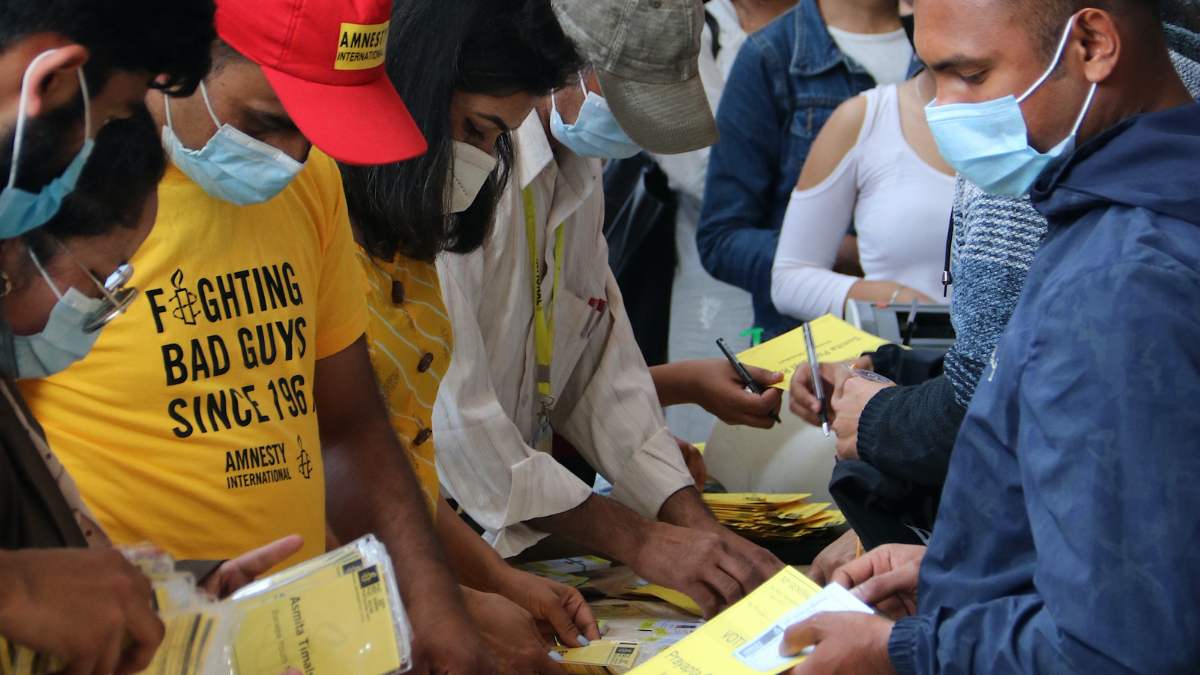
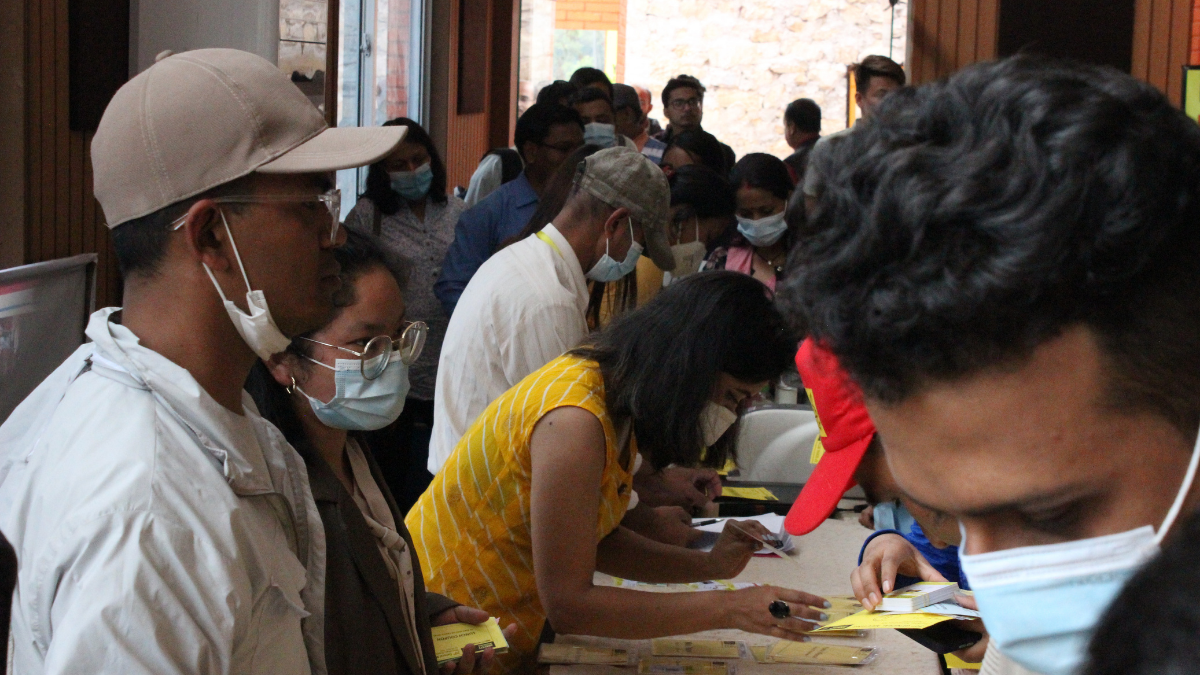
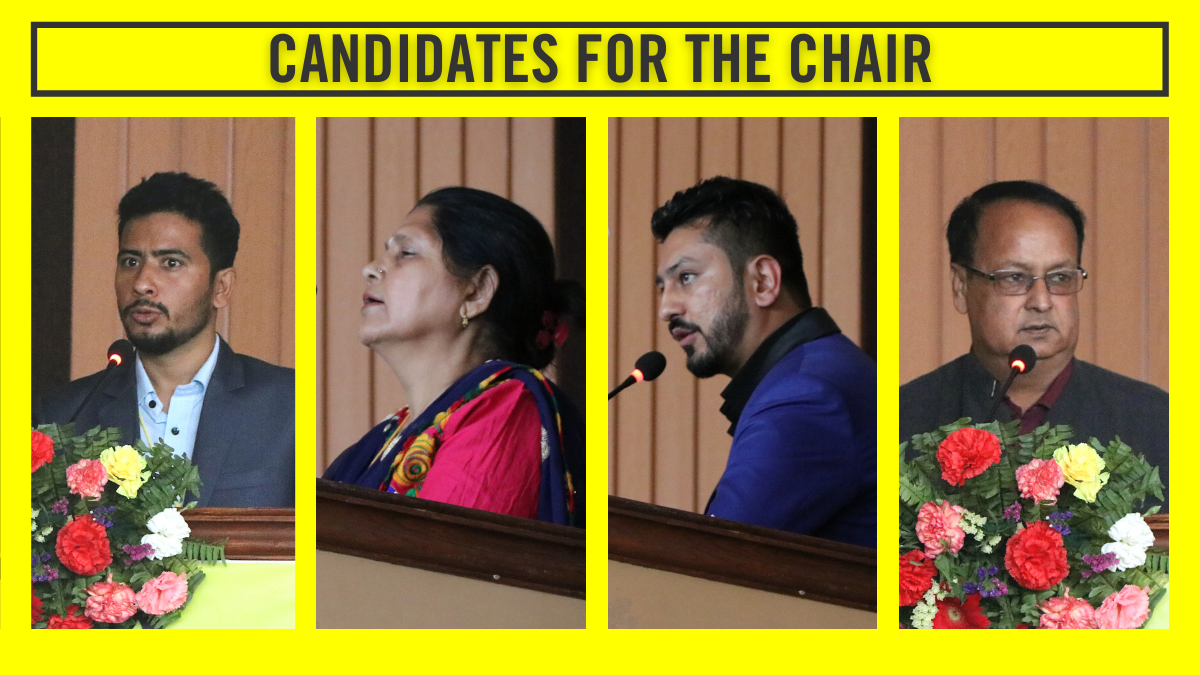
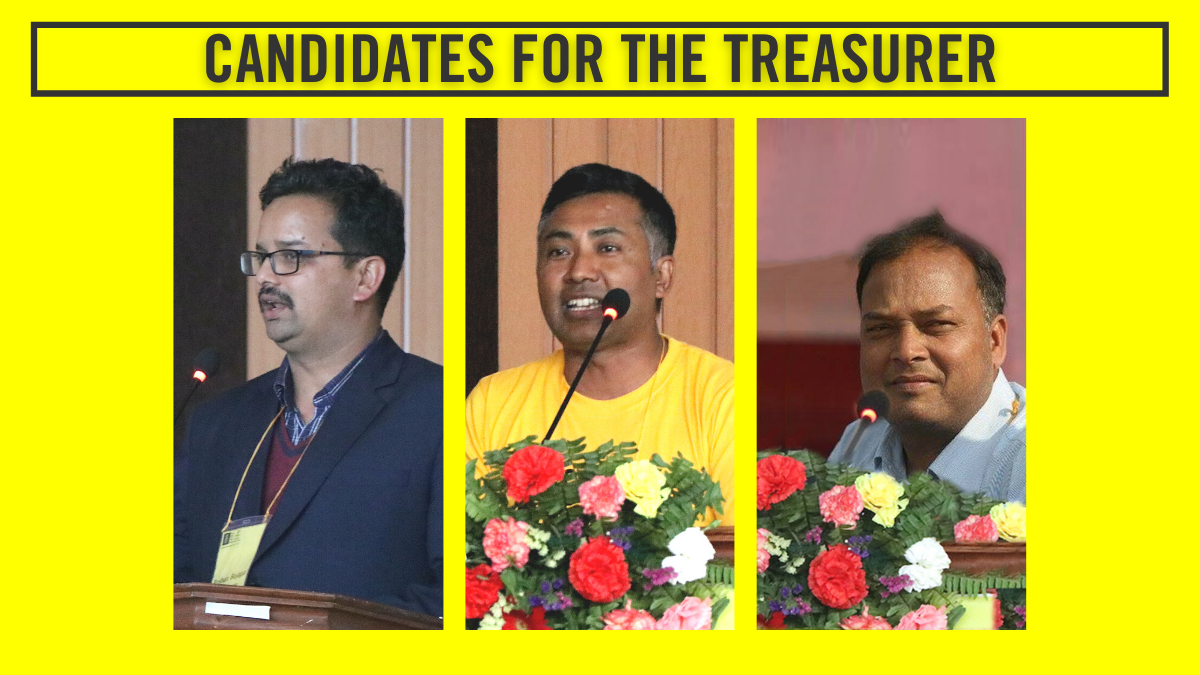
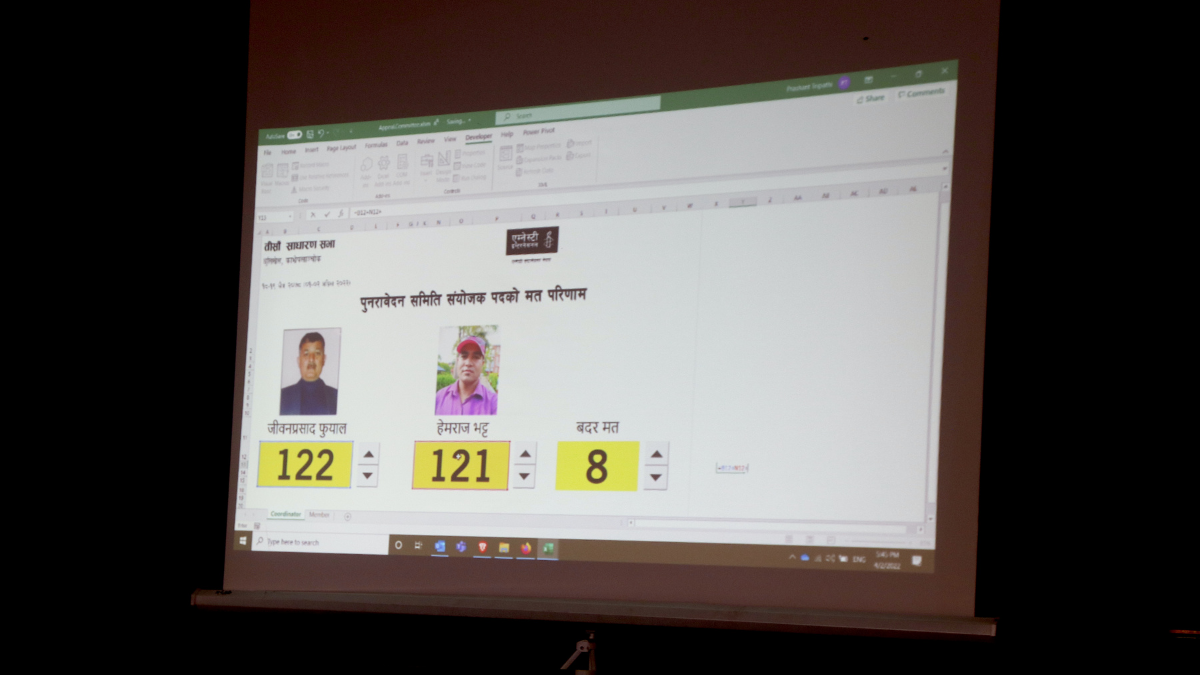
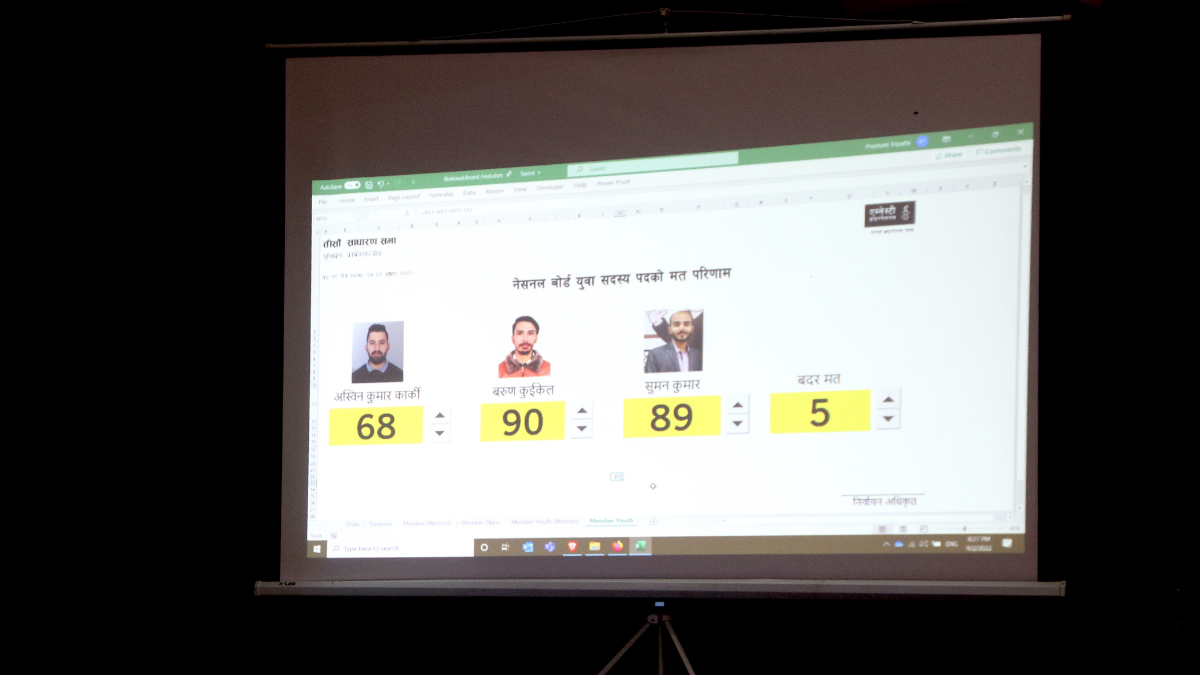
Through a democratic process of secret ballot, a total of 251 voters representing 77 Groups, 49 Youth Networks and 90 supporter members of Amnesty Nepal exercised their rights to choose the leaders of their choice at the National Board and the Appeals Committee roles for a term of two years.
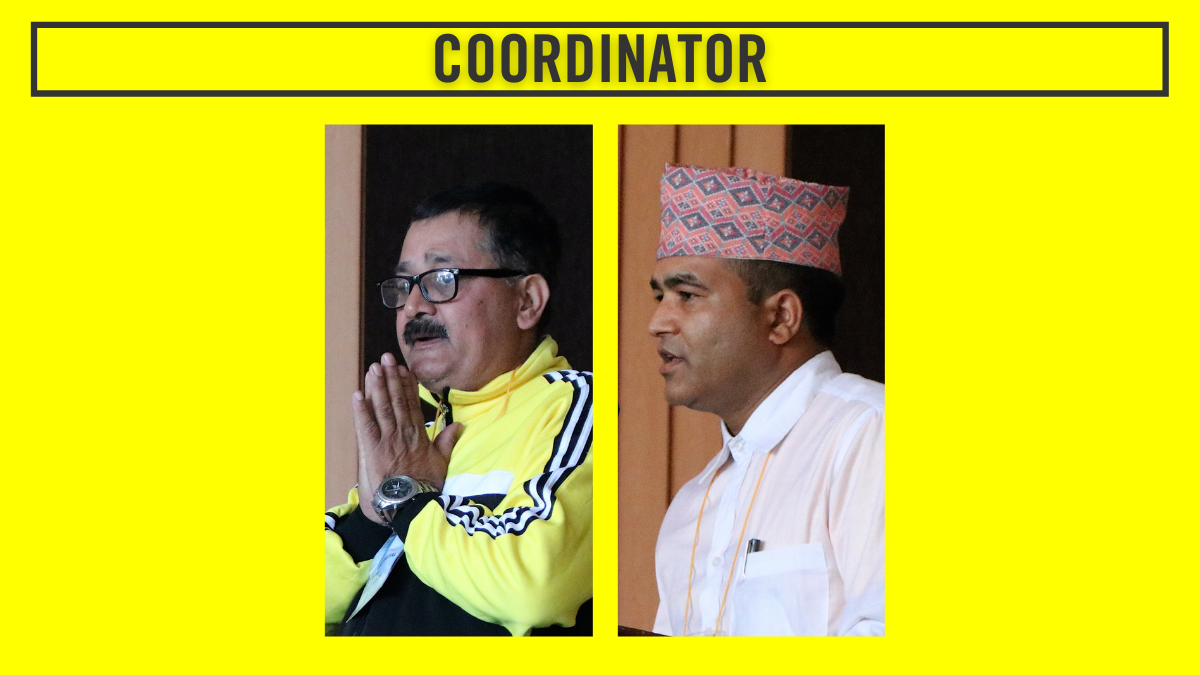
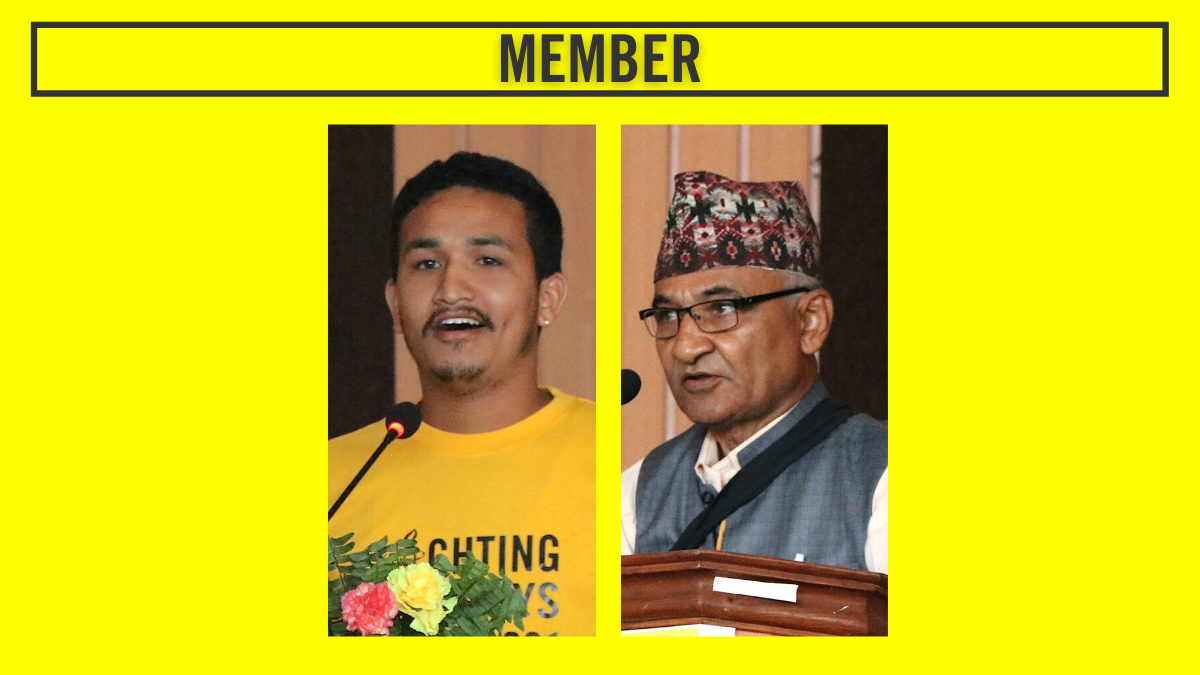
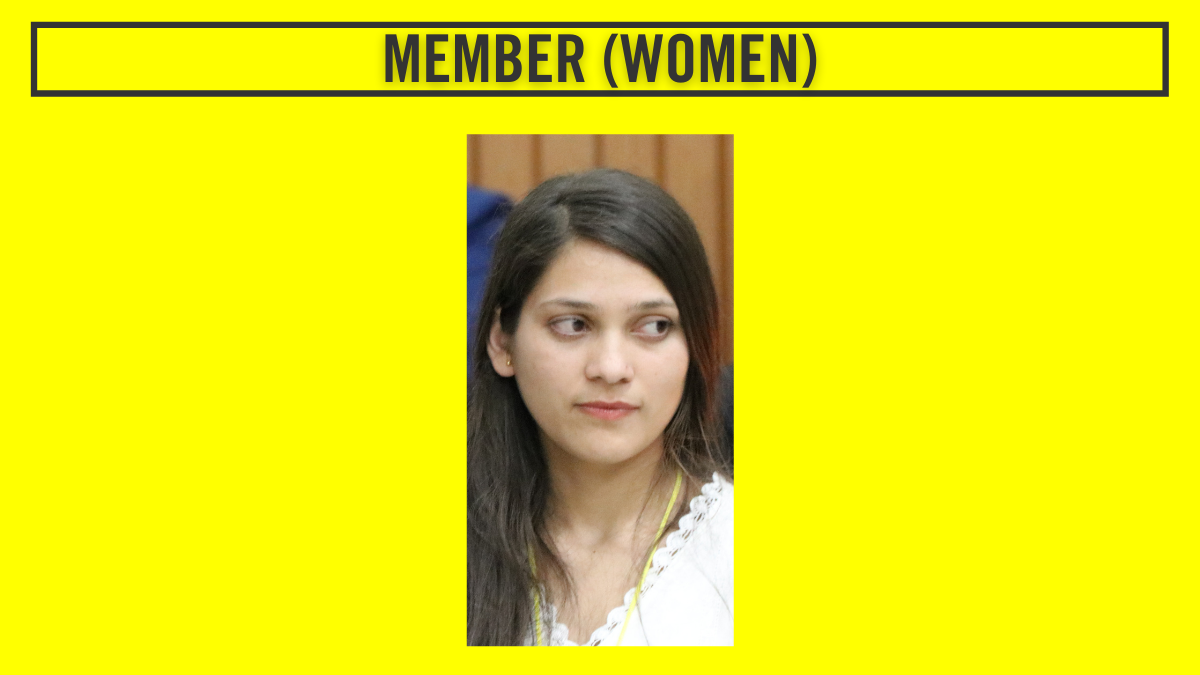
The mandate for youth in action was reflected in the general meeting. As a result, the National Board is currently led by a 26-year-old youth – Bipin Budhathoki – who not only becomes the youngest chair in the history of Amnesty Nepal but is also the youngest Chair currently in the entire Amnesty movement in the world.
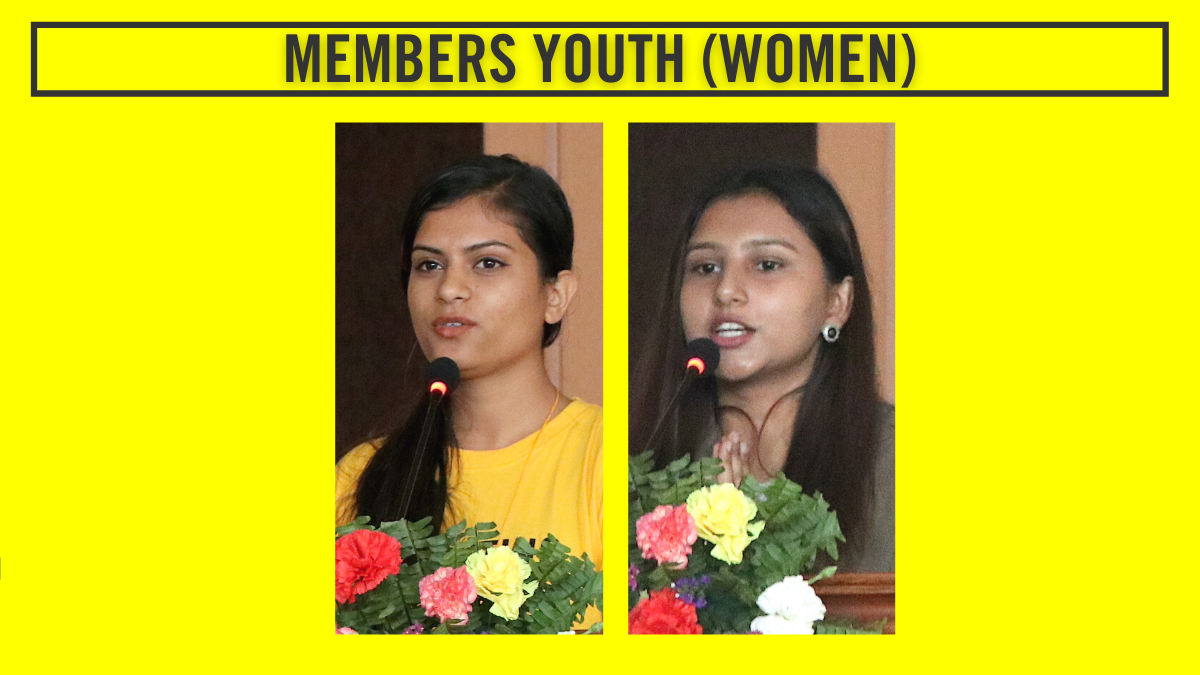
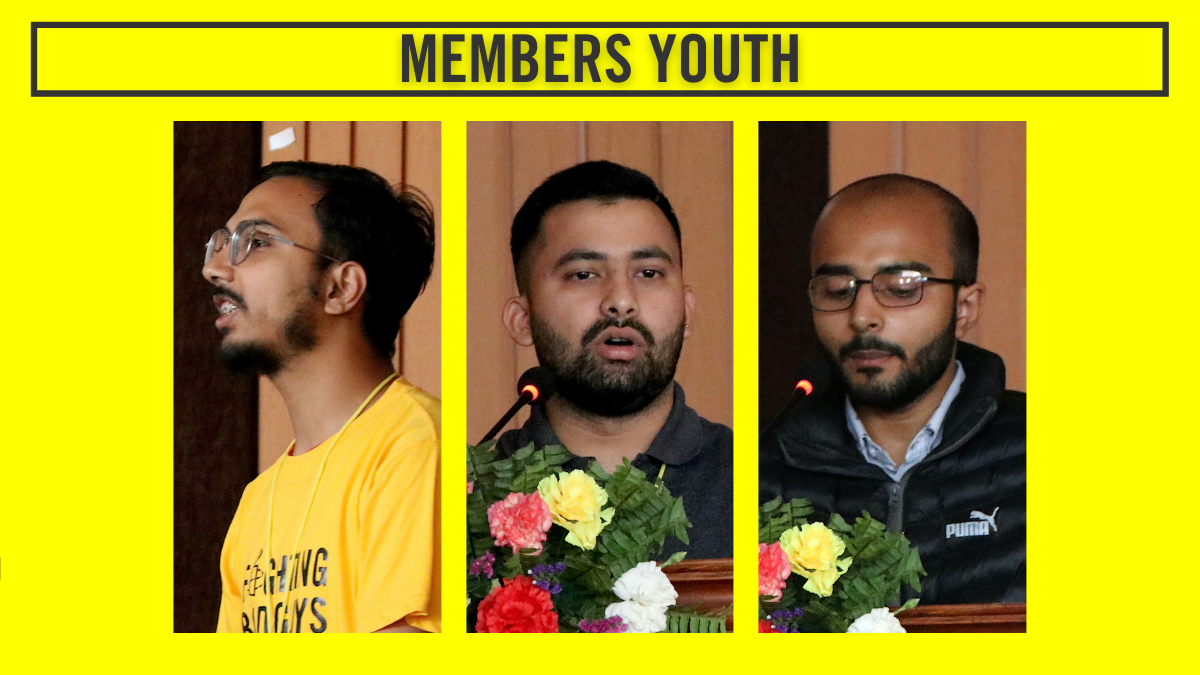
Below here are what these young voters, who exercised their voting right for the first time in Amnesty Nepal’s General Meeting say:
The candidates’ values, and backgrounds. I researched about every candidate in the hope that qualified people will be elected to build a great leading team to fight for human rights. In the election center, the strong presentation by the candidates about their vision encouraged me. There I got a chance to meet many experienced personalities who’ve come a long way to reach where they’re today. Their story of struggle for achieving the milestone made a great impact on me to move forward in a positive way and to contribute something that I can from my level. In the polling center, I read my ballot twice to be sure I had voted for the right people and propositions on my list. I emerged from the polling center with a smile on my face. I felt proud to be voting for the first time in Amnesty International Nepal. I thought of those who fought to provide me this opportunity and thanked them silently. I was anxious to see the result of the election. Like everyone else, I hoped my choices find their way to the national board. I will remember my first time voting with pride, hope, and, most meaningfully, gratitude.
Pratima Dhakal, Kathmandu University Youth Network
Ashesh Giri, TU Youth Network
This AGM of AI Nepal was one of the important meetings as it was held to elect a new board. It was also a special moment for us – the youth members representing youth networks – as we were exercising the right to vote, as ensured through the statutory amendment in September 2021, for the first time in the history of AI Nepal. Talking about the experience, it was really an amazing moment. Meanwhile, we also experienced a bit of a dilemma in our head with regard to who we choose as our leaders who would act responsibly and deliver keeping in mind the best interests of the organization. Nonetheless, we were happy to exercise our franchise, and our sincere thanks are due to those who fought for this and convinced the entire Amnesty movement in Nepal to bring young people to the equal footing.
As being the First Time Voter, I felt like I have become part of a Historic day of Amnesty International Nepal. I was very much aware that my status as a “VOTER” there was secured through a very long and hard fight. What was more pleasing for me was that I was exercising that right. While casting my vote, I felt a sense of “belongingness”. I felt that I belonged to Amnesty Nepal and that my voice, and opinion was not only going to be heard but also making a difference.
Sony Sherpa, Fusion Youth Network
Siksha Prasain, Devi Youth Network
As I am a very fresh member of this organization, I was unknown about the organization. I feel very lucky to get the opportunity to attend this AGM as soon as I became a member of it. I was nervous at the same time. I was worried about how the other people would respond to and if I would feel safe or not. And I was wondering how I was going to adjust in that place. But I was surprised to experience the love of all the members. As I was a very young member in comparison to others, none of the members from other youth networks and groups behaved like strangers. They were so familiar and behaved as if we all had met before. I was happy to be around them. The staff of the Secretarait felt very welcoming and caring. They took good care of us. Apart from the friendships and personal stuffs, I alsogot a very good knowledge about Amnesty International and its objectives. I learnt many things from this AGM. I feel proud to be one of the voters and elect the capable candidates who will take Amnesty International Nepal to next level. I would just like to thank my coordinator for providing me this opportunity. It was a great and unforgettable experience.
The 30th General Meeting was the beginning of a new journey for the youth members of Amnesty in Nepal. Many young members of the movement were present as voters from different youth networks. As a first time voter myself, I got to experience the thrill of the voting procedure and the result announcement. It was exciting to see young people take on the leadership roles for the next two years. I was very lucky to have witnessed and been part of the change process in AI Nepal through this AGM.
Sunam Amatya, Kathmandu University Youth Network
Arya Niraula, HICAST Youth Network
Attending 30th General Meeting not only made me go and attend the program but also made me realize the importance of decision-making capabilities. Voting for the first time was an amazing moment for me with a feeling of constraint. The General Meeting was conducted with a well-maintained schedule which made each participant enjoy the content more. Despite the restriction of time frames, the program was completed in the allocated time, this was the best part of the program.
While the politics, influence and manipulation by respective parties was something that I hadn’t expected as a part of an organization like Amnesty International, I would tell that the organization did a great job by giving youth the place they deserve and opening the doors towards welcoming new ideas and creativity from the youths. Overall, the expectations were met and I got a feeling of worthiness as a youth representative.
Renisha Ghimire, Fusion Youth Network
Roshani Pathak, TU Youth Network
First of all, I would like to thank AI Nepal for letting the youth representatives to participate in the AGM for the first time. We all know that although the Youth Networks are also an integral part of AI Nepal, they were not allowed to participate in the previous AGMs. Giving voting rights to youth delegates in this AGM was a sensible path chosen by the AI Nepal leadership. It served as a huge opportunity for us and provided a great experience. We were really able to choose diligent, energetic and passionate youth leaders for this tenure democratically and we are very pleased at that. Youths come with new ideas, opinions and visions and have power to change the society. So we’re pretty sure that the newly elected board will do its best to fight for the critical human right issues and bring change in society.
It was a great and remarkable experience for me to participate in 30th AGM of Amnesty International Nepal. It was a great opportunity to me, including all the youths, to explore oneself and be independent to take own decision in order to choose a leader. We did it. The environment during those couple of days were extraordinary. And yes, I really enjoyed all those moments. Similarly, I got to know many information about Amnesty Nepal’s General Meeting processes, and it was a pleasure meeting all members, volunteers, staff and the former Chairs. Getting this opportunity to attend and contribute to a very big event of Amnesty Nepal for a young member like me was something that was possible due to the the recent changes in the governance of Amnesty International Nepal, and I feel indebted to all those who made “the impossible” until few years ago possible. Thank you for the opportunity!!!
Sony Lama, Joseph Youth Network
“It was awesome to be a part of such an interactive program.”
— Simran Kumari Nath, UCMS Youth Network
The inclusion and equal participation of youth members and individual members of Amnesty Nepal in the General Meeting has not only further liberalized and democratized the governance of Amnesty Nepal but is also expected to charter a clear, robust and focused human rights direction in the days to come.
Welcome to The Candle, the Official Blog of Amnesty International Nepal. On behalf of the National Board, I would like to extend my heartfelt thanks to the National Secretariat for initiating this.
Like the physical world, our presence in the virtual space is equally important since we live in the digital era. The importance of virtual presence has been felt, realized and then materialized exponentially after the world was hit by the Covid-19 pandemic. Going digital is a compulsive choice we can hardly afford to compromise in the present world. This is about not only being smart but also about being more prompt and effective. And it has other comparative values such as low cost, efficiency, fastness, and most importantly the eco-friendliness. Therefore, I sincerely do hope that this blogzine will prove to be an effective tool for us all in amplifying our voices to protect and promote human rights.
This is the first initiation of its kind that Amnesty International Nepal has taken after the newly elected National Board took office on 3 April. As the Chair of Amnesty Nepal, I would like to reassert here that we will gradually move ahead in accordance with the mandate and the direction given to us at the AGM based on the commitments made by me and the rest of the members of the current Board in particular to prioritize human rights issues and to further strengthen AI Nepal’s institutional reform.
We will start discussions and consultations with all the stakeholders to decide on Amnesty Nepal’s strategic goal and the direction for the next five to eight years, including the future financial viability and sustainability of the organization. We will also initiate discussions to build our relations with the International Secretariat, the International Board, and other sections stronger and more vibrant.
As per the Memorandum of Understanding reached between the International Secretariat and the previous National Board, the institutional reforms in Amnesty Nepal’s membership structures (groups, youth networks and individual/supporter members) will now be the principal agenda not just of the Board but of the whole movement of Amnesty in Nepal. For this, we will hold a wider discussion and consultation to obtain opinions, advice, and suggestions from everyone. The core mission for all of us will be to make Amnesty Nepal more democratic, more effective, more efficient, and dynamic so that it can achieve its human rights goals with ease, efficiency, and greater impact.
Also in this context, I would like to take this opportunity to extend my heartfelt best wishes to you all on the occasion of the New Year 2079. May the year 2079 be the best of years and may it bring prosperity and betterment to all of us, may the Amnesty Movement in Nepal take a new leap; may we achieve new progresses on human rights issues, and may we see that the Nepali society is founded on the rule of law and that it becomes more human rights friendly!
Last but not the least, I extend the best wishes to the Secretariat for the success of The Candle. Let’s make The Candle a forum for both Amnesty Nepal and the human rights community to exchange their voices, and actions for the protection and promotion of human rights.
Thank you!
Bipin Budhathoki Chairperson, National Board, Amnesty International Nepal
Amnesty International is not just a human rights organization defending the rights of people across the globe, but it also serves like a school or academy, empowering people to build knowledge, develop skills and foster attitudes that promote equality, dignity, and respect. In other words, you can learn human rights at Amnesty, and take actions in claiming or defending them.
To claim or defend your rights or the rights of others, understanding human rights is equally important as it empowers you with knowledge and skills required in claiming them. The words of Eleanor Roosevelt, who was the first Chair of the UN’s Human Rights Commission and led the drafting of the Universal Declaration of Human Rights very aptly highlight the significance of human rights education. She says: “Human Rights carry no weight unless the people know them, unless the people understand them, and unless the people demand that they be lived”.
Amnesty International’s human rights education programme caters to the need of everyone learning about human rights. Here are some tools and techniques that Amnesty has developed to educate people about human rights.
AMNESTY’S HUMAN RIGHTS ACADEMY
Amnesty International offers several free courses on human rights issues in Amnesty’s Human Rights Academy. Amnesty started the learning platform to strengthen the human rights movement through action-oriented education. You can also get certificates of completion on some of the courses available in the academy.
Rights Arcade is a free interactive game developed by Amnesty International to strengthen the human rights movement through action-oriented education. The games boost players’ knowledge about human rights and encourage people to take actions on human rights issues. The game app aims to educate the next generation of human rights defenders about rights such as freedom of expression and freedom of peaceful assembly. The mobile app is available to download on Play Store and App Store .
The game app was officially launched in Nepal on 24 January, the International Day of Education 2022. In the launch event organized on Zoom Platform, guests including Mohna Ansari, a former member of the National Human Rights Commission, Storyteller Saigrace Pokharel, Murari Kharel, the Acting Secretary of NHRC spoke about the values of human rights education. Amnesty International’s Human Rights Education Coordinator for Asia Pacific, Somya Dimri, and Director of Amnesty International’s South Asia Regional Office were also present at the Nepal launch of Rights Arcade.
OTHER RESOURCES FOR HUMAN RIGHTS EDUCATION
Amnesty Nepal has produced human rights education-related resources in Nepali and also some local languages. The publications including Amnesty’s Human Rights Handbook and the Universal Declaration of Human Rights translated to Nepali, Tharu, and Maithali can be downloaded here.
Amnesty Nepal also has illustrative videos about human rights which can be found on its YouTube channel.
Learn about human rights
Role of Amnesty members in Amplifying human rights works
Members of Amnesty Nepal from various groups and Youth Networks have played an important role in expanding the reach of human rights education acting as multipliers and conducting multiple human rights education sensitiation events and sessions at the local levels.
I am pleased to announce that Amnesty International Nepal is starting from today a novel initiative. We are launching a news blog which we have named The Candle. The Candle will henceforth replace the E-newsletter being sent out to the membership via email.
It will be a live web post updated on a regular basis with newer contents. It will belong to all the members of Amnesty Nepal and will serve as a learning and sharing platform with opportunity for all to express themselves about what they feel about their human rights activism and to share ideas, views, opinions and feelings about their journey as a human rights defender. We will strictly limit ourselves to talk about human rights issues here. By human rights issues, we mean all that we do, think we should do, or plan to do as part of our awareness, sensitization or educational efforts or as part of our research, campaigns and advocacy efforts. We can also have positive and inspiring stories about our engagement, participation and/or inclusion in the organization’s governance processes in this post.
An interesting feature of the Candle is that it will be an online open communication tool where all interested members can join openly not only to comment and provide input but also to share, care and learn from each other. As we have emphasized, highlighted and internalized on several occasions, human rights activism is about defending the rights of all including ourselves. Being part of human rights advocacy and activism is definitely self-empowering, but what we should also be careful is that it’s not about gaining power for the self, or a tool to advance self-interests or selfish causes. We are part of Amnesty or of any other human rights activism platform for that matter to support those who need our support, to add voices to those who are voiceless or whose voice is thinned out in the cacophonous apathy and humdrum that comes about through the selfish power games in the increasingly hostile world that we face.
I invite all the members and supporters of Amnesty who care and share the human rights values and principles to join and contribute to this blogpost. As stated above, you can freely share your feelings, ideas, knowledge and experience. Express yourselves in whatever form and way you want – through fine arts, music, drama, song, poetry, blog, vlog, story, essay, cartoon etc. and in whichever language you are comfortable with – English or Nepali. The contents will however be vetted and moderated to align with our principled positions and to maintain quality standards.
The Candle will be true to its name. We will use this platform to illuminate the darkness, and not to curse it. What we know deep down is that we happily burn ourselves to enlighten others. I would like to end my message here quoting our founder Peter Benenson:
"The Candle burns not for us, but for all those we have failed to rescue from prison, who were shot on the way to prison, who were tortured, who were kidnapped, who disappeared. That is what the Candle is for."
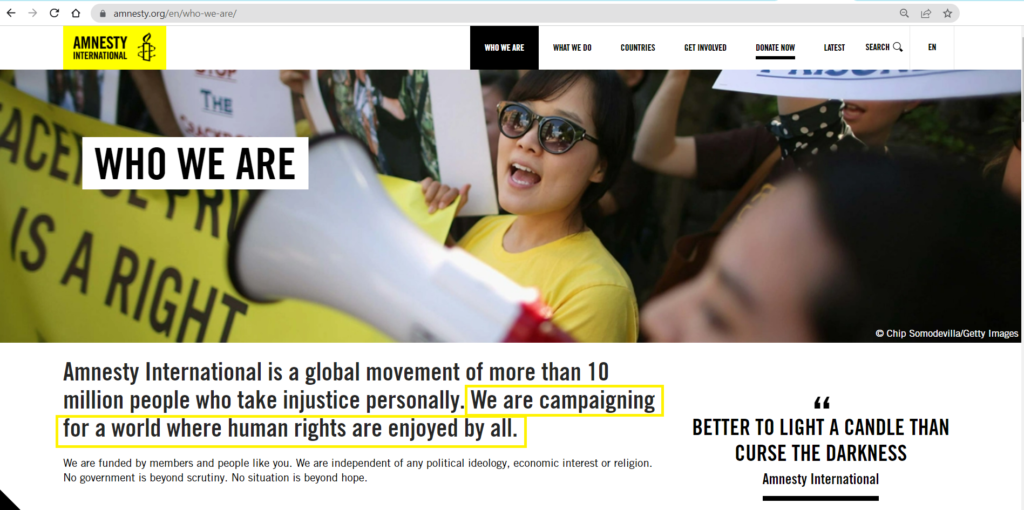
Do you know that Amnesty International is a campaign-based organization? When you click on the “WHO WE ARE” menu of Amnesty International’s website, and scroll down, you will come across a sentence about Amnesty International: We are campaigning for a world where human rights are enjoyed by all.
This shows that Amnesty International (AI) defines itself as a campaigning organization that works to bring about human rights change in the world with a clear vision that all human beings are born free and equal in dignity and rights. The organization campaigns for change, based on research exposing human rights violations. Campaigning is the core work of Amnesty International. In this blog, first I will briefly discuss what a campaign is, then introduce different types of campaigns that Amnesty International undertakes, and finally I will share various ways to be a part of the campaigns.
What is a campaign?
Generally, a campaign is a highly focused, time-bound, and winnable project, strategically planned, coordinated, and communicated to achieve explicitly defined external goals and objectives. To be specific, a campaign uses a range of tactics (at a minimum research, communications, advocacy, mobilization), with a high concentration of human and operational resources.
Campaigns are developed and delivered at the global, regional, or national levels depending on the target and pressure for influencing that target. It requires various levels of well-coordinated movement-engagement depending on its strategy and its level of priority.
When it comes to the Global Campaign, the entire AI movement gets engaged, though Sections decide where they are strategically important in relation to their region or to other regions (e.g. trade partners, donors, etc.) in the context of the campaign strategy. For regional campaigns, International Secretariat-led country-focused campaigns or section-led campaigns, specific issues are picked up and actions are taken accordingly in a particular region or country.
Ideally, a campaign should be established when there is a clearly identifiable opportunity to ‘win,’ and should be run within a limited timeframe typically for a period of between six months to two years. An integrated approach using multiple tactics should be adopted throughout the lifespan of the campaign.
For the campaigns, we basically adopt two methods: Oppositional and Promotional. The oppositional method includes the actions against any form of human rights violation or atrocities committed by any state, non-state or any other party in any place. Actions such as sit-in protests, demonstrations and press release could be the examples of oppositional campaigns. On the other hand, actions that promotor create awareness on human rights, and lobbies for strengthening legal mechanism are instances of promotional campaigns. Human rights education program, capacity building trainings, dissemination of information, education and communication materials are the actions under promotional campaigns.
Amnesty International’s Campaigns
Some of the key types of various campaigns that are run by Amnesty International are follows:
Urgent Action: Short, reactive actions that quickly mobilize thousands of AI supporters worldwide for individuals at risk over a 4-6 week. Usually Amnesty members/supporters write letters/emails to the concerned authorities
Tactical Campaign: Ad-hoc, Short-term campaigns that take advantage of opportunities for mass mobilization, eg. World Cup, Head of State meetings/visits.
Crisis Campaign: In the face of urgent human rights crises – this could be the result of conflict, coups or other events that result in sudden, widespread, and serious human rights violations.
Rapid Response Action: Immediate campaign on a subject. Such action is required to act immediately on any unforeseen violations or unforeseen event.
Be a part of AI Campaign
Amnesty International calls everyone to be a part of its campaigns. Anyone can contribute to the ongoing campaigns in various ways.
Signing the petition or writing letters
Sharing the call to action on social media
Taking part in the demonstration or other similar activities
Becoming a member or attending the campaign events
Spreading the message about the campaign in different platforms
“I hate to call it crossfire, what rapid action battalion attributes for the custodial deaths, as there must be two parties in any such incident. But the reality is the just found body of the victim” – Irene Khan
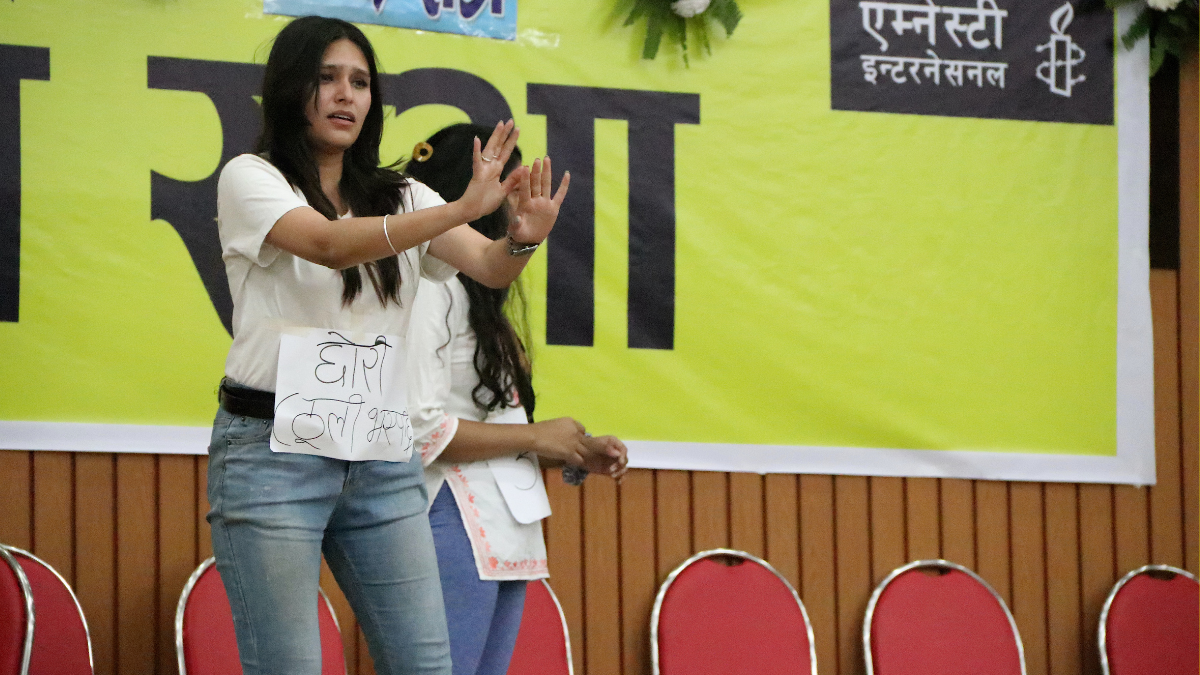
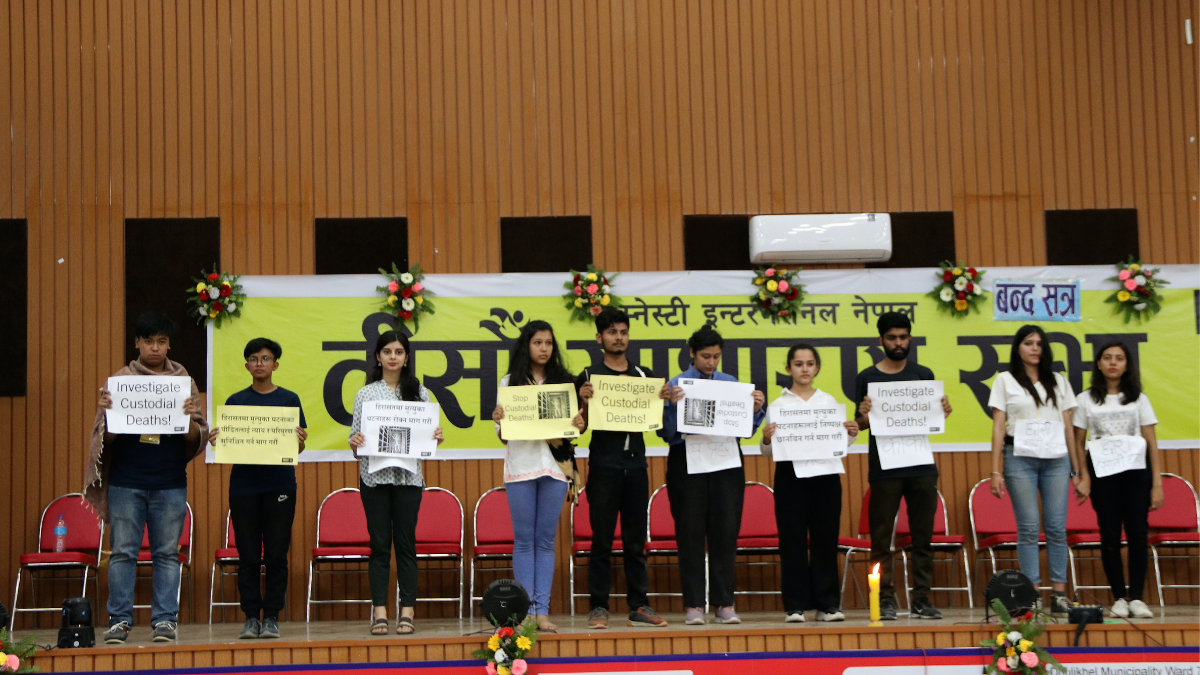
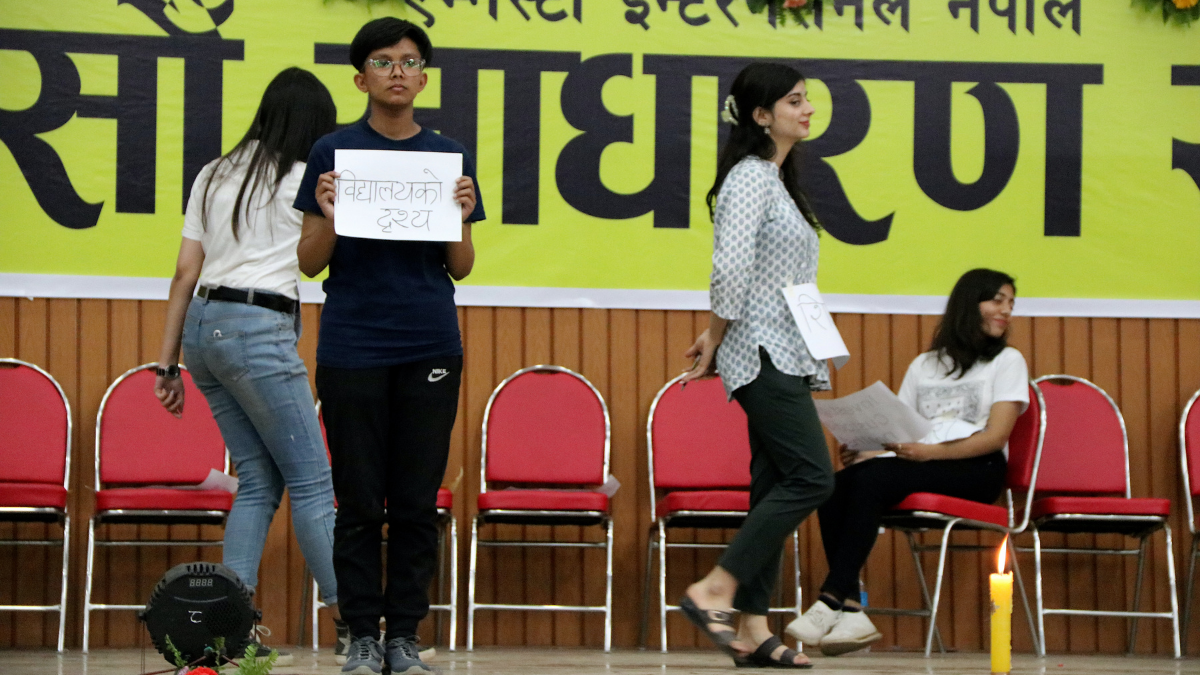
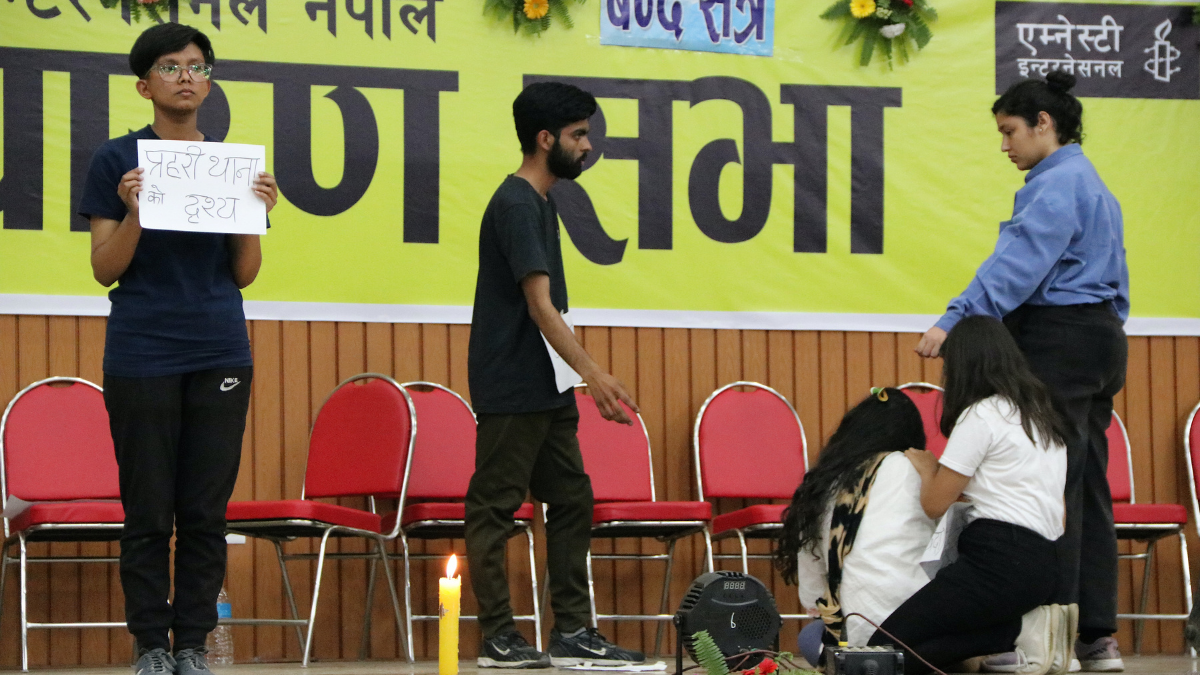
On 1 April 2022, the first day of Amnesty International Nepal’s 30th General Meeting, we (a team of members from Amnesty International Kathmandu University Youth Network) performed a lyrical drama showcasing how deaths happen during abusive investigatory practices in Nepal with almost no accountability in such cases.
Here’s the plot:
A girl dreamt of being a police officer and serving the country and people. However, an incident adversely affected her life. One evening, police arbitrarily arrested her father. They physically and sexually abused her mother and uncle just because they were trying to defend him arguing that her father was arrested on false charges. At the tender age of 14, she witnessed her father screaming for life and her mother and uncle begging for him to be spared of his life. She also witnessed how the police brutally beat up her uncle when he refused to accept inducement he was offered by police.
That very incident turned her life upside down. The patches of memories are still alive in her soul, which never allowed her consciousness to forgive those who tried to weigh up her father’s life with thousand notes of five hundred. Although the incident did affect her life in the beginning since she took it to heart, later she looked at it with a different perspective and she recalled her dream of becoming a police officer. Now she is determined that she wants to be a responsible and accountable police officer. She wants to bring reform in the abusive investigatory practices so that those at police custody do not lose their lives. Reform starts from an individual, and she wants to be the initiator for change.
The performers acted in such way that they deeply fit themselves into the pains and the suffering of the characters in the drama. Their performance with clear messages sensitized the audience. Although the act did not show the exact cause of death, it presented circumstances leading to a mysterious death in custody that was not properly investigated.
WATCH the performance recorded by one of the audiences and uploaded by Amnesty International Kathmandu University Youth Network in its YouTube.
Custodial death generally refers to the death of a person occurring during custody, directly or indirectly caused by and substantially attributable to acts committed upon the deceased while in custody. It includes death occurring in police station, private or public places, medical premises or in jail. It may also include death occurring while a person is being arrested, taken into detention, or being questioned.
In Nepal, there are reports of mysterious deaths in police custody almost every month. Police argue that most of the deaths in custody are due to suicide, chronic illness, sudden illness, etc., while the relatives of the deceased claim that such incidents are due to torture. As per the news story published in ‘The Wire’ in 2020, 18 people have died in police custody in Nepal in the last five years (June 2015 to June 2020). Holding anyone accountable in these deaths is almost impossible as these incidents have not been investigated so far.
Last January, four UN Special Rapporteurs expressed serious concern with the Government of Nepal over the deaths in custody and called for an investigation and accountability.
I joined Amnesty International Nepal as an employee in 1996, which is three years after the organization was recognized as a section for the second time in 1993. I was 24 years old then.
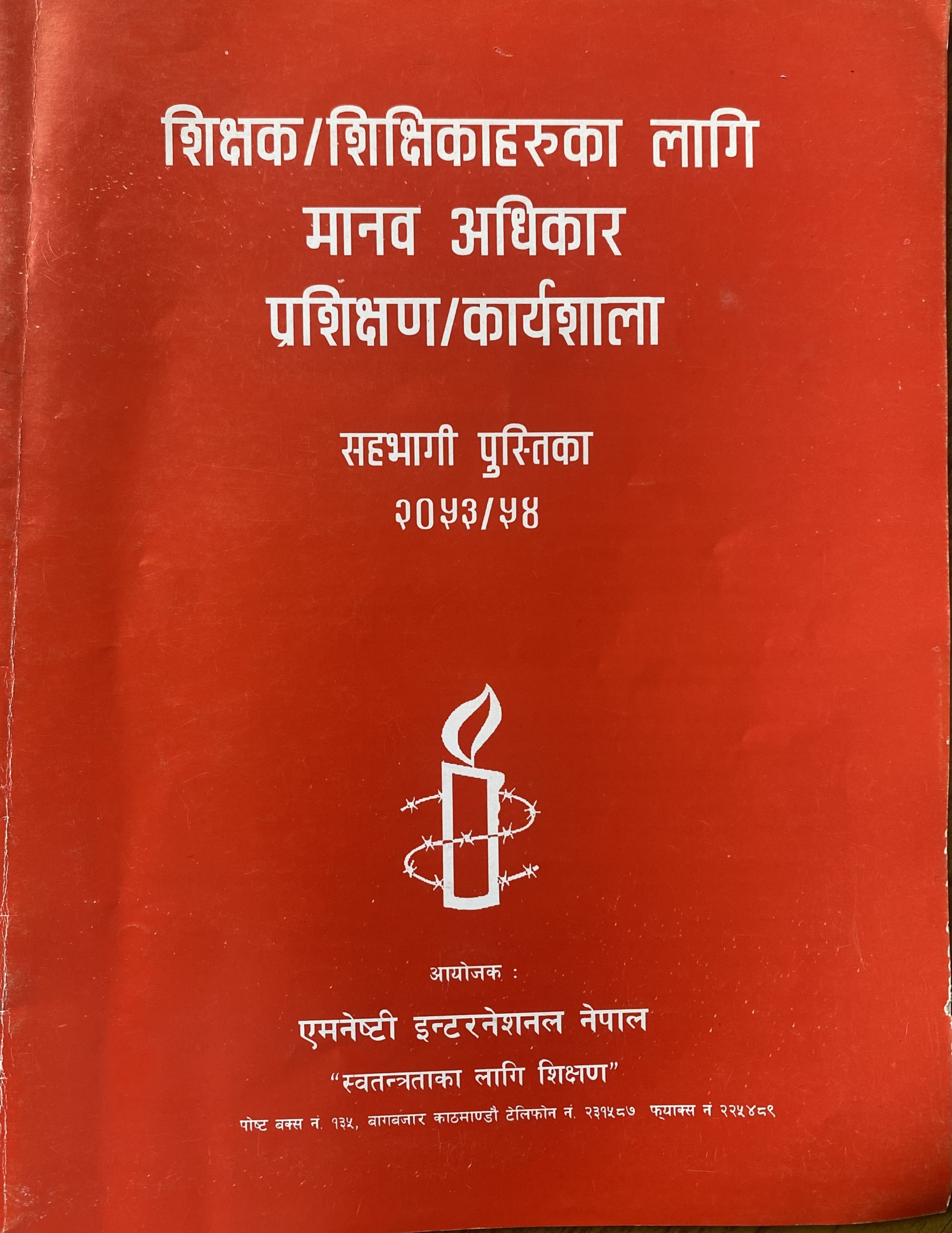
I joined Amnesty Nepal as an assistant for a three-year-long project called ‘Teaching for Freedom’. The project aimed at raising awareness about basic human rights among the people. It included human rights trainings for the people from all walks of life, including schoolteachers, women, young people, and police.
That time, Amnesty Nepal was the first organization for lobbying with the government to incorporate human rights education in formal curriculum. It’s good to see that the high school textbooks nowadays have some basic level human rights contents although they need upgrading.
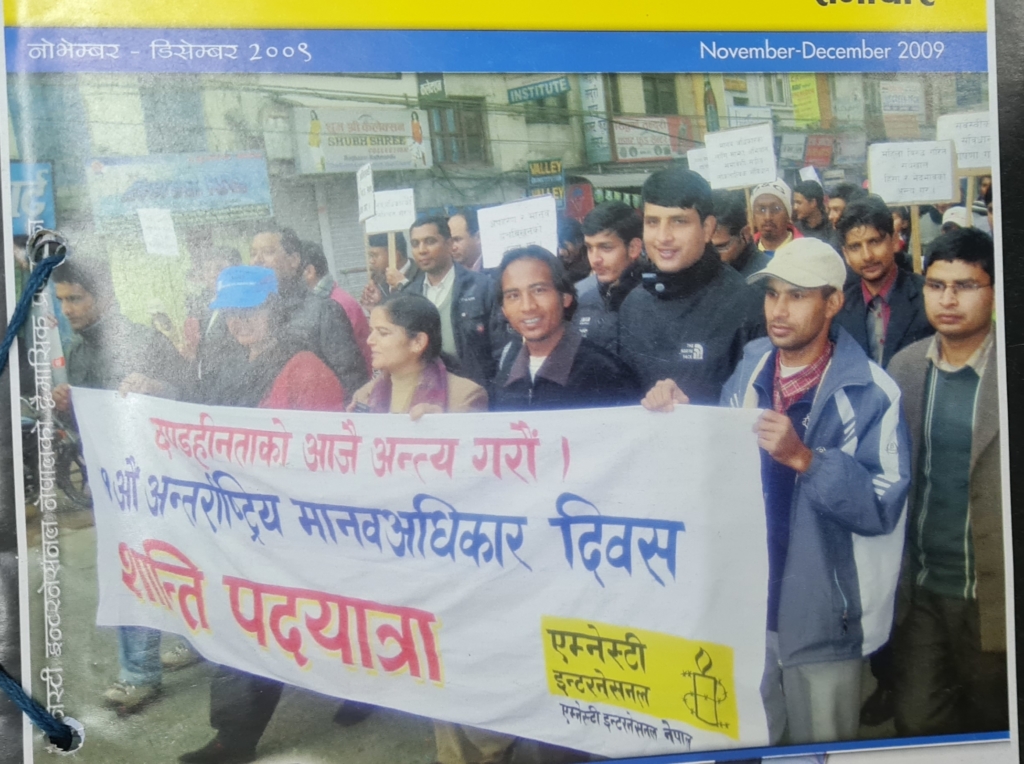
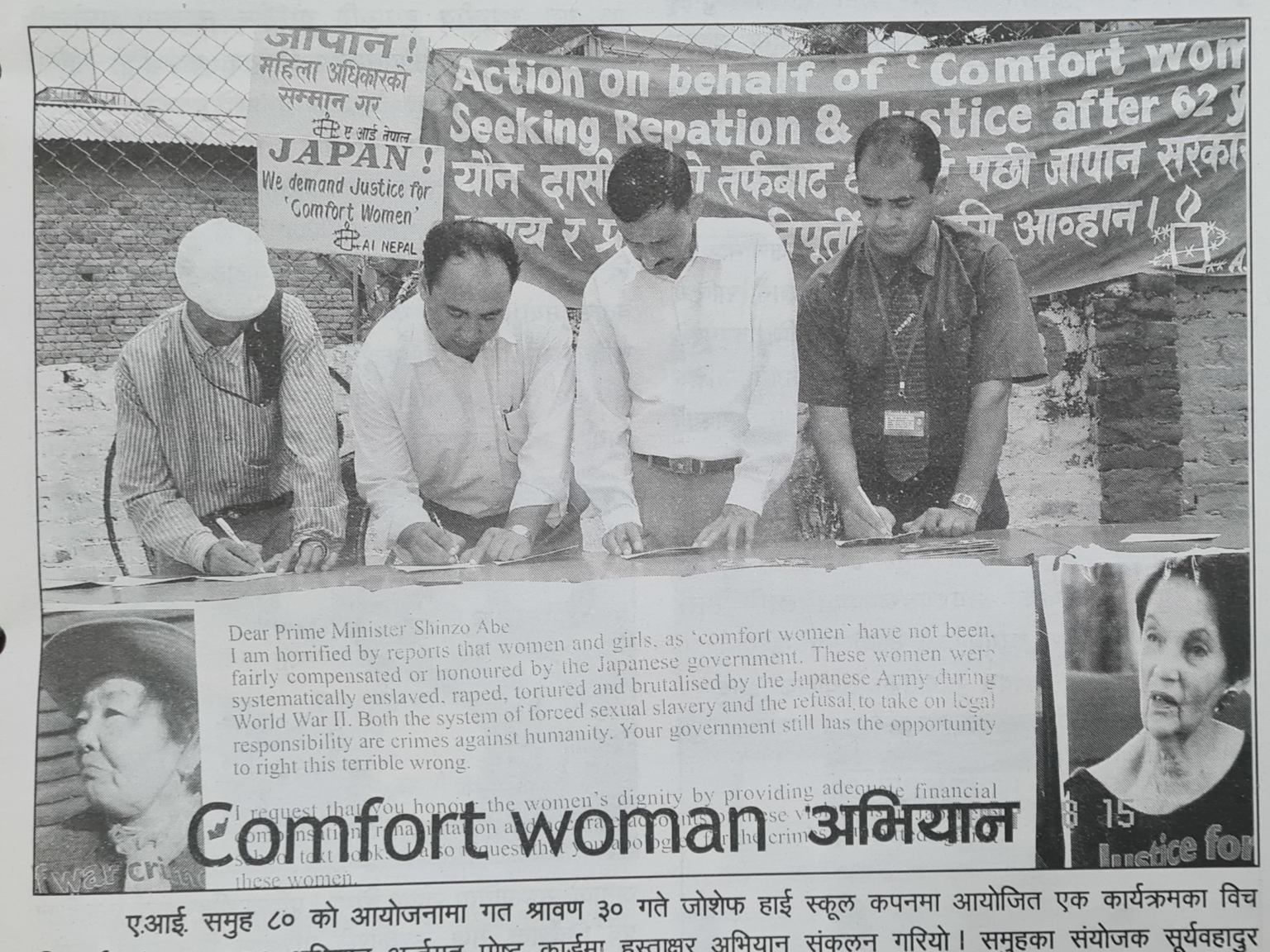
We were arrested many times while collecting petitions as a part of our different campaigns. With an objective to spread awareness among people about human rights, Amnesty Nepal performed street dramas and went on a Caravan, which was a journey from Mechi to Mahakali. The street dramas and the nationwide caravan were successful in bringing awareness about the rights of migrant workers and human rights to thousands of people.
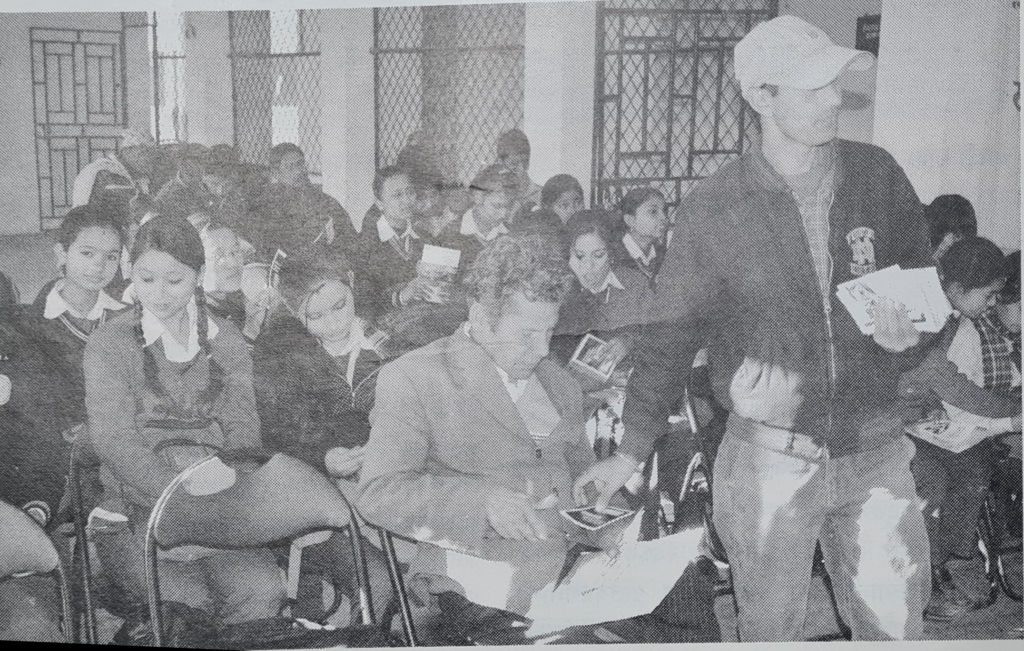
Another unforgettable programme with impact is the publication and dissemination of Campaign Newsletter. The Campaign Newsletter was printed out and distributed freely among the members and was sent to 2000 secondary schools across the country. The publication consisted of different contents related to human rights education, opinions, updates, and reports of the activities carried out by Amnesty and its affiliate groups. The students and teachers, who read the bulletin in the schools, informed us via letters and phone calls that it was informative and useful to them.
I worked for Amnesty Nepal in the capacity of a project assistant for three years, and an assistant for around a decade. In 2002, I was assigned a different role as the dispatch in-charge. I continued this job for one and a half decade. While I was working as the dispatch in-charge, I also assisted in managing the membership. After the membership officer left the organization in 2016, I took over the role of the membership in-charge.
Over two and a half decades of my employment with Amnesty Nepal, I have witnessed the organization enduring several ups and downs. On some occasions, I saw Amnesty Nepal very vibrant, on some other occasions, I saw it mired in different crises leading it to the brink of closure. Let’s keep the drawbacks aside. When compared to the past, Amnesty Nepal has now made great leaps. Currently, it has its own building constructed in its own land. I am hopeful that Amnesty Nepal will continue to reform, progress, and make impacts on the ground.
Amnesty Nepal continues to grow, tackling various obstacles. The membership of Amnesty Nepal was open for youth for the first time in 2006. After one year, youth networks constituting youth members were formed. In 2016, two youth members (one female and one male) joined the National Board.
Currently, Amnesty Nepal has three types of membership: Group, Youth Network, and Individual/supporter. As of now, there are 86 groups, four groups-in-formation, and 57 youth networks throughout the country. As of writing this blog, a total of 7,169 members are affiliated to Amnesty Nepal.
As the longest serving employee, I have witnessed a sea change in the governance of the organization with participation of a large number of representatives and youth members taking up the leadership roles in the recently held 30th general meeting. With the new changes institutionalized through the general meeting, and with prospective changes as we move ahead, I am confident that Amnesty Nepal will become more democratic and vibrant in the days to come.